Armenia Bets Its Future on Europe as Russia Turns the Screws
Stan Wawrinka
Bureau Chief, External Relations and Diplomacy
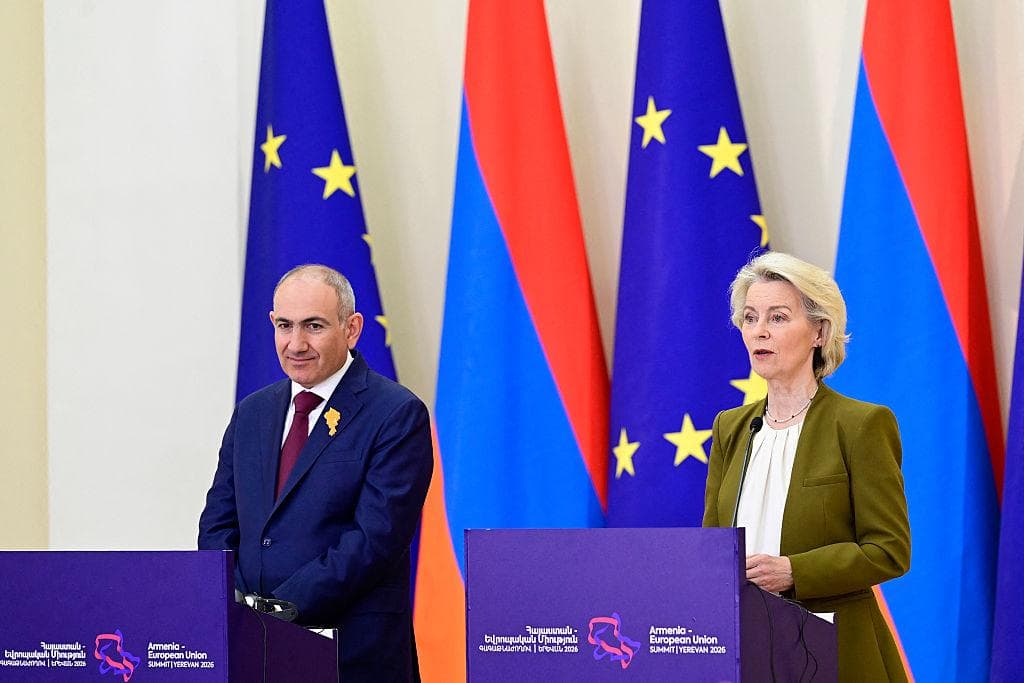
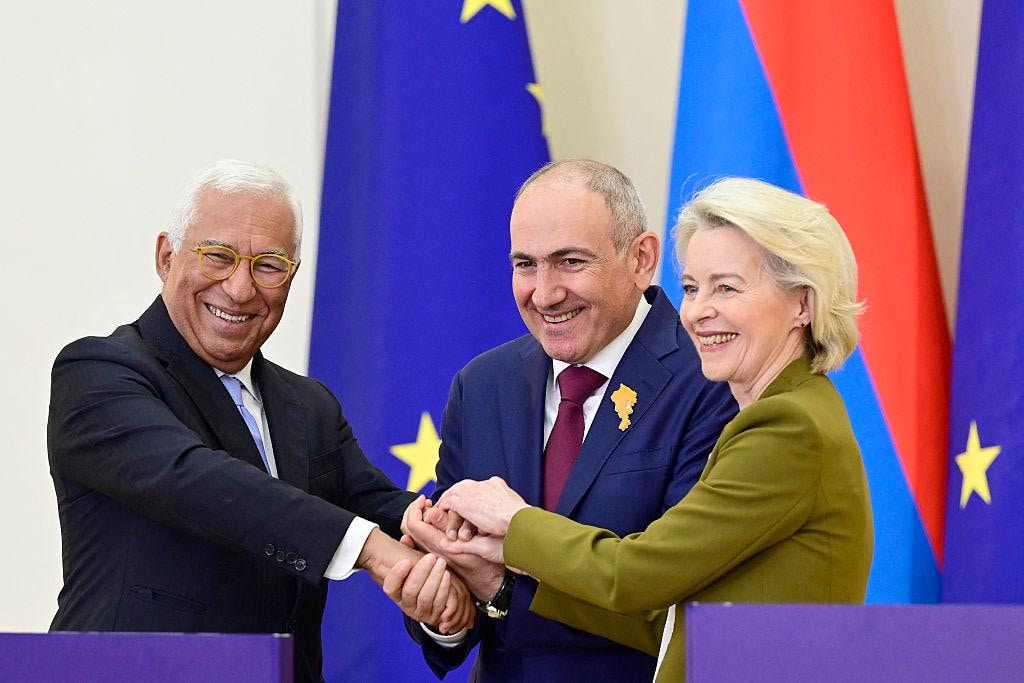
Yerevan: When Ursula von der Leyen stepped onto the tarmac in the Armenian capital on 2 July, the symbolism was hard to miss. A country that spent three decades inside Moscow’s security orbit was now hosting the president of the European Commission, and the package she brought with her spoke to how far the relationship has travelled. Brussels offered Autonomous Trade Measures that would strip tariffs from roughly four-fifths of Armenian exports to the single market, opening European shelves to almost all of the fruit, vegetables and plants that Armenian farmers once sent almost exclusively to Russia. More than nine in ten of the country’s beverage and spirit exports would gain the same duty-free access. The economics matter, but the politics matter more. Prime Minister Nikol Pashinyan has been steering his landlocked republic westward at some risk, and every step invites retaliation from a Kremlin that still controls much of Armenia’s energy supply and once guaranteed its defence. That vulnerability is precisely what the EU is trying to address. Von der Leyen promised European experts to help Yerevan diversify away from Russian energy imports, while Pashinyan pointed to new power lines with Azerbaijan and Turkey as part of a wider bid to break Armenia’s dependence on a single, increasingly hostile supplier. There is a deeper question buried in the trade figures. Redirecting perishable exports from Russian to European buyers is not a matter of signing a document. It requires cold chains, phytosanitary certification, logistics corridors and buyers willing to switch, none of which appear overnight. The Autonomous Trade Measures lower the tariff wall, but Armenian producers still have to climb over the practical barriers that decades of eastward orientation left in place. Brussels can open the door; it cannot walk the goods through it. Visa liberalisation is the other prize, and here Armenia occupies a singular position as the only country currently in an active process with the EU. Pashinyan set a 2029 target, contingent on reform, and von der Leyen confirmed an assessment mission this autumn. The pacing is telling. The EU has learned from earlier enlargements that visa-free travel granted too early, before institutions can bear the weight, breeds backlash on both sides. A slower timetable protects the credibility of the reward. What Yerevan cannot buy from Brussels is a hard security guarantee. The connectivity partnership signed in May deepened economic and security cooperation, but it stops well short of the mutual-defence promise that Russia once notionally provided. Armenia is trading a fraying old shield for a sturdier economic embrace, and betting that prosperity and Western alignment will prove a better deterrent than treaties Moscow ignored anyway. It is a plausible bet. It is also an exposed one, and the coming winter, when energy leverage bites hardest, will test how much the European embrace is really worth.