August 9, 2026
LATEST
New EU Gas Market Rules Take Effect With Consumer SafeguardsDeforestation Regulation Holds Its December Deadline Despite CutsDigital Omnibus Delays Europe’s High-Risk AI Deadline to 2027Europe’s Schools Confront a Widening Basic Skills GapRule of Law Report Finds Progress but Trust Still LagsIRIS2 Gains 66 Satellites as Brussels Signs the Rollout DealNature Restoration Plans Come Due as Member States Race a DeadlineECB Rates Hold at 2.25 Percent as Frankfurt Waits on the DataEU Budget Talks Turn to Cohesion as Ireland Takes OverWildfire Response Stretches Europe’s Emergency Fleet ThinCan Europe’s Quantum Plan Match Its Big Ambitions?Armenia Edges West as Moscow’s Grip Slips AwayEurope Inherits the World’s Aid Bill It Cannot Fully PayAir Passenger Rights Get Their First Overhaul in Two DecadesErasmus Opens a 5 Billion Euro Round for Skills and MobilityCeuta Crisis Pushes the EU Toward Faster Migrant ReturnsBulky Parcels Face a Packaging Crackdown From August 12Can Europe Build Its Drone Wall Before 2030 Arrives?Indonesia’s Trade Deal With Europe Nears Its Final SignatureEurope Leans on Beijing to Keep Climate Talks Alive Before AntalyaNew EU Gas Market Rules Take Effect With Consumer SafeguardsDeforestation Regulation Holds Its December Deadline Despite CutsDigital Omnibus Delays Europe’s High-Risk AI Deadline to 2027Europe’s Schools Confront a Widening Basic Skills GapRule of Law Report Finds Progress but Trust Still LagsIRIS2 Gains 66 Satellites as Brussels Signs the Rollout DealNature Restoration Plans Come Due as Member States Race a DeadlineECB Rates Hold at 2.25 Percent as Frankfurt Waits on the DataEU Budget Talks Turn to Cohesion as Ireland Takes OverWildfire Response Stretches Europe’s Emergency Fleet ThinCan Europe’s Quantum Plan Match Its Big Ambitions?Armenia Edges West as Moscow’s Grip Slips AwayEurope Inherits the World’s Aid Bill It Cannot Fully PayAir Passenger Rights Get Their First Overhaul in Two DecadesErasmus Opens a 5 Billion Euro Round for Skills and MobilityCeuta Crisis Pushes the EU Toward Faster Migrant ReturnsBulky Parcels Face a Packaging Crackdown From August 12Can Europe Build Its Drone Wall Before 2030 Arrives?Indonesia’s Trade Deal With Europe Nears Its Final SignatureEurope Leans on Beijing to Keep Climate Talks Alive Before Antalya
August 9, 2026
LATEST
New EU Gas Market Rules Take Effect With Consumer SafeguardsDeforestation Regulation Holds Its December Deadline Despite CutsDigital Omnibus Delays Europe’s High-Risk AI Deadline to 2027Europe’s Schools Confront a Widening Basic Skills GapRule of Law Report Finds Progress but Trust Still LagsIRIS2 Gains 66 Satellites as Brussels Signs the Rollout DealNature Restoration Plans Come Due as Member States Race a DeadlineECB Rates Hold at 2.25 Percent as Frankfurt Waits on the DataEU Budget Talks Turn to Cohesion as Ireland Takes OverWildfire Response Stretches Europe’s Emergency Fleet ThinCan Europe’s Quantum Plan Match Its Big Ambitions?Armenia Edges West as Moscow’s Grip Slips AwayEurope Inherits the World’s Aid Bill It Cannot Fully PayAir Passenger Rights Get Their First Overhaul in Two DecadesErasmus Opens a 5 Billion Euro Round for Skills and MobilityCeuta Crisis Pushes the EU Toward Faster Migrant ReturnsBulky Parcels Face a Packaging Crackdown From August 12Can Europe Build Its Drone Wall Before 2030 Arrives?Indonesia’s Trade Deal With Europe Nears Its Final SignatureEurope Leans on Beijing to Keep Climate Talks Alive Before AntalyaNew EU Gas Market Rules Take Effect With Consumer SafeguardsDeforestation Regulation Holds Its December Deadline Despite CutsDigital Omnibus Delays Europe’s High-Risk AI Deadline to 2027Europe’s Schools Confront a Widening Basic Skills GapRule of Law Report Finds Progress but Trust Still LagsIRIS2 Gains 66 Satellites as Brussels Signs the Rollout DealNature Restoration Plans Come Due as Member States Race a DeadlineECB Rates Hold at 2.25 Percent as Frankfurt Waits on the DataEU Budget Talks Turn to Cohesion as Ireland Takes OverWildfire Response Stretches Europe’s Emergency Fleet ThinCan Europe’s Quantum Plan Match Its Big Ambitions?Armenia Edges West as Moscow’s Grip Slips AwayEurope Inherits the World’s Aid Bill It Cannot Fully PayAir Passenger Rights Get Their First Overhaul in Two DecadesErasmus Opens a 5 Billion Euro Round for Skills and MobilityCeuta Crisis Pushes the EU Toward Faster Migrant ReturnsBulky Parcels Face a Packaging Crackdown From August 12Can Europe Build Its Drone Wall Before 2030 Arrives?Indonesia’s Trade Deal With Europe Nears Its Final SignatureEurope Leans on Beijing to Keep Climate Talks Alive Before Antalya

Brussels and Tokyo Deepen Defence and Supply-Chain Cooperation

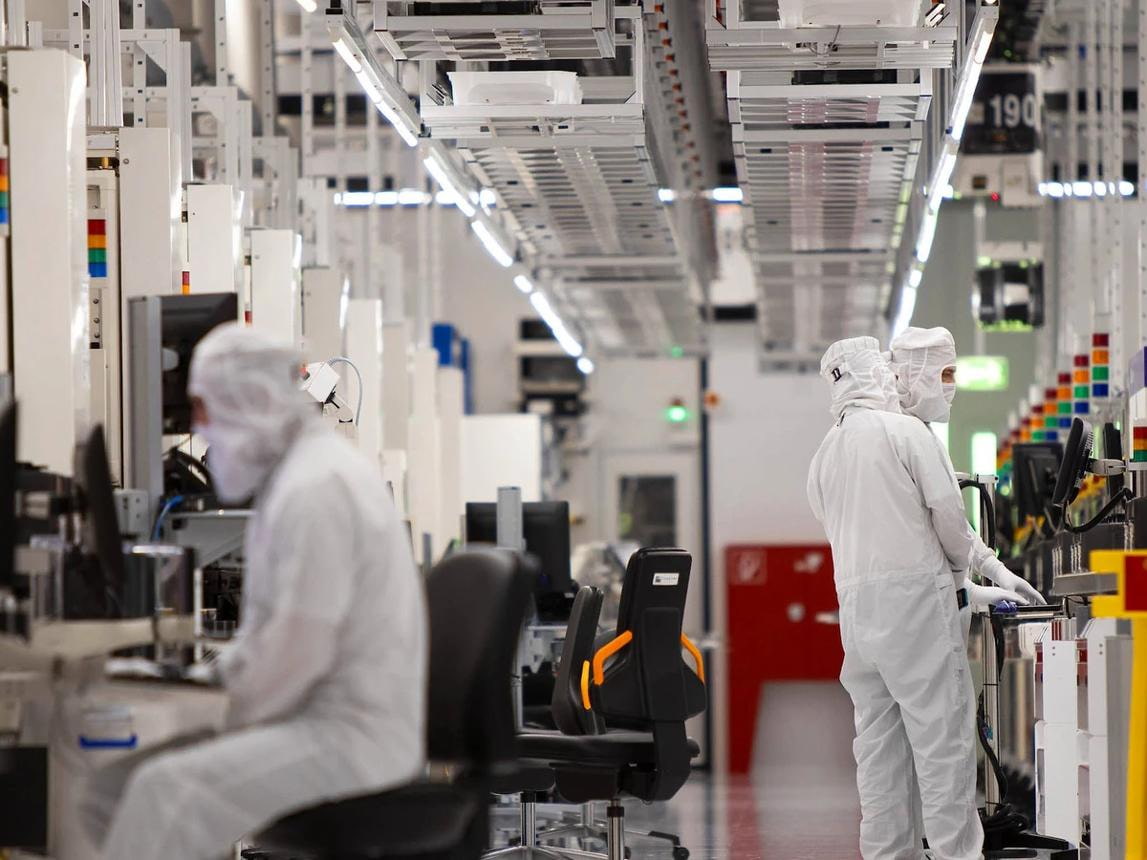
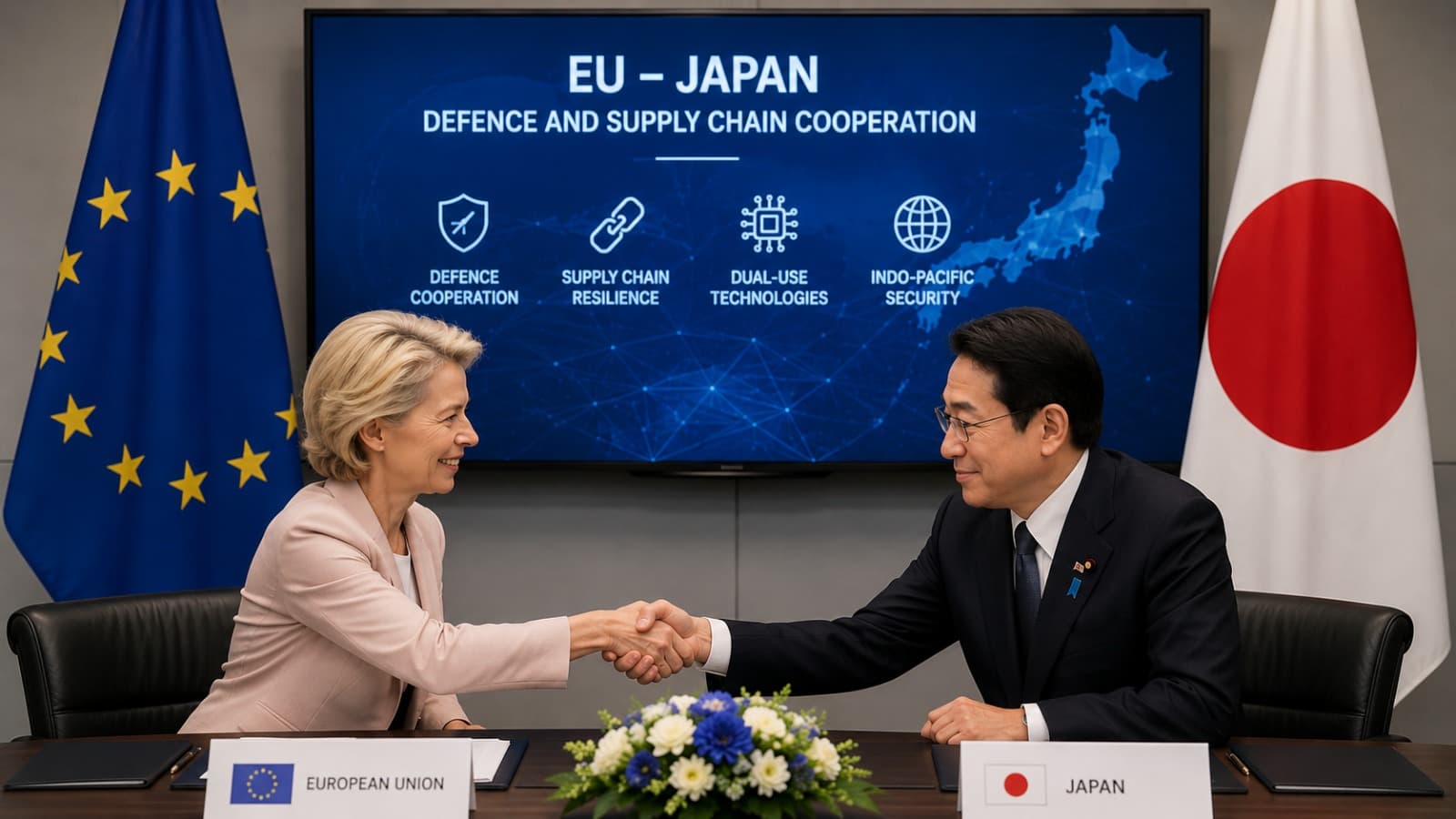
Brussels: The seventh High-Level Economic Dialogue between the European Union and Japan, held in Brussels in early May, concluded with an unusually detailed declaration of intent that points to a strategic partnership entering a more operational phase. The two sides agreed to deepen cooperation across critical minerals, batteries, clean energy, hydrogen, offshore wind, robotics, biotechnology, defence industries and the space sector. What might once have read as a generic communique carries fresh weight in 2026, because the agenda now overlaps directly with concrete instruments on both sides, including the EU Critical Raw Materials Act, Japan’s revised Economic Security Promotion Act and the new bilateral Competitiveness Alliance established at the 2025 summit.

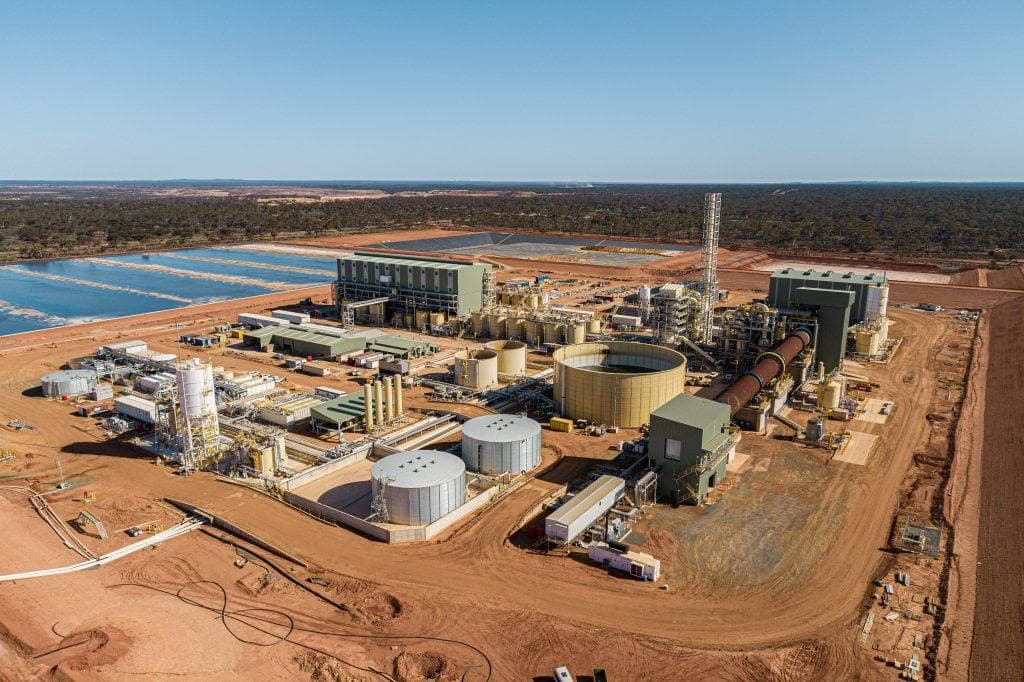
Critical raw materials sit at the centre of the conversation. European officials have grown increasingly uneasy about concentrated dependence on a single country for the inputs that power electric vehicles, wind turbines and semiconductor manufacturing. Japanese authorities, who lived through the 2010 rare-earths episode with painful clarity, see in Europe a partner with comparable concerns and complementary industrial capacities. The dialogue tasked working groups with mapping joint stockpiling possibilities, coordinated investment in third-country processing capacity, and shared technical standards designed to lower compliance costs for firms operating across both markets.

The defence dimension of the relationship has advanced even more rapidly. On 17 April, Brussels and Tokyo convened the first meeting of the EU-Japan Defence Industry Dialogue, an institutional channel that would have been politically inconceivable a decade ago. Japan’s late-2025 application to participate in the Union’s 150 billion euro Security Action for Europe facility transformed the partnership into one with potential industrial substance. Prime Minister Sanae Takaichi, whose coalition emerged from the February snap election with a commanding majority, has committed Tokyo to reach two percent of gross domestic product in defence spending by fiscal 2025, two years ahead of the original schedule. Her government has also accelerated the planned liberalisation of arms-export controls, signalling that Japanese contractors are preparing to operate as direct stakeholders in European capability programmes rather than as distant observers.

Behind the declarations lies a shared diagnosis. Both Brussels and Tokyo have concluded that the international economic order can no longer be assumed to function on autopilot, and that strategic sectors require active stewardship to avoid being weaponised. Officials on both sides invoke the language of economic security, coercion resilience and supply-chain trust, vocabulary that until recently sat awkwardly within the open-market traditions of either polity. The shift reflects accumulating evidence that critical inputs can become instruments of leverage and that diversification, while costly, is the price of strategic autonomy.

There are limits. The Union and Japan disagree on the pace of decarbonisation timelines for parts of the steel and chemical sectors, and Japanese exporters remain wary of European carbon-border instruments that could complicate access. Differences over digital regulation, particularly the application of the Digital Markets Act to certain Japanese platforms, will require quiet diplomacy rather than fanfare. Neither side has illusions that converging interests will erase decades of structural divergence between two very different economic models.

Even so, the trajectory is unmistakable. The partnership has moved from values-based declarations to a denser network of working groups, joint procurement explorations, defence-industrial conversations and coordinated supply-chain strategies. For Brussels, Japan is increasingly the partner whose interests align most closely with its own across the broadest range of files. For Tokyo, the Union offers regulatory weight, market access and a counterweight to a turbulent transatlantic relationship. The seventh High-Level Economic Dialogue did not deliver headline-grabbing breakthroughs, but it confirmed that the architecture of the partnership is being quietly rebuilt for an era in which strategic competition is the constant rather than the exception.