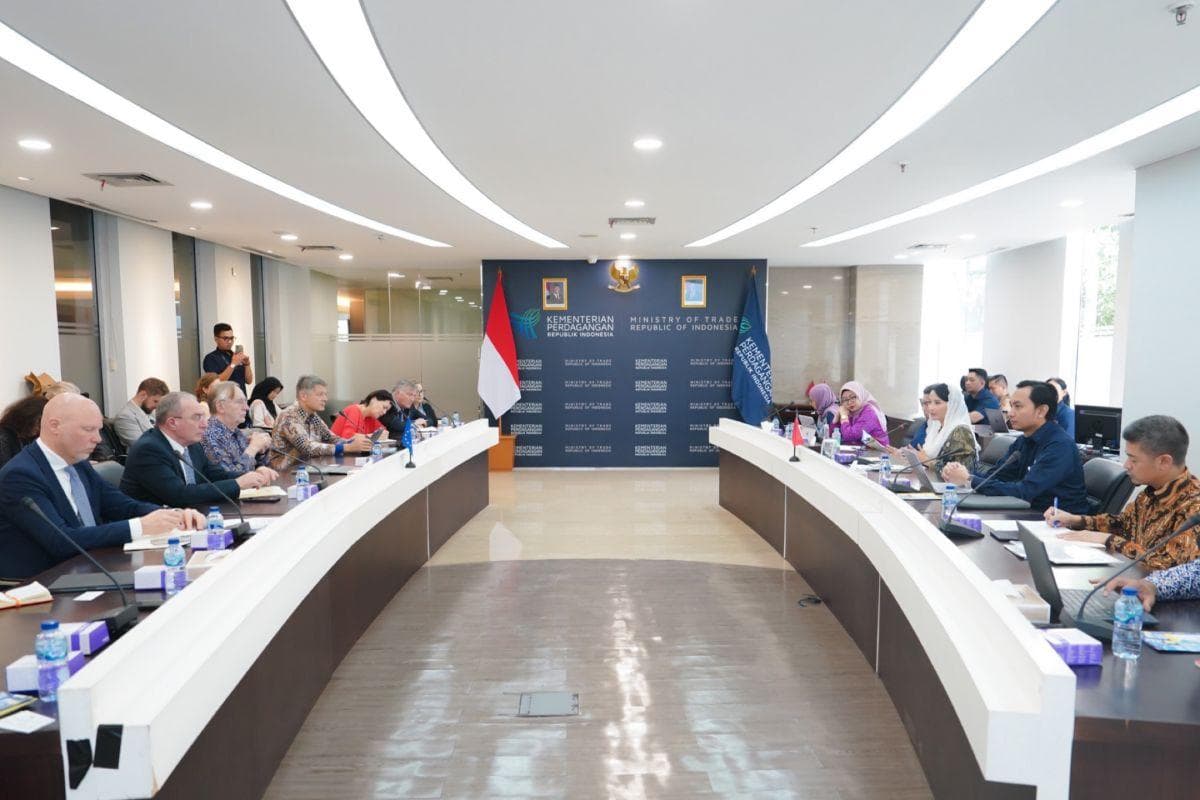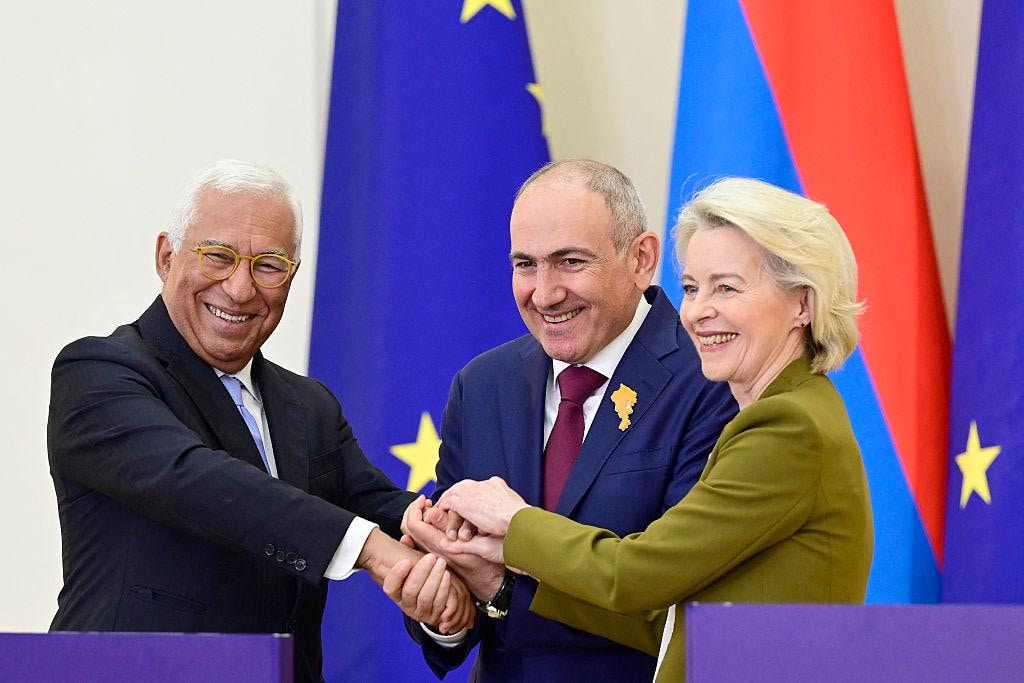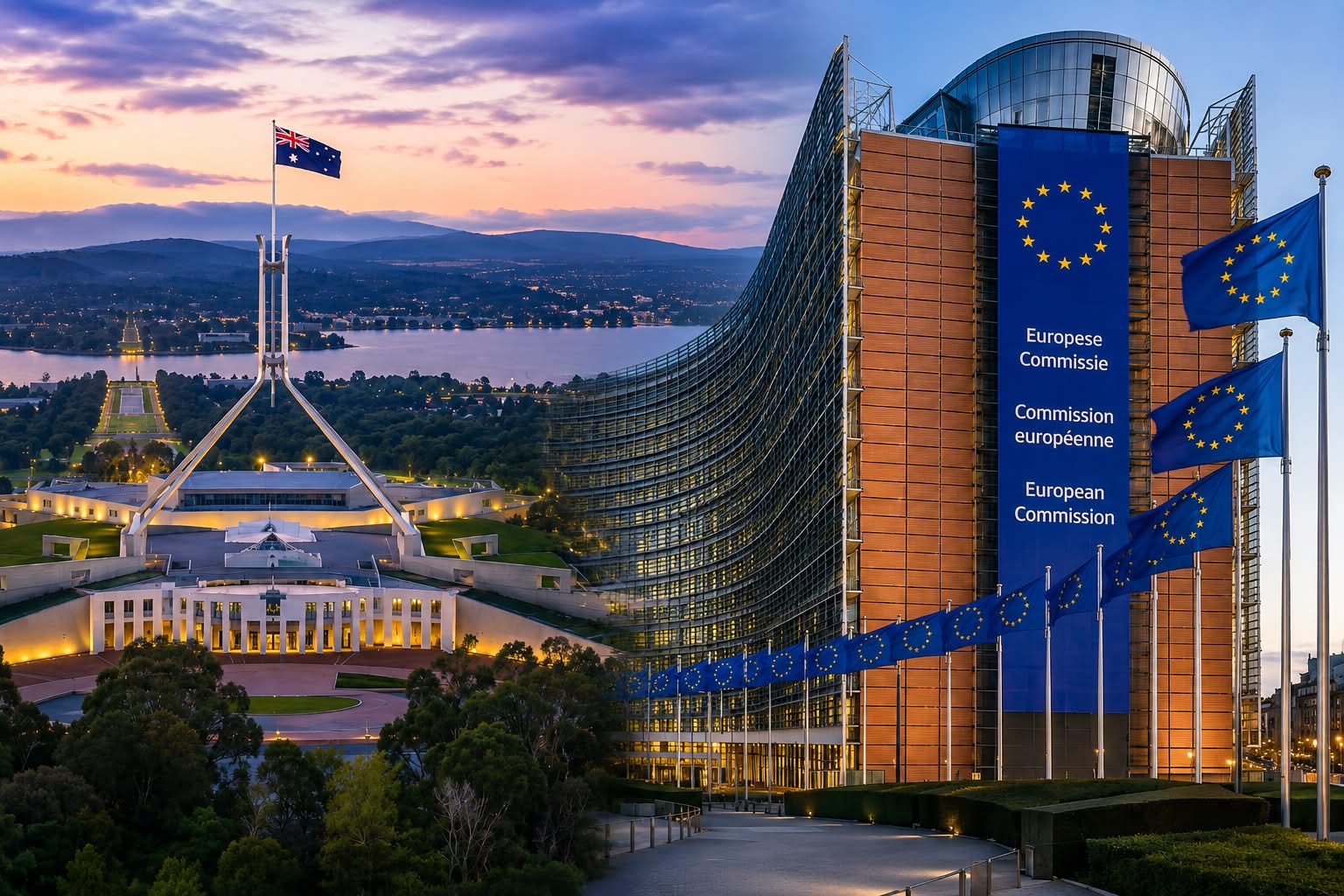
Canberra: After nine years of intermittent negotiation, false starts, and one collapsed deal in 2023, the European Union and Australia have concluded a free trade agreement and signed a parallel Security and Defence Partnership, closing a chapter in Brussels’ Indo-Pacific outreach that had become an embarrassment by length of negotiation alone. The agreement, finalised in March between Prime Minister Anthony Albanese and Commission President Ursula von der Leyen, is the latest installment in a sequence that has also produced trade arrangements with Indonesia and India over the past nine months.
The structure of the deal reflects lessons learned from the 2023 breakdown, when Australian negotiators walked away over insufficient access to European markets for Australian beef, lamb, and dairy. The revised text offers expanded tariff-rate quotas for sensitive agricultural exports, calibrated to phase in over fifteen years to protect European producers from sudden displacement. In exchange, Australia opens its market to European industrial exports across machinery, chemicals, transport equipment, and high-value goods. Commission estimates suggest European exporters will save roughly one billion euros annually in duty payments once the agreement is fully implemented.
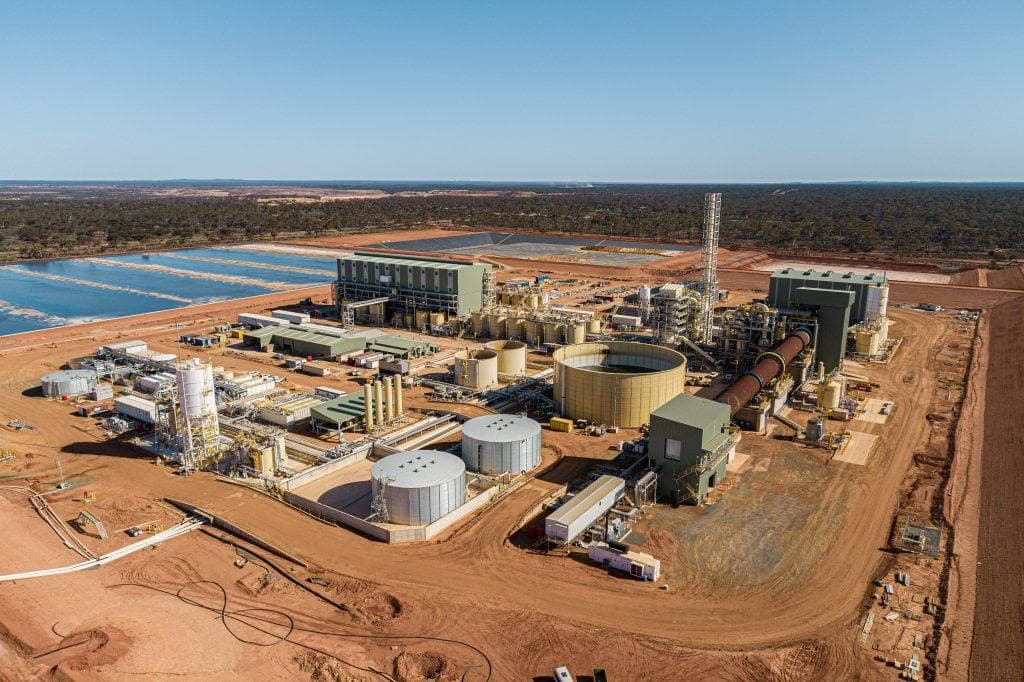
Beyond tariffs, the agreement opens preferential access to Australian critical raw materials, including lithium, manganese, and aluminium. For European battery and electric vehicle manufacturers, the provisions matter strategically rather than commercially in the immediate term, as they reduce dependence on Chinese-processed materials that currently dominate global supply. Australian producers gain a politically aligned customer base that is also commercially differentiated, escaping the price-taker dynamics that have constrained Australian raw-materials revenue when negotiating with Chinese buyers.
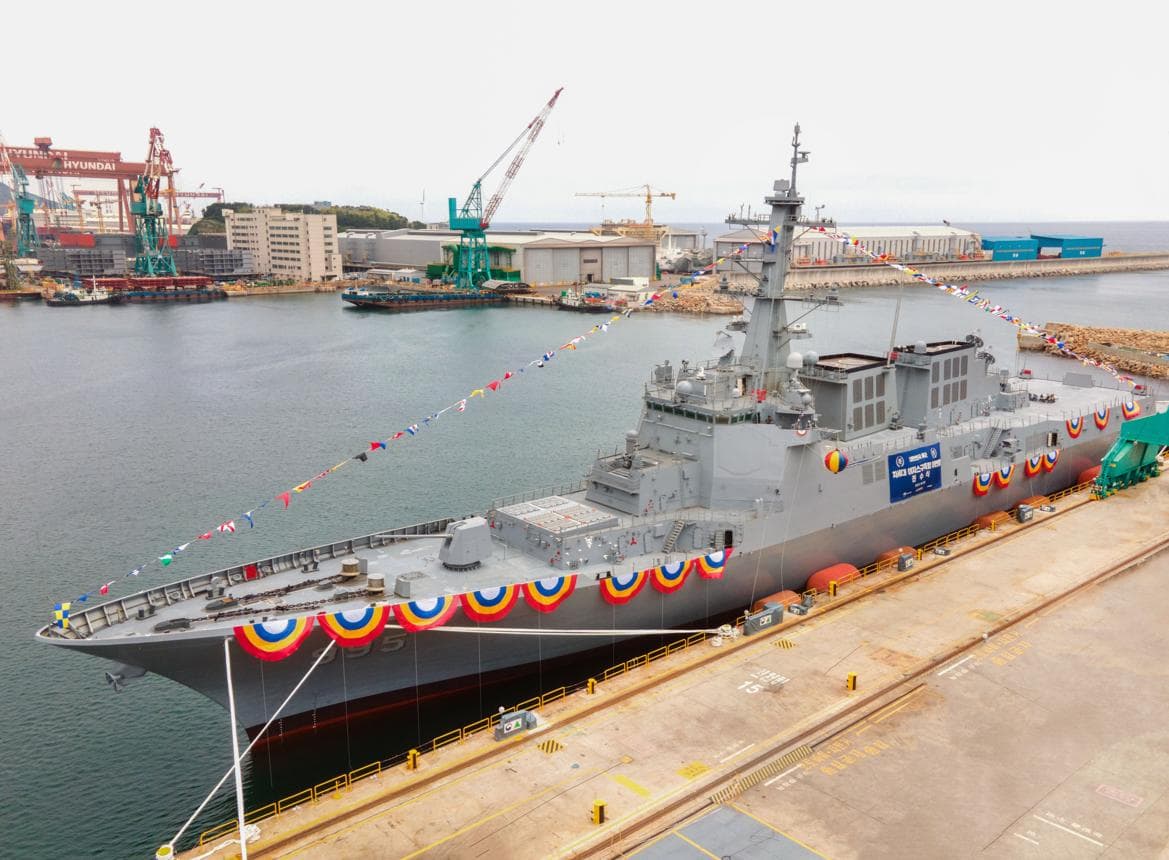
The parallel Security and Defence Partnership is the development most likely to alter the geometry of European engagement in the Indo-Pacific. Its provisions cover maritime security cooperation, defence industrial collaboration, and intelligence-sharing arrangements that go well beyond what either Brussels or Canberra has previously contemplated outside the AUKUS framework. Australian participation in selected European Defence Fund projects is on the table, as is European involvement in regional maritime exercises that have historically been the preserve of American, British, and Japanese partners.
What the partnership does not do is replace Australia’s existing security architecture. AUKUS, the Five Eyes intelligence partnership, and bilateral commitments to the United States and Japan remain the spine of Canberra’s external defence posture. The EU partnership operates as a diversification layer, providing additional capability and political support in a region where Australian strategists privately worry about American consistency.
For Brussels, the deal completes a pattern of strategic alignment that has been building since the 2021 Indo-Pacific Strategy. With agreements in place across Indonesia, India, Australia, and active negotiations with the Philippines and Thailand, the EU now possesses a network of regional partnerships that, while shallower than American or Chinese alliances, gives it meaningful presence in a theatre where it has historically been peripheral. Whether the network translates into actual influence will depend on Brussels’ capacity to follow through with diplomatic, regulatory, and security investments commensurate with the rhetoric.
The Australian agreement also carries a symbolic weight that European diplomats are at pains to emphasise. After years in which the EU’s trade agenda was associated with stalled or failed negotiations, the run of successful Indo-Pacific outcomes provides domestic political validation for trade liberalisation that Brussels had been struggling to defend at home. For both sides, this is more than commerce. It is proof that the multilateral, rules-based model still has signatories willing to commit.