August 9, 2026
LATEST
New EU Gas Market Rules Take Effect With Consumer SafeguardsDeforestation Regulation Holds Its December Deadline Despite CutsDigital Omnibus Delays Europe’s High-Risk AI Deadline to 2027Europe’s Schools Confront a Widening Basic Skills GapRule of Law Report Finds Progress but Trust Still LagsIRIS2 Gains 66 Satellites as Brussels Signs the Rollout DealNature Restoration Plans Come Due as Member States Race a DeadlineECB Rates Hold at 2.25 Percent as Frankfurt Waits on the DataEU Budget Talks Turn to Cohesion as Ireland Takes OverWildfire Response Stretches Europe’s Emergency Fleet ThinCan Europe’s Quantum Plan Match Its Big Ambitions?Armenia Edges West as Moscow’s Grip Slips AwayEurope Inherits the World’s Aid Bill It Cannot Fully PayAir Passenger Rights Get Their First Overhaul in Two DecadesErasmus Opens a 5 Billion Euro Round for Skills and MobilityCeuta Crisis Pushes the EU Toward Faster Migrant ReturnsBulky Parcels Face a Packaging Crackdown From August 12Can Europe Build Its Drone Wall Before 2030 Arrives?Indonesia’s Trade Deal With Europe Nears Its Final SignatureEurope Leans on Beijing to Keep Climate Talks Alive Before AntalyaNew EU Gas Market Rules Take Effect With Consumer SafeguardsDeforestation Regulation Holds Its December Deadline Despite CutsDigital Omnibus Delays Europe’s High-Risk AI Deadline to 2027Europe’s Schools Confront a Widening Basic Skills GapRule of Law Report Finds Progress but Trust Still LagsIRIS2 Gains 66 Satellites as Brussels Signs the Rollout DealNature Restoration Plans Come Due as Member States Race a DeadlineECB Rates Hold at 2.25 Percent as Frankfurt Waits on the DataEU Budget Talks Turn to Cohesion as Ireland Takes OverWildfire Response Stretches Europe’s Emergency Fleet ThinCan Europe’s Quantum Plan Match Its Big Ambitions?Armenia Edges West as Moscow’s Grip Slips AwayEurope Inherits the World’s Aid Bill It Cannot Fully PayAir Passenger Rights Get Their First Overhaul in Two DecadesErasmus Opens a 5 Billion Euro Round for Skills and MobilityCeuta Crisis Pushes the EU Toward Faster Migrant ReturnsBulky Parcels Face a Packaging Crackdown From August 12Can Europe Build Its Drone Wall Before 2030 Arrives?Indonesia’s Trade Deal With Europe Nears Its Final SignatureEurope Leans on Beijing to Keep Climate Talks Alive Before Antalya
August 9, 2026
LATEST
New EU Gas Market Rules Take Effect With Consumer SafeguardsDeforestation Regulation Holds Its December Deadline Despite CutsDigital Omnibus Delays Europe’s High-Risk AI Deadline to 2027Europe’s Schools Confront a Widening Basic Skills GapRule of Law Report Finds Progress but Trust Still LagsIRIS2 Gains 66 Satellites as Brussels Signs the Rollout DealNature Restoration Plans Come Due as Member States Race a DeadlineECB Rates Hold at 2.25 Percent as Frankfurt Waits on the DataEU Budget Talks Turn to Cohesion as Ireland Takes OverWildfire Response Stretches Europe’s Emergency Fleet ThinCan Europe’s Quantum Plan Match Its Big Ambitions?Armenia Edges West as Moscow’s Grip Slips AwayEurope Inherits the World’s Aid Bill It Cannot Fully PayAir Passenger Rights Get Their First Overhaul in Two DecadesErasmus Opens a 5 Billion Euro Round for Skills and MobilityCeuta Crisis Pushes the EU Toward Faster Migrant ReturnsBulky Parcels Face a Packaging Crackdown From August 12Can Europe Build Its Drone Wall Before 2030 Arrives?Indonesia’s Trade Deal With Europe Nears Its Final SignatureEurope Leans on Beijing to Keep Climate Talks Alive Before AntalyaNew EU Gas Market Rules Take Effect With Consumer SafeguardsDeforestation Regulation Holds Its December Deadline Despite CutsDigital Omnibus Delays Europe’s High-Risk AI Deadline to 2027Europe’s Schools Confront a Widening Basic Skills GapRule of Law Report Finds Progress but Trust Still LagsIRIS2 Gains 66 Satellites as Brussels Signs the Rollout DealNature Restoration Plans Come Due as Member States Race a DeadlineECB Rates Hold at 2.25 Percent as Frankfurt Waits on the DataEU Budget Talks Turn to Cohesion as Ireland Takes OverWildfire Response Stretches Europe’s Emergency Fleet ThinCan Europe’s Quantum Plan Match Its Big Ambitions?Armenia Edges West as Moscow’s Grip Slips AwayEurope Inherits the World’s Aid Bill It Cannot Fully PayAir Passenger Rights Get Their First Overhaul in Two DecadesErasmus Opens a 5 Billion Euro Round for Skills and MobilityCeuta Crisis Pushes the EU Toward Faster Migrant ReturnsBulky Parcels Face a Packaging Crackdown From August 12Can Europe Build Its Drone Wall Before 2030 Arrives?Indonesia’s Trade Deal With Europe Nears Its Final SignatureEurope Leans on Beijing to Keep Climate Talks Alive Before Antalya

Japan Bids To Join Europe’s €150 Billion Defence Fund

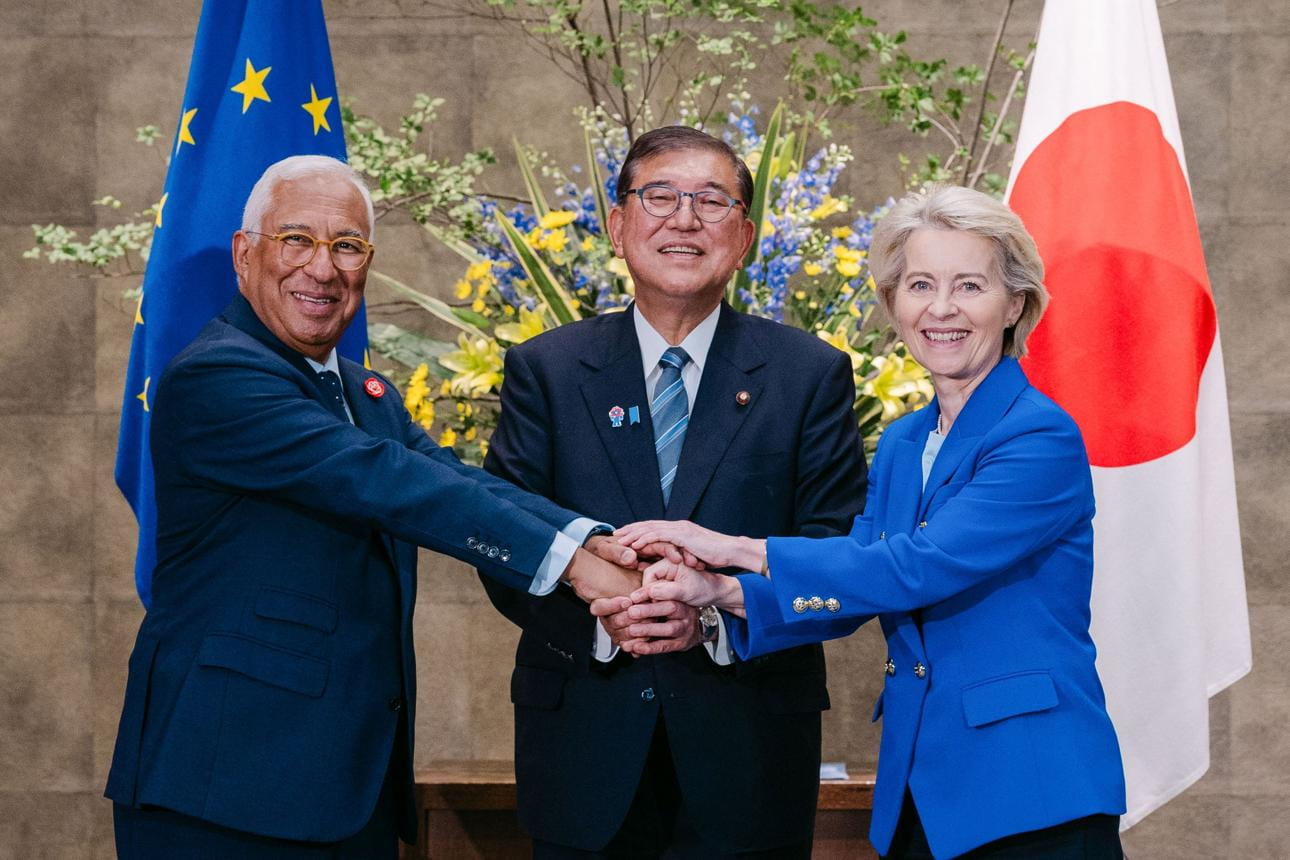
Tokyo: When the European Union assembled SAFE, its €150 billion instrument for joint defence procurement, the working assumption in Brussels was that the loans would circulate among Europeans and reinforce a continental industrial base long starved of orders. Japan’s formal application to take part complicates that tidy picture, and in the most instructive way. A country with no territory in Europe, no membership prospect and a constitution that still nominally renounces war is now asking to plug into the largest defence-financing mechanism the bloc has ever built.

The legal door was opened quietly in 2024, when Tokyo and the EU signed a Security and Defence Partnership. That text made Japan eligible, in principle, to join common procurement alongside other partners such as the United Kingdom, Norway and Canada. SAFE itself entered into force in May 2025 and began disbursing to member states early this year, so Japan is not knocking on a theoretical door. It is asking for a share of money already flowing, in capability areas where Japanese firms are genuinely competitive: air and missile defence, electronic warfare, military mobility, cyber and the protection of space assets.

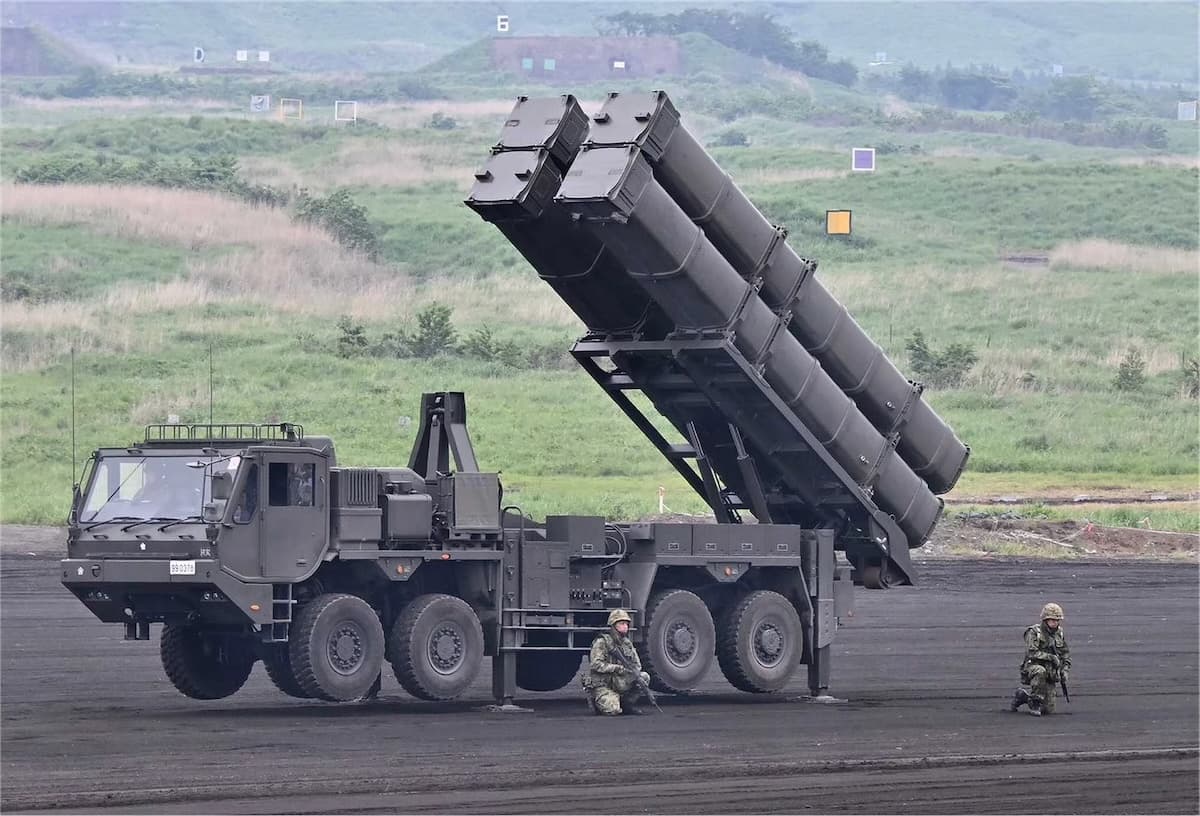
The strategic logic is easier to grasp than the industrial politics. Prime Minister Sanae Takaichi’s government, handed a commanding parliamentary majority in February, has accelerated defence spending and loosened export controls with a speed that would have been unthinkable a decade ago. For Tokyo, association with SAFE is less about the euros than about embedding Japan inside European supply chains before the next crisis forces improvisation. For Brussels, a partner that can supply sensors, propellants and shipbuilding capacity offers insurance against a single point of failure across the Eurasian landmass.

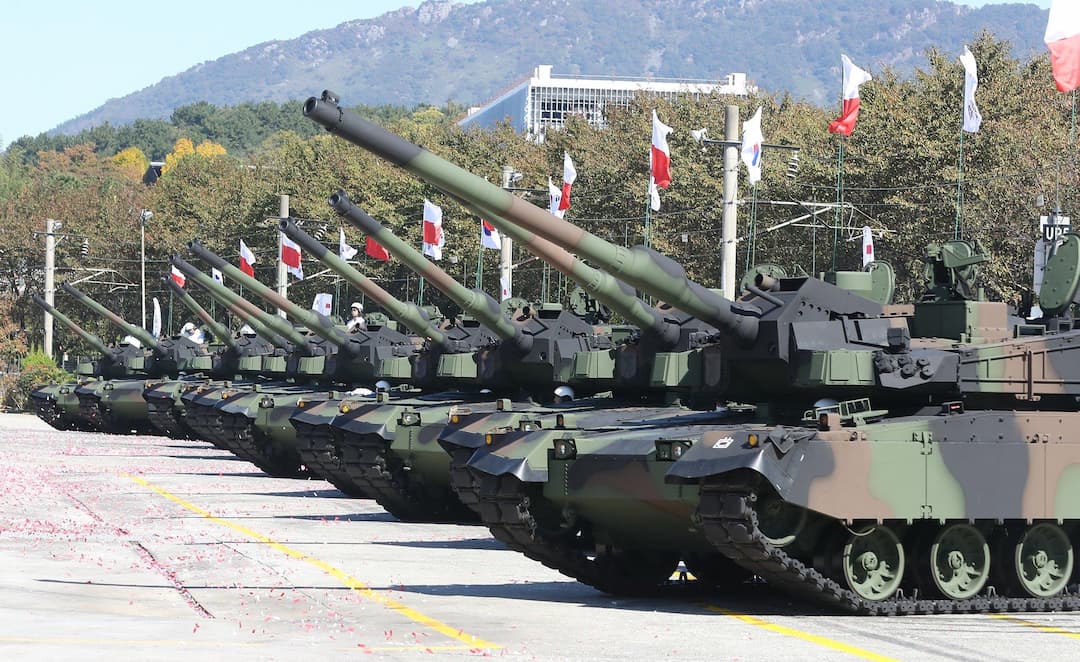
Yet the friction is real, and it sits at the heart of what SAFE was meant to be. The instrument was sold to European parliamentarians partly as a way to keep public money inside the Union and rebuild sovereign capacity. Every third country admitted dilutes that promise, and the content rules that cap non-European components were written precisely to police it. Japan will discover that the question is not whether it is welcome in the abstract, but how much of any given contract its companies may actually fill. South Korea and Turkey are pressing the same case, and each new entrant sharpens the contradiction between openness and protection.

There is a deeper point that Europe should not miss. By treating SAFE as a club worth joining, Indo-Pacific powers are validating the EU as a security actor rather than a mere market. That is a status Brussels has chased for years and rarely earned. The risk is that the Union banks the prestige while ducking the hard choices about industrial access that give the prestige meaning. If Japan’s bid is handled as a favour to be rationed, it will read in Tokyo as confirmation that European solidarity stops at the water’s edge. Handled as a genuine widening of the supplier base, it could turn a financing scheme into the spine of a transcontinental deterrent. The negotiation now beginning will reveal which Europe is in the room.