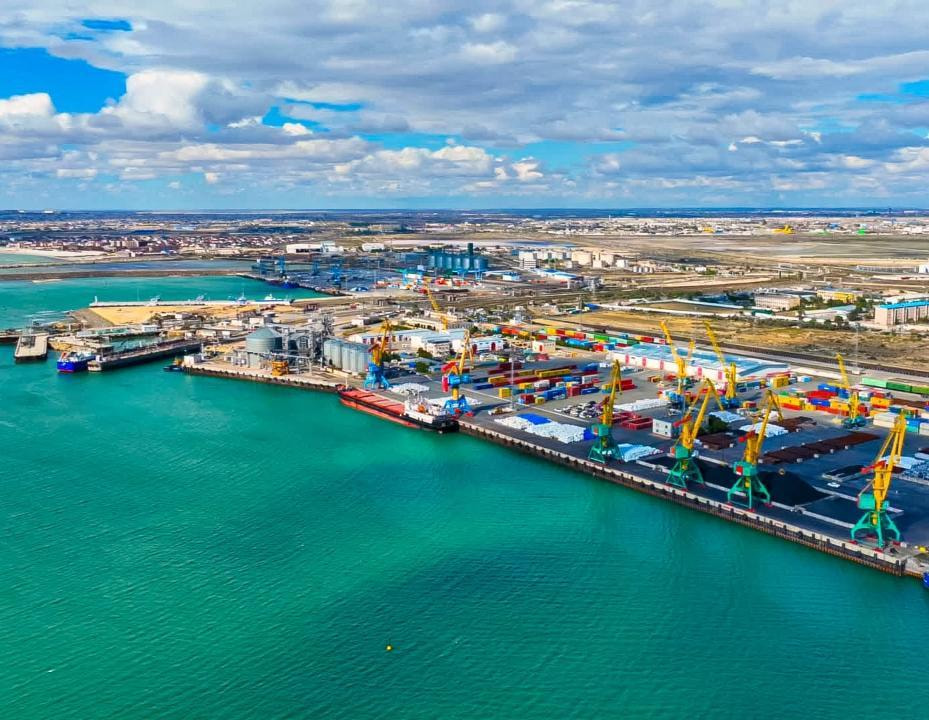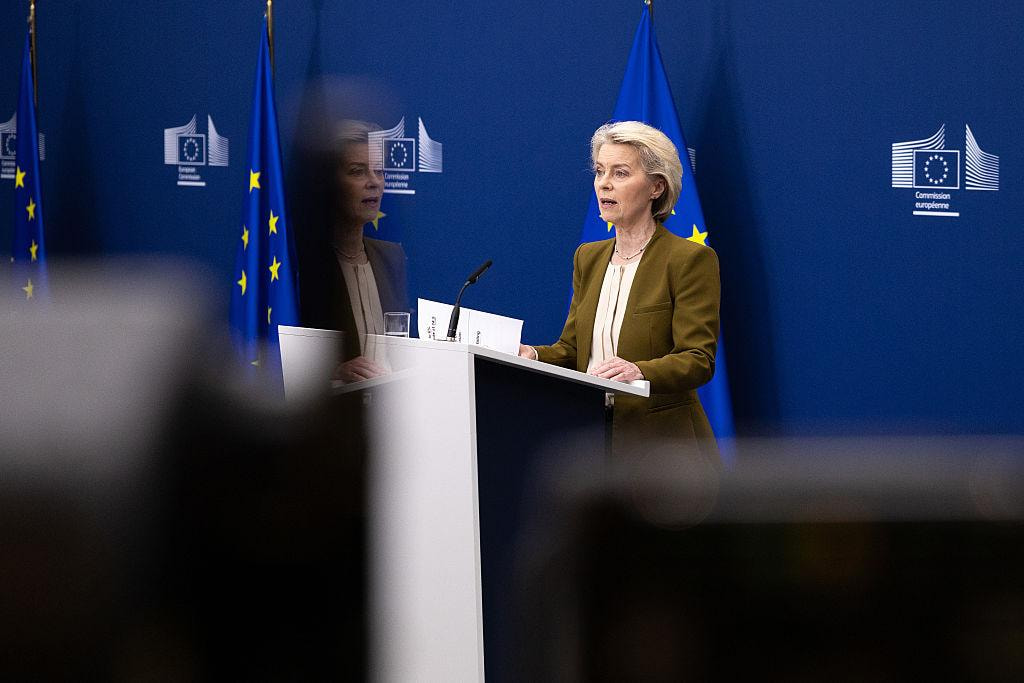
Almaty: Kazakhstan’s largest commercial city sits on the route that decides whether Europe’s next sanctions package works. Kaja Kallas told reporters on 17 August that she will put forward the most far-reaching listings since the war began, with proposals due in September and adoption sought during the autumn. Diplomats briefed a figure of roughly 1,600 individuals and entities, which would enlarge the Union’s Russia list by about a third. The number is striking. The harder question is who applies it once the goods leave European jurisdiction.
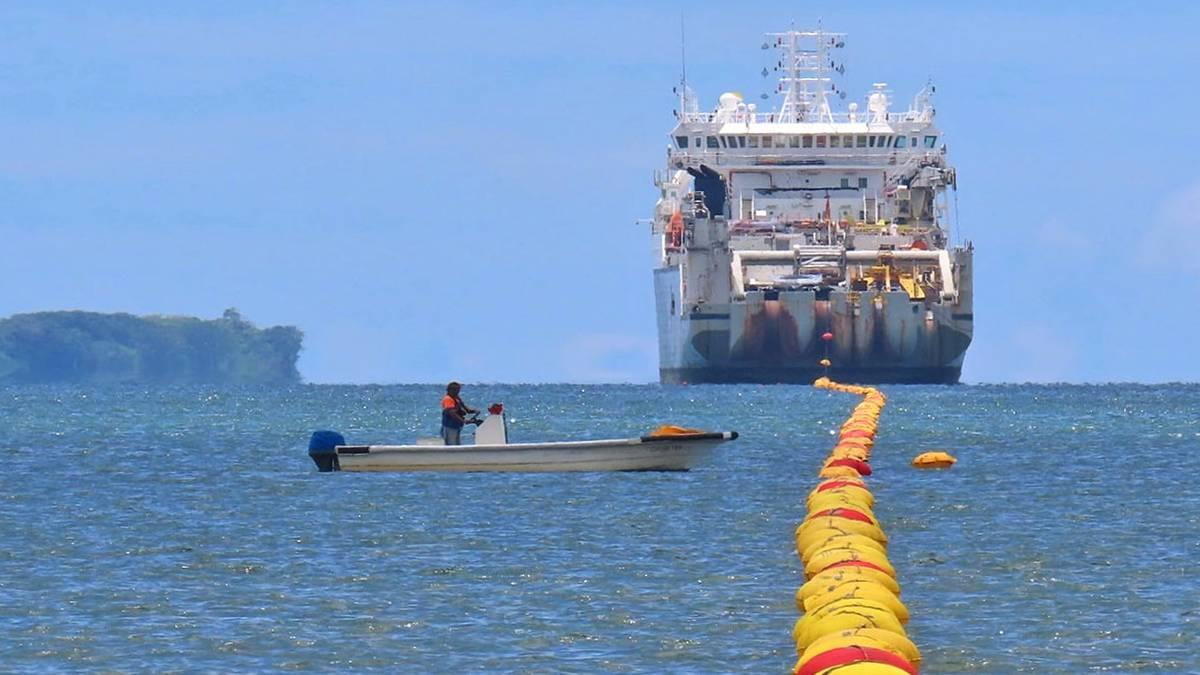
The Union has just finished its previous round. Member states adopted the 21st package on 23 July, and it was not a light one. That package carried 218 designations, including 94 Russian banks and financial institutions, added 41 vessels to a shadow-fleet list that now runs past 670 ships, and froze the automatic revision of the oil price cap until July 2027. For the first time the Council also listed bunkering tankers that refuel designated ships, which widened the criteria from the vessel itself to the service around it.
Listings of that kind travel well on paper. They travel less well through third-country intermediaries. A trading company in Central Asia or the Gulf that buys European machine tools and resells them eastward does not read the Official Journal for instruction; it reads whether its bank and its customs office will object. Kazakhstan tightened re-export tracking for sensitive goods after earlier European and American pressure, and trade statistics for several dual-use categories moved accordingly. Whether the flows stopped or simply changed address is a question the Union has never answered convincingly.
Kallas put the cumulative damage at more than one trillion euro denied to the Russian war economy, a figure that measures foregone revenue rather than enforcement quality. Both things can be true. Sanctions have raised Moscow’s costs, lengthened its supply chains and forced it to pay intermediaries for what it once bought directly. They have not closed the routes. Each new tranche of names therefore does two jobs at once, and only one of them is punitive: it also signals to Kyiv, to Washington and to European publics that the policy still has momentum.
The autumn timetable carries its own risk. Every package needs unanimity, and the last several rounds required weeks of bargaining with Budapest and Bratislava before the text cleared. A list of 1,600 names gives reluctant capitals more surface to negotiate against, not less. The most likely outcome is a package that arrives late, arrives trimmed, or arrives intact but with carve-outs attached elsewhere in Council business. Officials in Brussels know this arithmetic and still prefer the larger opening bid.
What would make the autumn round different from the twenty-one that preceded it is enforcement machinery rather than volume. The Union has no sanctions agency comparable to the American Office of Foreign Assets Control, and national customs authorities apply the same rules with varying appetite. Prosecutions for circumvention remain rare, and penalties differ sharply between member states. Until that gap narrows, each package will keep producing the same pattern: an impressive count of designations, a modest change in what actually reaches Russian factories, and another press conference in six months announcing the largest listings yet.