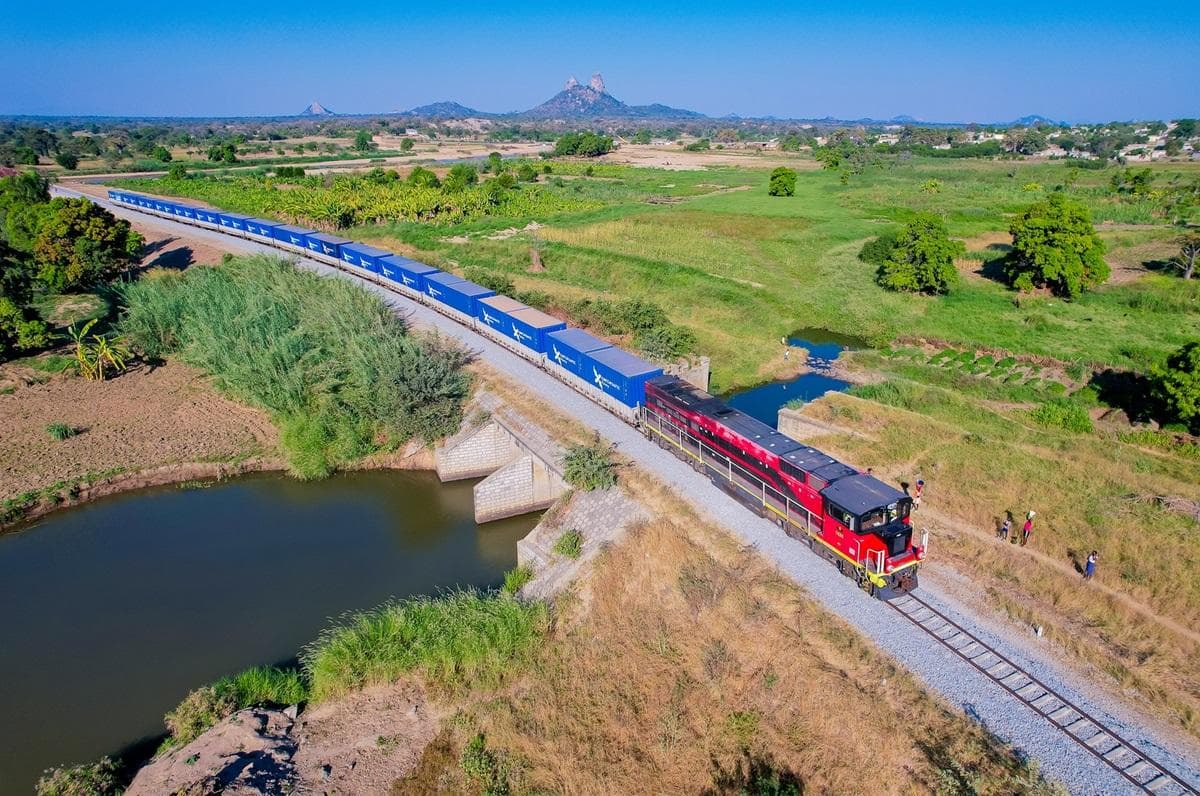
Chingola: Copper leaves this end of the Zambian belt by truck, and the whole promise of the Lobito Corridor is that within a few years it will not have to. Whether Europe gains anything beyond a faster route to the Atlantic is a separate question, and it remains unanswered.
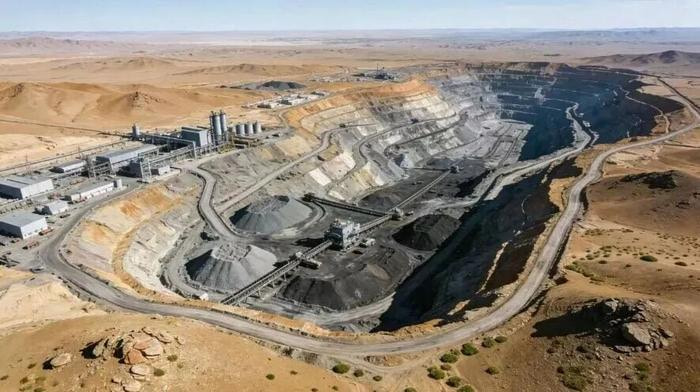
The corridor runs from the Copperbelt of Zambia and the Democratic Republic of the Congo to the Angolan port of Lobito. A consortium of Trafigura, Mota-Engil and Vecturis holds a thirty-year concession on the existing Angolan line and mineral terminal. Cargo volumes passed 200,000 tonnes in the first full operating year against a design target of 4.6 million tonnes. The second phase adds roughly 800 kilometres of new track from Luacano in Angola to Chingola, at a cost estimates now put near five billion dollars, with Zambia aiming to break ground on its section this quarter.
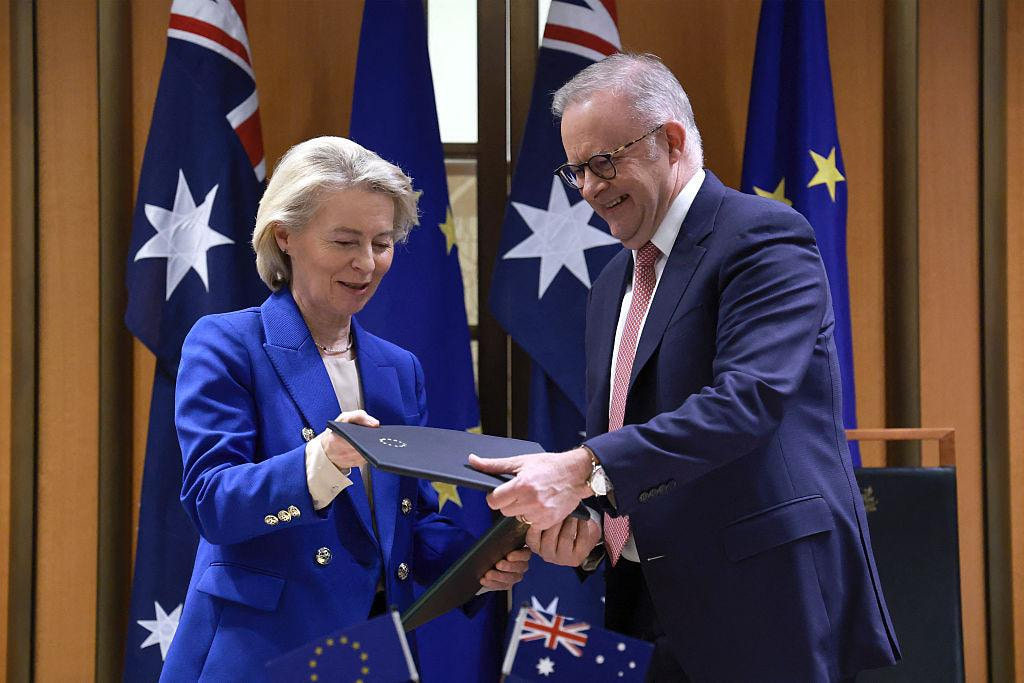
Europe frames all of this through Global Gateway, alongside strategic partnerships on raw material value chains signed with the DRC and Zambia. Those documents commit both sides to five workstreams, one of which is local processing. The Commission repeats that commitment in every communication about the corridor. Almost nothing in the financing structure enforces it.
Consider what the corridor actually optimises. A railway shortens the journey from mine to ship. It lowers the delivered cost of concentrate and unrefined metal at European and American ports. It does nothing on its own to make refining in Kolwezi or Kitwe more attractive than refining in Guangdong, because refining economics turn on power tariffs, water, environmental permitting and the capital cost of a smelter, none of which a rail line changes. Zambia has said openly that it wants processing capacity. It has not yet secured the financing to build it, and European institutions have not offered terms that would.
This is the recurring weakness in Europe’s raw materials diplomacy. Brussels signs memoranda that promise value addition and then finances the logistics that make extraction cheaper. Analysts at the European Centre for Development Policy Management have made this point about the wider partnership portfolio, and the criticism lands harder here because the infrastructure is real and moving while the industrial commitments remain aspirational.
There is a further awkwardness. Europe does not have the downstream capacity to absorb what the corridor could carry. European copper smelting has contracted, cobalt refining barely exists outside Finland, and the battery plants that were supposed to pull material through the chain have slipped or shrunk. Copper arriving at Lobito will find its most reliable buyers where the refining capacity already sits, which is largely in China. A corridor built to reduce dependence can end up feeding it.
Angola gains most immediately, collecting transit revenue and port throughput without owning the minerals. Washington co-signed the corridor memorandum and has shifted its own posture toward direct mineral deals in the region. That leaves the European Union as one financier among several, holding the least leverage over what happens to the metal once it moves.
None of this argues against the railway. Southern African integration has been starved of exactly this kind of infrastructure for decades, and the corridor will lower costs for producers who currently pay for road haulage to Durban or Dar es Salaam. The question is narrower. If Europe wants refined metal rather than a faster path to somebody else’s smelter, it will have to finance smelters. So far it has financed track.