September 16, 2026
LATEST
Six Billion in Promised Savings Rests on a Digital WalletAuditors Question the rescEU Budget Before the Fleet ArrivesDuty-Free Access for Armenian Exports Comes With a Conditions ListA Mirror Measure Closed Europe to Brazilian Meat in One DayEurope’s Creative Sectors Wait on an AI Strategy DraftSoftware Makers Face Europe’s Product Liability Deadline in DecemberMetro 3 Overran by 477 Percent and the Line Sits FrozenCage-Free Promises Land Before the Transport File Is FinishedTwo New Calls Will Test How Flexible Horizon Europe Really IsEurope’s Innovation Act Counts 10 Billion It Has Not Found YetProcurement Is the Chapter That Could Stall the Thailand DealMobility Week Returns With a Test of Intergenerational FairnessMinisters Debate the Chips Act Next Week With No Money AttachedTaiwan Wants Tax Treaties That Brussels Has No Power to SignNorth Korea Now Earns From Europe Without Shipping AnythingPalm Oil Is the Last Hard Question Before the Indonesia SigningCan One Year Deliver Both a Trade Deal and a Sea CodeVietnam Reached Europe’s Top Partnership Tier With Little DetailLeaked Draft Puts Europe’s Social Media Age Limit at FifteenFP10 Clears Committee and the Budget Gap Stays Wide OpenSix Billion in Promised Savings Rests on a Digital WalletAuditors Question the rescEU Budget Before the Fleet ArrivesDuty-Free Access for Armenian Exports Comes With a Conditions ListA Mirror Measure Closed Europe to Brazilian Meat in One DayEurope’s Creative Sectors Wait on an AI Strategy DraftSoftware Makers Face Europe’s Product Liability Deadline in DecemberMetro 3 Overran by 477 Percent and the Line Sits FrozenCage-Free Promises Land Before the Transport File Is FinishedTwo New Calls Will Test How Flexible Horizon Europe Really IsEurope’s Innovation Act Counts 10 Billion It Has Not Found YetProcurement Is the Chapter That Could Stall the Thailand DealMobility Week Returns With a Test of Intergenerational FairnessMinisters Debate the Chips Act Next Week With No Money AttachedTaiwan Wants Tax Treaties That Brussels Has No Power to SignNorth Korea Now Earns From Europe Without Shipping AnythingPalm Oil Is the Last Hard Question Before the Indonesia SigningCan One Year Deliver Both a Trade Deal and a Sea CodeVietnam Reached Europe’s Top Partnership Tier With Little DetailLeaked Draft Puts Europe’s Social Media Age Limit at FifteenFP10 Clears Committee and the Budget Gap Stays Wide Open
September 16, 2026
LATEST
Six Billion in Promised Savings Rests on a Digital WalletAuditors Question the rescEU Budget Before the Fleet ArrivesDuty-Free Access for Armenian Exports Comes With a Conditions ListA Mirror Measure Closed Europe to Brazilian Meat in One DayEurope’s Creative Sectors Wait on an AI Strategy DraftSoftware Makers Face Europe’s Product Liability Deadline in DecemberMetro 3 Overran by 477 Percent and the Line Sits FrozenCage-Free Promises Land Before the Transport File Is FinishedTwo New Calls Will Test How Flexible Horizon Europe Really IsEurope’s Innovation Act Counts 10 Billion It Has Not Found YetProcurement Is the Chapter That Could Stall the Thailand DealMobility Week Returns With a Test of Intergenerational FairnessMinisters Debate the Chips Act Next Week With No Money AttachedTaiwan Wants Tax Treaties That Brussels Has No Power to SignNorth Korea Now Earns From Europe Without Shipping AnythingPalm Oil Is the Last Hard Question Before the Indonesia SigningCan One Year Deliver Both a Trade Deal and a Sea CodeVietnam Reached Europe’s Top Partnership Tier With Little DetailLeaked Draft Puts Europe’s Social Media Age Limit at FifteenFP10 Clears Committee and the Budget Gap Stays Wide OpenSix Billion in Promised Savings Rests on a Digital WalletAuditors Question the rescEU Budget Before the Fleet ArrivesDuty-Free Access for Armenian Exports Comes With a Conditions ListA Mirror Measure Closed Europe to Brazilian Meat in One DayEurope’s Creative Sectors Wait on an AI Strategy DraftSoftware Makers Face Europe’s Product Liability Deadline in DecemberMetro 3 Overran by 477 Percent and the Line Sits FrozenCage-Free Promises Land Before the Transport File Is FinishedTwo New Calls Will Test How Flexible Horizon Europe Really IsEurope’s Innovation Act Counts 10 Billion It Has Not Found YetProcurement Is the Chapter That Could Stall the Thailand DealMobility Week Returns With a Test of Intergenerational FairnessMinisters Debate the Chips Act Next Week With No Money AttachedTaiwan Wants Tax Treaties That Brussels Has No Power to SignNorth Korea Now Earns From Europe Without Shipping AnythingPalm Oil Is the Last Hard Question Before the Indonesia SigningCan One Year Deliver Both a Trade Deal and a Sea CodeVietnam Reached Europe’s Top Partnership Tier With Little DetailLeaked Draft Puts Europe’s Social Media Age Limit at FifteenFP10 Clears Committee and the Budget Gap Stays Wide Open

Two Years On the New Zealand Deal Works Better One Way

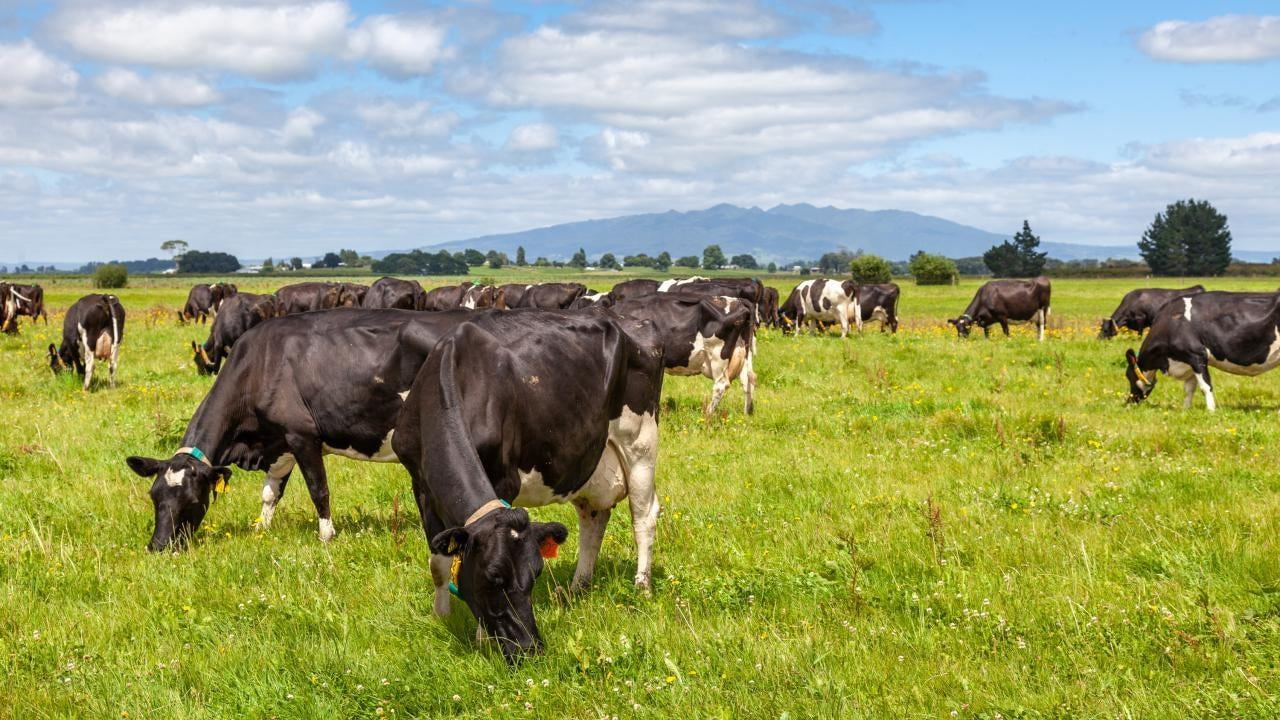
Hamilton: The Waikato pastures around this inland city feed a processing industry that ships more dairy protein than any other country on earth, and since May 2024 it has shipped a growing share of it into Europe. The trade agreement between the European Union and New Zealand has now run two full seasons, long enough to test whether the headline growth figures describe a balanced deal or a lopsided one.

The numbers favour Wellington. New Zealand goods exports to the Union have risen by roughly 2.5 billion New Zealand dollars since entry into force, a cumulative increase near 58 percent, which makes Europe the country’s fastest-growing goods market. Services exports reached a record two billion dollars in 2025. Two-way trade sits around 23 billion dollars, and the Union ranks as New Zealand’s fourth-largest partner.

Dairy carried much of that jump, climbing 64 percent to 557 million dollars in the year to June 2025. Kiwifruit, wine, onions and honey lost their tariffs on day one and responded immediately, because those tariffs had been real barriers rather than nuisances.

The European side looks slower, and the reason is structural rather than disappointing. New Zealand already ran one of the most open tariff schedules in the developed world before the deal. Brussels therefore had little tariff wall to knock down and instead negotiated for services access, public procurement, investment and protection for 2,000 geographical indications. Those gains accrue over years and never produce a dramatic export chart. The Commission’s own assessment projects European exports rising by up to 4.5 billion euros annually and duty savings near 140 million euros a year, both of which remain forecasts rather than outcomes.

The asymmetry also runs the other direction, and European farm lobbies rarely mention it. The agreement protects sensitive products with tariff rate quotas that are small against New Zealand’s production. Beef access opens at 3,333 tonnes and climbs in equal annual steps to 10,000 tonnes by the seventh year, with further volumes entering at a 7.5 percent duty. New Zealand slaughters that much beef in a matter of days. The dairy quotas work the same way, admitting a sliver of national output on preferential terms while the rest faces the old schedule.

So the deal that looks generous to New Zealand in percentage terms remains modest in absolute terms, and the deal that looks slow for Europe front-loads its defensive wins. Both governments can therefore claim success to constituencies that want opposite things, which is usually a sign of careful drafting rather than luck.

The harder question sits in the sustainability chapter. This was the first Union agreement to make labour and climate commitments enforceable through trade sanctions rather than mere consultation. Nobody has tested that mechanism yet. Until a party invokes it, the chapter remains a drafting achievement rather than a governing one, and every future partner will watch how Brussels behaves the first time a genuine dispute arrives.

Two years of data prove the tariff arithmetic worked as predicted. They prove nothing about whether the political architecture around it functions. New Zealand’s own reporting tracks the export surge closely and the enforcement machinery hardly at all, which tells you where both capitals currently place their attention.