Brussels: Quantum research has become the most substantive strand of the European relationship with Japan, and it advances through laboratories rather than communiques.
The two sides met in Brussels on 5 May for the fourth EU-Japan Digital Partnership Council and agreed new steps across data, artificial intelligence, quantum technologies, semiconductors, digital infrastructure and online platforms. The headline item was Q-Neko, a joint project pairing European and Japanese teams on hybrid computing environments with applications in materials science, carbon reduction, communication networks, fluid dynamics and satellite imagery.
Joint research projects rarely justify diplomatic attention. This one does, because of what it substitutes for. Europe and Japan cannot build a trade relationship deeper than the economic partnership agreement they already have. They cannot build a defence relationship faster than their industries and parliaments allow. Research cooperation moves at the speed of the researchers, and it produces institutional habits that outlast whichever governments sign the paperwork.
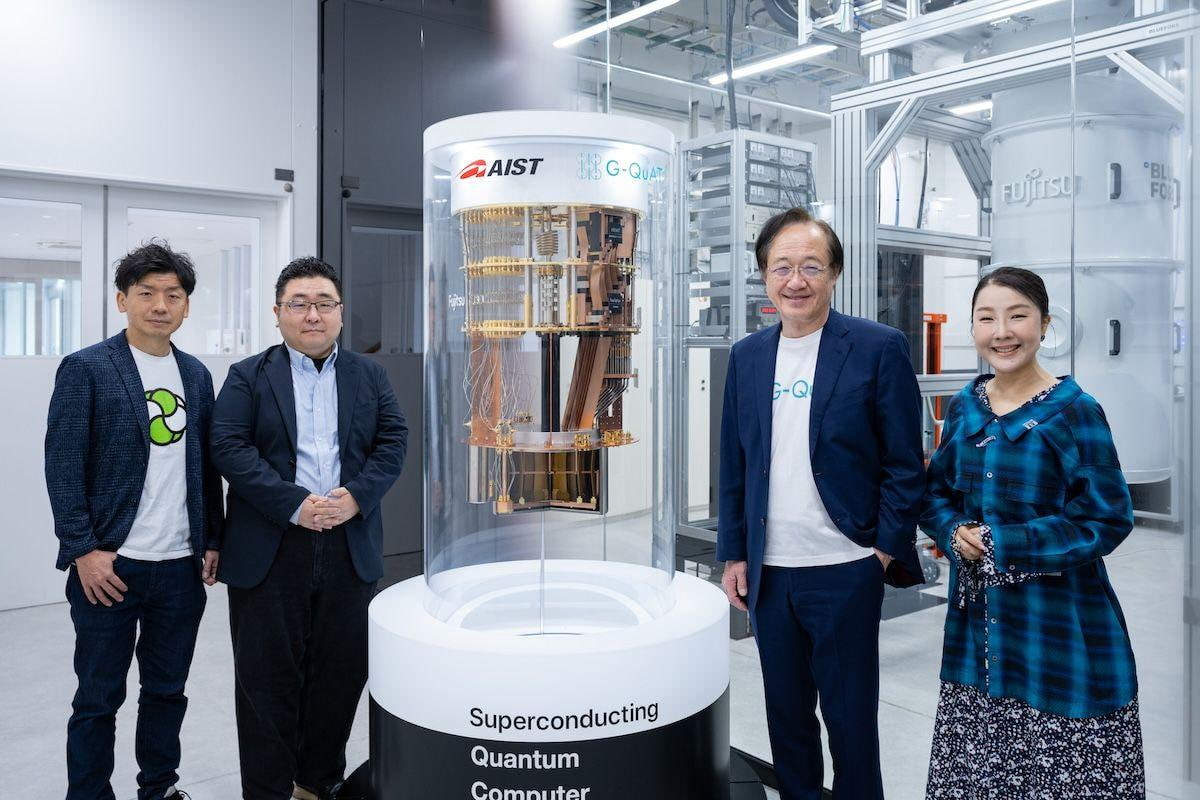
The technical agenda covers quantum computing, quantum sensing and a quantum internet linking European and Japanese nodes. That last item carries strategic weight the press releases understate. A quantum communication network built to shared standards between two jurisdictions with compatible export controls and comparable research security regimes creates a small trusted zone in a technology where trust is precisely the contested resource.
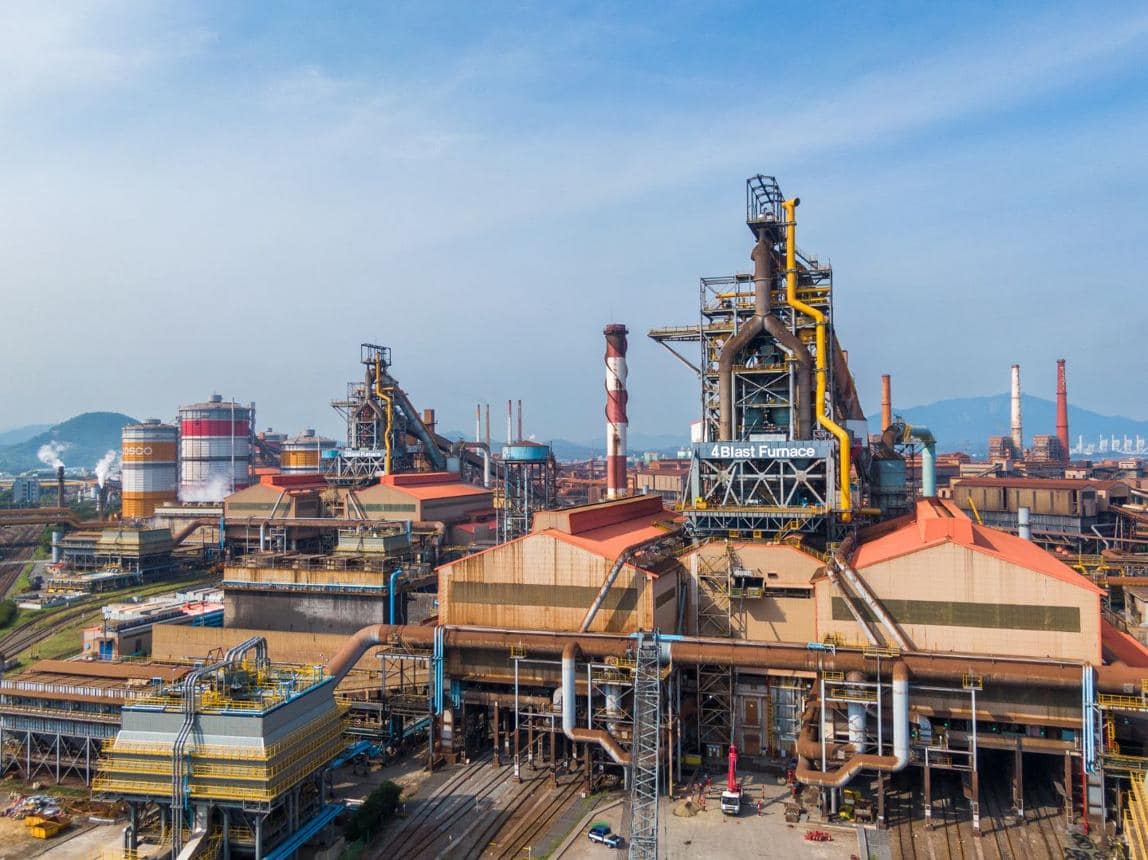
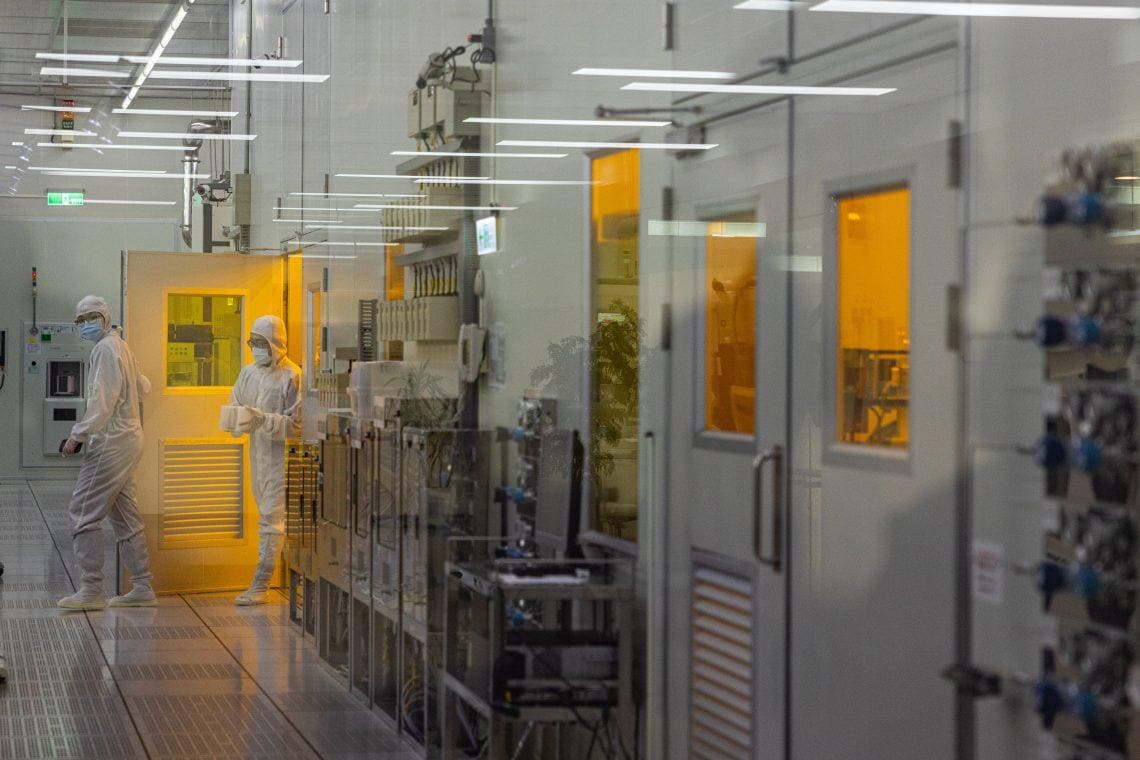
Japan brings assets Europe lacks. Its firms hold serious positions in semiconductor materials and manufacturing equipment, the upstream layers where substitution is hardest and where any attempt to reshore chip production eventually runs aground. Its national quantum programme has been funded consistently for longer than most European equivalents. Europe brings a research base, public infrastructure through the EuroHPC joint undertaking and a regulatory framework Tokyo finds broadly legible.
Both governments also share an uncomfortable position between an American technology bloc that expects alignment and a Chinese market neither can abandon. That shared discomfort explains the pace. Since the Tokyo summit launched a competitiveness alliance covering data flows, cybersecurity, artificial intelligence, connectivity, quantum technologies and supply chain resilience, the two sides have layered dialogue upon dialogue.
The layering is also the weakness. A digital partnership council, a competitiveness alliance, a high-level economic dialogue, a security and defence partnership and a critical minerals partnership now run in parallel, each generating its own workplan and its own annual meeting. Nobody in either capital has published a single map showing how the strands connect or which one prevails when they conflict.
Researchers notice this before diplomats do. A team applying for funding under one framework discovers that the export control question sits with another, that the data transfer question sits with a third, and that no official can answer all three. Cooperation then proceeds where the paperwork is thinnest, which is exactly how a strategic partnership becomes a portfolio of accidents.
The fifth partnership council meets in Tokyo next year. The useful outcome would not be another workplan. It would be a decision about which of these structures actually governs, and a willingness to retire the ones that do not. Q-Neko will produce results regardless. Whether Europe can convert those results into anything resembling leverage depends on institutional choices that neither side has yet shown any appetite to make.