August 9, 2026
LATEST
New EU Gas Market Rules Take Effect With Consumer SafeguardsDeforestation Regulation Holds Its December Deadline Despite CutsDigital Omnibus Delays Europe’s High-Risk AI Deadline to 2027Europe’s Schools Confront a Widening Basic Skills GapRule of Law Report Finds Progress but Trust Still LagsIRIS2 Gains 66 Satellites as Brussels Signs the Rollout DealNature Restoration Plans Come Due as Member States Race a DeadlineECB Rates Hold at 2.25 Percent as Frankfurt Waits on the DataEU Budget Talks Turn to Cohesion as Ireland Takes OverWildfire Response Stretches Europe’s Emergency Fleet ThinCan Europe’s Quantum Plan Match Its Big Ambitions?Armenia Edges West as Moscow’s Grip Slips AwayEurope Inherits the World’s Aid Bill It Cannot Fully PayAir Passenger Rights Get Their First Overhaul in Two DecadesErasmus Opens a 5 Billion Euro Round for Skills and MobilityCeuta Crisis Pushes the EU Toward Faster Migrant ReturnsBulky Parcels Face a Packaging Crackdown From August 12Can Europe Build Its Drone Wall Before 2030 Arrives?Indonesia’s Trade Deal With Europe Nears Its Final SignatureEurope Leans on Beijing to Keep Climate Talks Alive Before AntalyaNew EU Gas Market Rules Take Effect With Consumer SafeguardsDeforestation Regulation Holds Its December Deadline Despite CutsDigital Omnibus Delays Europe’s High-Risk AI Deadline to 2027Europe’s Schools Confront a Widening Basic Skills GapRule of Law Report Finds Progress but Trust Still LagsIRIS2 Gains 66 Satellites as Brussels Signs the Rollout DealNature Restoration Plans Come Due as Member States Race a DeadlineECB Rates Hold at 2.25 Percent as Frankfurt Waits on the DataEU Budget Talks Turn to Cohesion as Ireland Takes OverWildfire Response Stretches Europe’s Emergency Fleet ThinCan Europe’s Quantum Plan Match Its Big Ambitions?Armenia Edges West as Moscow’s Grip Slips AwayEurope Inherits the World’s Aid Bill It Cannot Fully PayAir Passenger Rights Get Their First Overhaul in Two DecadesErasmus Opens a 5 Billion Euro Round for Skills and MobilityCeuta Crisis Pushes the EU Toward Faster Migrant ReturnsBulky Parcels Face a Packaging Crackdown From August 12Can Europe Build Its Drone Wall Before 2030 Arrives?Indonesia’s Trade Deal With Europe Nears Its Final SignatureEurope Leans on Beijing to Keep Climate Talks Alive Before Antalya
August 9, 2026
LATEST
New EU Gas Market Rules Take Effect With Consumer SafeguardsDeforestation Regulation Holds Its December Deadline Despite CutsDigital Omnibus Delays Europe’s High-Risk AI Deadline to 2027Europe’s Schools Confront a Widening Basic Skills GapRule of Law Report Finds Progress but Trust Still LagsIRIS2 Gains 66 Satellites as Brussels Signs the Rollout DealNature Restoration Plans Come Due as Member States Race a DeadlineECB Rates Hold at 2.25 Percent as Frankfurt Waits on the DataEU Budget Talks Turn to Cohesion as Ireland Takes OverWildfire Response Stretches Europe’s Emergency Fleet ThinCan Europe’s Quantum Plan Match Its Big Ambitions?Armenia Edges West as Moscow’s Grip Slips AwayEurope Inherits the World’s Aid Bill It Cannot Fully PayAir Passenger Rights Get Their First Overhaul in Two DecadesErasmus Opens a 5 Billion Euro Round for Skills and MobilityCeuta Crisis Pushes the EU Toward Faster Migrant ReturnsBulky Parcels Face a Packaging Crackdown From August 12Can Europe Build Its Drone Wall Before 2030 Arrives?Indonesia’s Trade Deal With Europe Nears Its Final SignatureEurope Leans on Beijing to Keep Climate Talks Alive Before AntalyaNew EU Gas Market Rules Take Effect With Consumer SafeguardsDeforestation Regulation Holds Its December Deadline Despite CutsDigital Omnibus Delays Europe’s High-Risk AI Deadline to 2027Europe’s Schools Confront a Widening Basic Skills GapRule of Law Report Finds Progress but Trust Still LagsIRIS2 Gains 66 Satellites as Brussels Signs the Rollout DealNature Restoration Plans Come Due as Member States Race a DeadlineECB Rates Hold at 2.25 Percent as Frankfurt Waits on the DataEU Budget Talks Turn to Cohesion as Ireland Takes OverWildfire Response Stretches Europe’s Emergency Fleet ThinCan Europe’s Quantum Plan Match Its Big Ambitions?Armenia Edges West as Moscow’s Grip Slips AwayEurope Inherits the World’s Aid Bill It Cannot Fully PayAir Passenger Rights Get Their First Overhaul in Two DecadesErasmus Opens a 5 Billion Euro Round for Skills and MobilityCeuta Crisis Pushes the EU Toward Faster Migrant ReturnsBulky Parcels Face a Packaging Crackdown From August 12Can Europe Build Its Drone Wall Before 2030 Arrives?Indonesia’s Trade Deal With Europe Nears Its Final SignatureEurope Leans on Beijing to Keep Climate Talks Alive Before Antalya

Adriatic Demersal Limits Edge Lower In 2026 GFCM Recommendation

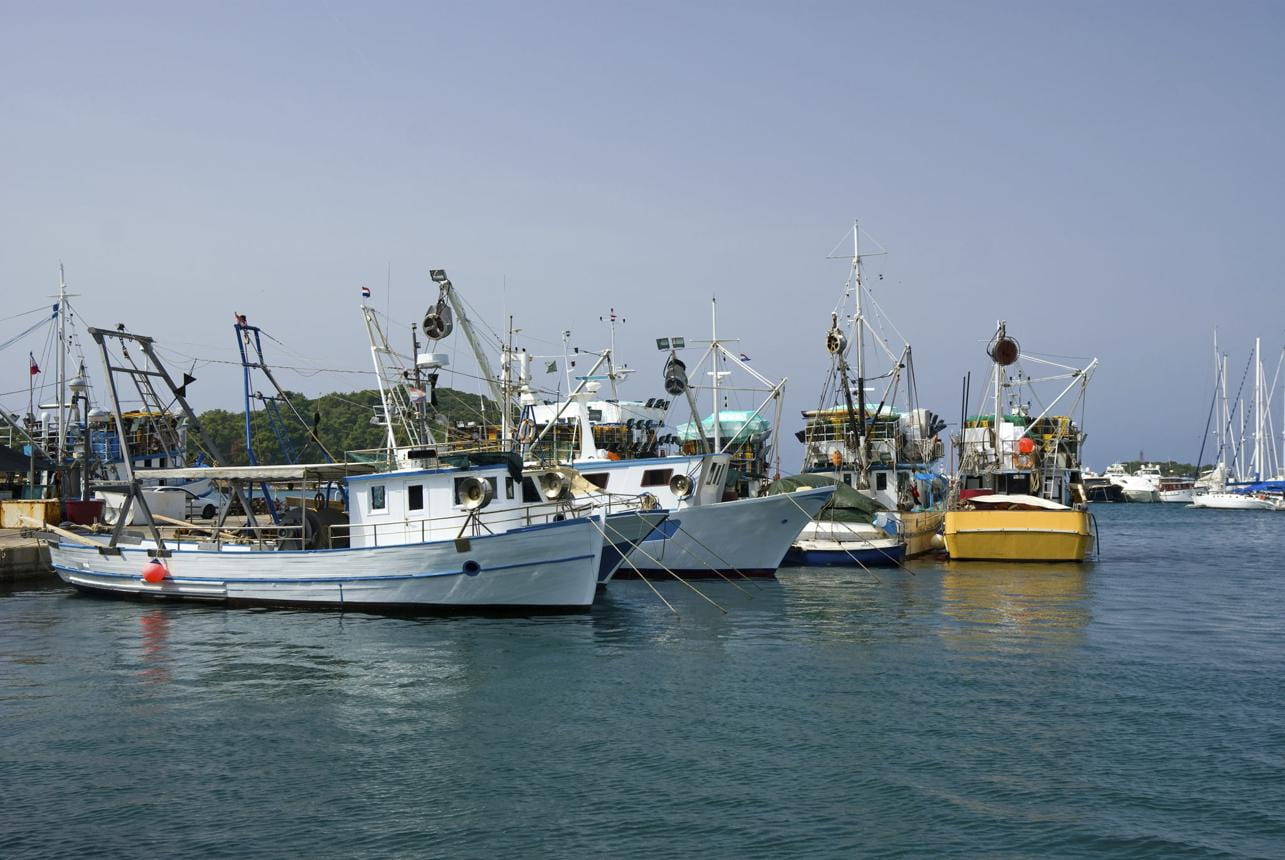
Pula: The Mediterranean fishing year for 2026 has been quietly turning on its slowest hinge in months as Council officials in the Adriatic working group close in on the technical text that will lock in catch limits and effort ceilings for the bottom-trawl fleets that work the central basin. The General Fisheries Commission for the Mediterranean adopted its latest demersal package at the November annual session, and the European Commission has been translating those recommendations into Council regulation language across the spring, with the final shape of the Adriatic multiannual plan now sitting in front of national negotiators.

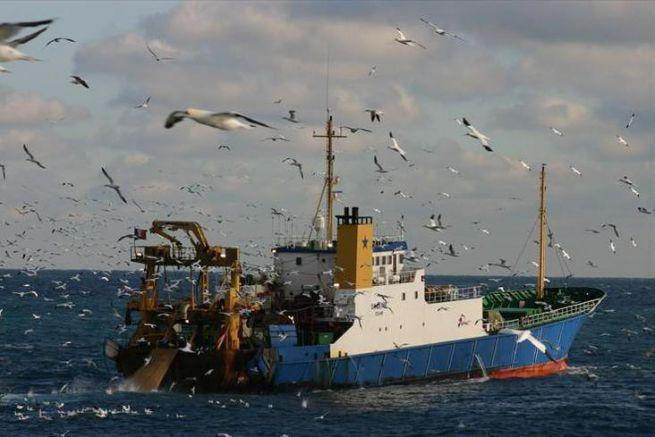
The piece that has provoked the most argument is the further reduction in fishing effort for demersal species in the Adriatic, with the proposed envelope tightening for a fifth consecutive year. The plan follows the long-running GFCM management strategy for the area, which aims to bring the heaviest-pressured stocks back inside biologically sustainable reference points by the end of the decade. Hake, red mullet and Norway lobster all sit inside that demersal basket, and their stock indicators have improved unevenly across the past four assessments, leaving the negotiators caught between scientific advice that recommends keeping pressure off the seabed and the political reality of fleets that have already absorbed deep cuts.

Italian and Croatian delegations have argued for a narrower interpretation of effort reduction, focusing the cuts on the species where stock indicators have not yet stabilised rather than spreading them evenly across the demersal fleet. The Commission’s counter-position is that uneven cuts would be hard to police across mixed fisheries where multiple species come up in the same haul, and that any easing of the headline pressure cap risks unravelling the gains the plan has produced since it switched on. Inside the Scientific, Technical and Economic Committee for Fisheries, the prevailing view is that the trajectory toward maximum sustainable yield only holds if effort reduction is maintained at the current pace for at least two more cycles.

A second debate runs alongside the demersal one and concerns blackspot seabream, where the GFCM has called for a specific recovery measure following a sharp decline in catch-per-unit-effort across the Strait of Sicily. The Commission has translated that into a draft technical measure for the southern Adriatic and Ionian fleets, with a minimum landing size and a closure window during the spring spawning period. Spanish and Greek representatives have asked for the closure window to be shortened, while environmental advisers seated in the working group have pushed for it to be widened by two weeks.

Deep-water shrimp species are the third moving piece in the package. The Commission proposal carries over the existing effort regime, but with new selectivity rules for trawl nets working below 400 metres, and a tighter monitoring requirement that asks vessels to submit electronic logbooks with finer-grained location reporting. The selectivity rules are the part that has generated the deepest pushback, because they require gear changes that the smaller cooperatives have said they can only afford in a multi-year phase-in.

On the Black Sea side, the proposal maintains the 2025 catch limits for sprat and updates the turbot quota by a small margin in line with the latest stock estimate. Bulgarian and Romanian delegations have not flagged objections to the headline numbers, but both have asked for the regional control plan to be aligned more tightly with the GFCM regional reporting cycle to reduce the duplicate paperwork that has shadowed the area for two years.

The Council is expected to adopt the package at a June meeting in Luxembourg, after which the technical measures will move into delegated acts that the Commission will adopt across the summer. Operators will see the changes hit their permits before the autumn season, with the heaviest implications falling on mid-sized trawlers that work mixed demersal grounds out of Ancona, Bari and Split.