Antwerp: Europe’s fight against cigarette smuggling rarely reaches the front pages, yet the trade drains billions from national treasuries each year and feeds the coffers of organised crime. This month the European Anti-Fraud Office, known by its French acronym OLAF, showed how far its investigators now reach.
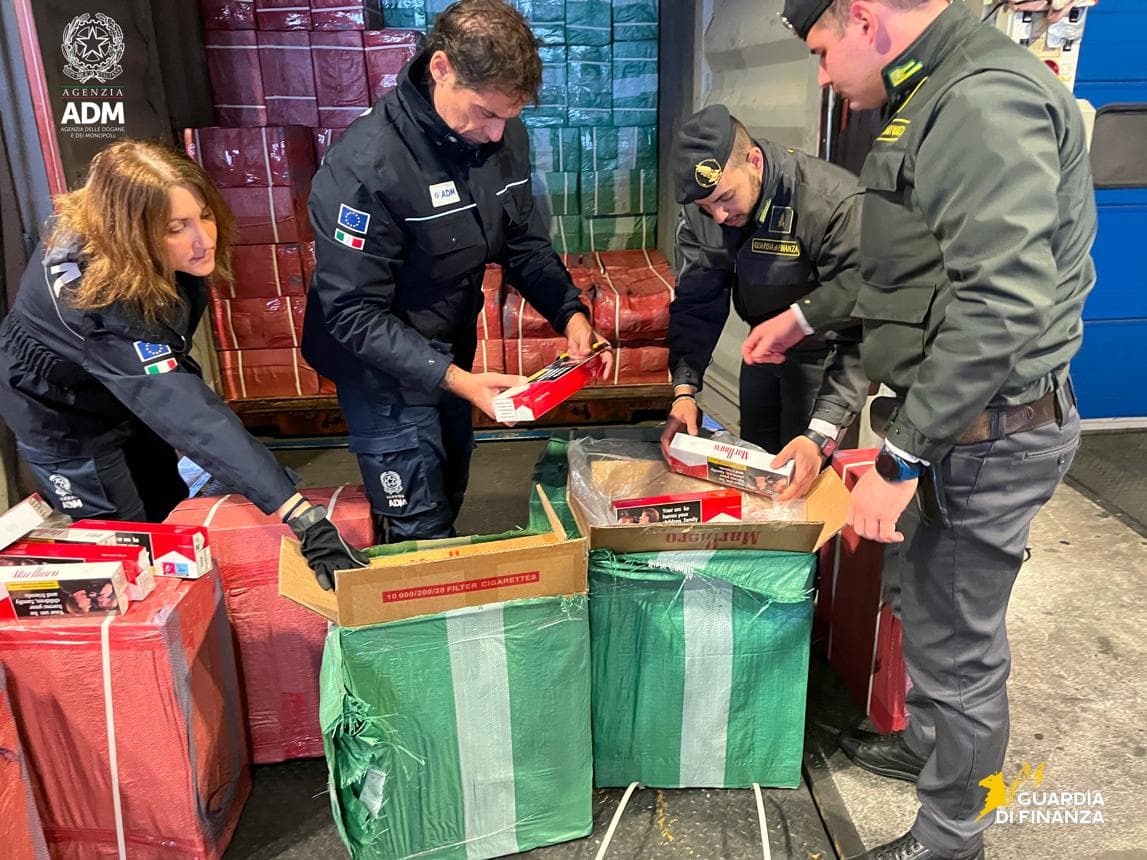
Working alongside police and customs services in several member states, OLAF helped unpick an illicit supply chain that moved tens of millions of counterfeit cigarettes across the Union’s internal borders. Investigators followed raw tobacco, machinery and finished packs through a lattice of front companies, then guided officers to seize the contraband and name the intermediaries who kept the pipeline running.
The case fits a pattern the office has flagged for years. Counterfeiters no longer copy cigarettes alone. They reproduce everything from medicines to condoms, and they lean on the same logistics networks that carry legitimate cargo. In early July OLAF and the EU Intellectual Property Office signed a fresh cooperation arrangement to shield critical sectors from that tide of fakes.
The numbers explain the urgency. OLAF’s most recent annual report, published in April, recommended recovering almost 600 million euro in misused funds and stopped a further 18 million from being spent improperly. The office sets out its 2025 caseload on its official website.
Smuggled tobacco carries a double cost. Governments lose the excise duty and value-added tax that legitimate sales would generate, and consumers face unregulated products made in clandestine factories with no safety oversight. When a single seizure runs into tens of millions of sticks, the forgone revenue climbs into the hundreds of millions across a full year.
OLAF cannot prosecute on its own. It gathers evidence, then hands cases to national authorities or to the European Public Prosecutor’s Office, which can bring charges in participating countries. That division of labour makes cross-border coordination the whole game, because a factory in one state, a warehouse in another and a buyer in a third only unravel when agencies pool what they know.
Analysts expect the pressure to intensify. As excise rates rise and a revision of the Union’s tobacco tax rules moves through the legislative pipeline, the price gap between taxed and untaxed cigarettes widens, and every euro of that gap sharpens the incentive to smuggle. The office argues that enforcement must scale in step with taxation, or the policy simply hands criminal networks a larger margin.
For now the message from Antwerp is that the Union’s anti-fraud machinery has grown more capable of following money and goods across frontiers. Whether that capacity keeps pace with increasingly sophisticated counterfeiters will shape how much of Europe’s tax base leaks away in the years ahead.