August 9, 2026
LATEST
New EU Gas Market Rules Take Effect With Consumer SafeguardsDeforestation Regulation Holds Its December Deadline Despite CutsDigital Omnibus Delays Europe’s High-Risk AI Deadline to 2027Europe’s Schools Confront a Widening Basic Skills GapRule of Law Report Finds Progress but Trust Still LagsIRIS2 Gains 66 Satellites as Brussels Signs the Rollout DealNature Restoration Plans Come Due as Member States Race a DeadlineECB Rates Hold at 2.25 Percent as Frankfurt Waits on the DataEU Budget Talks Turn to Cohesion as Ireland Takes OverWildfire Response Stretches Europe’s Emergency Fleet ThinCan Europe’s Quantum Plan Match Its Big Ambitions?Armenia Edges West as Moscow’s Grip Slips AwayEurope Inherits the World’s Aid Bill It Cannot Fully PayAir Passenger Rights Get Their First Overhaul in Two DecadesErasmus Opens a 5 Billion Euro Round for Skills and MobilityCeuta Crisis Pushes the EU Toward Faster Migrant ReturnsBulky Parcels Face a Packaging Crackdown From August 12Can Europe Build Its Drone Wall Before 2030 Arrives?Indonesia’s Trade Deal With Europe Nears Its Final SignatureEurope Leans on Beijing to Keep Climate Talks Alive Before AntalyaNew EU Gas Market Rules Take Effect With Consumer SafeguardsDeforestation Regulation Holds Its December Deadline Despite CutsDigital Omnibus Delays Europe’s High-Risk AI Deadline to 2027Europe’s Schools Confront a Widening Basic Skills GapRule of Law Report Finds Progress but Trust Still LagsIRIS2 Gains 66 Satellites as Brussels Signs the Rollout DealNature Restoration Plans Come Due as Member States Race a DeadlineECB Rates Hold at 2.25 Percent as Frankfurt Waits on the DataEU Budget Talks Turn to Cohesion as Ireland Takes OverWildfire Response Stretches Europe’s Emergency Fleet ThinCan Europe’s Quantum Plan Match Its Big Ambitions?Armenia Edges West as Moscow’s Grip Slips AwayEurope Inherits the World’s Aid Bill It Cannot Fully PayAir Passenger Rights Get Their First Overhaul in Two DecadesErasmus Opens a 5 Billion Euro Round for Skills and MobilityCeuta Crisis Pushes the EU Toward Faster Migrant ReturnsBulky Parcels Face a Packaging Crackdown From August 12Can Europe Build Its Drone Wall Before 2030 Arrives?Indonesia’s Trade Deal With Europe Nears Its Final SignatureEurope Leans on Beijing to Keep Climate Talks Alive Before Antalya
August 9, 2026
LATEST
New EU Gas Market Rules Take Effect With Consumer SafeguardsDeforestation Regulation Holds Its December Deadline Despite CutsDigital Omnibus Delays Europe’s High-Risk AI Deadline to 2027Europe’s Schools Confront a Widening Basic Skills GapRule of Law Report Finds Progress but Trust Still LagsIRIS2 Gains 66 Satellites as Brussels Signs the Rollout DealNature Restoration Plans Come Due as Member States Race a DeadlineECB Rates Hold at 2.25 Percent as Frankfurt Waits on the DataEU Budget Talks Turn to Cohesion as Ireland Takes OverWildfire Response Stretches Europe’s Emergency Fleet ThinCan Europe’s Quantum Plan Match Its Big Ambitions?Armenia Edges West as Moscow’s Grip Slips AwayEurope Inherits the World’s Aid Bill It Cannot Fully PayAir Passenger Rights Get Their First Overhaul in Two DecadesErasmus Opens a 5 Billion Euro Round for Skills and MobilityCeuta Crisis Pushes the EU Toward Faster Migrant ReturnsBulky Parcels Face a Packaging Crackdown From August 12Can Europe Build Its Drone Wall Before 2030 Arrives?Indonesia’s Trade Deal With Europe Nears Its Final SignatureEurope Leans on Beijing to Keep Climate Talks Alive Before AntalyaNew EU Gas Market Rules Take Effect With Consumer SafeguardsDeforestation Regulation Holds Its December Deadline Despite CutsDigital Omnibus Delays Europe’s High-Risk AI Deadline to 2027Europe’s Schools Confront a Widening Basic Skills GapRule of Law Report Finds Progress but Trust Still LagsIRIS2 Gains 66 Satellites as Brussels Signs the Rollout DealNature Restoration Plans Come Due as Member States Race a DeadlineECB Rates Hold at 2.25 Percent as Frankfurt Waits on the DataEU Budget Talks Turn to Cohesion as Ireland Takes OverWildfire Response Stretches Europe’s Emergency Fleet ThinCan Europe’s Quantum Plan Match Its Big Ambitions?Armenia Edges West as Moscow’s Grip Slips AwayEurope Inherits the World’s Aid Bill It Cannot Fully PayAir Passenger Rights Get Their First Overhaul in Two DecadesErasmus Opens a 5 Billion Euro Round for Skills and MobilityCeuta Crisis Pushes the EU Toward Faster Migrant ReturnsBulky Parcels Face a Packaging Crackdown From August 12Can Europe Build Its Drone Wall Before 2030 Arrives?Indonesia’s Trade Deal With Europe Nears Its Final SignatureEurope Leans on Beijing to Keep Climate Talks Alive Before Antalya

Artists Win New Charter As Europe Bets Big On Culture

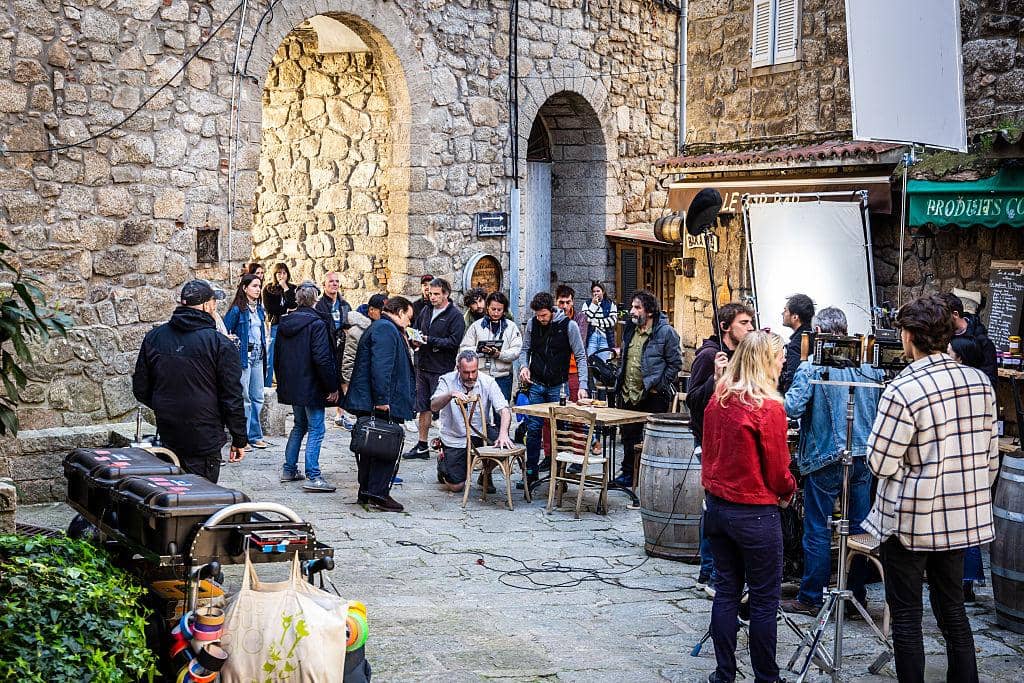
Florence: The European Commission is moving from grand promises to fine print, translating its Culture Compass for Europe into the first concrete instruments meant to change how artists actually live and work. Chief among them is a planned EU Artists Charter, a framework intended to push member states toward fairer pay, clearer contracts and basic social protection for performers, writers and other creative workers whose incomes have long been precarious and unpredictable.

The Compass, adopted late last year, set out a deceptively simple ambition: that Europe should stand up for culture, and that culture should in turn stand for Europe. Behind that slogan sits a recognition that the creative sectors employ millions of people, feed tourism and soft power, and yet rest on a workforce that frequently lacks pensions, sick pay or stable employment. The Charter is the Commission’s attempt to give that workforce a recognisable floor of rights without trampling on national competence over labour law.

The rollout does not stop at working conditions. The Commission has flagged a European Prize for Performing Arts, a cultural data hub to give policymakers harder numbers on a sector notorious for patchy statistics, and a Youth Cultural Ambassadors Network meant to widen access for younger Europeans. Perhaps most consequential is a promised strategy on artificial intelligence for the cultural and creative industries, addressing the anxiety among musicians, illustrators and translators that their work is being scraped to train models that may eventually replace them.

Why it matters is partly economic and partly democratic. Officials argue that artistic freedom is under pressure across parts of the continent, and that defending it is inseparable from defending the open societies the Union claims to represent. A healthier creative economy, the argument runs, also strengthens cohesion and competitiveness, giving struggling regions a reason to invest in festivals, heritage and design rather than treating culture as an afterthought.

Skeptics are not convinced. Cultural organisations have welcomed the rhetoric while warning that a charter without fresh money or binding force risks becoming another well-meaning declaration. Labour law remains largely a national matter, and several capitals are wary of the Union setting expectations they would be expected to fund. Critics also note that headline spending figures attached to programmes such as Erasmus+ stretch across years and many priorities, leaving little earmarked specifically for the artists the Compass claims to champion.

The coming months will test whether the vision survives contact with budgets and bureaucracy. The Commission must turn the Charter from outline into text, secure buy-in from member states jealous of their prerogatives, and reconcile cultural ambitions with an AI agenda driven largely by industrial concerns. For the painters in cold studios and the actors between contracts who inspired the language, the question is blunt: whether a strategy written in the abstract will eventually show up in their bank accounts and their legal protections, or whether culture will once again be praised in speeches and shortchanged in practice.