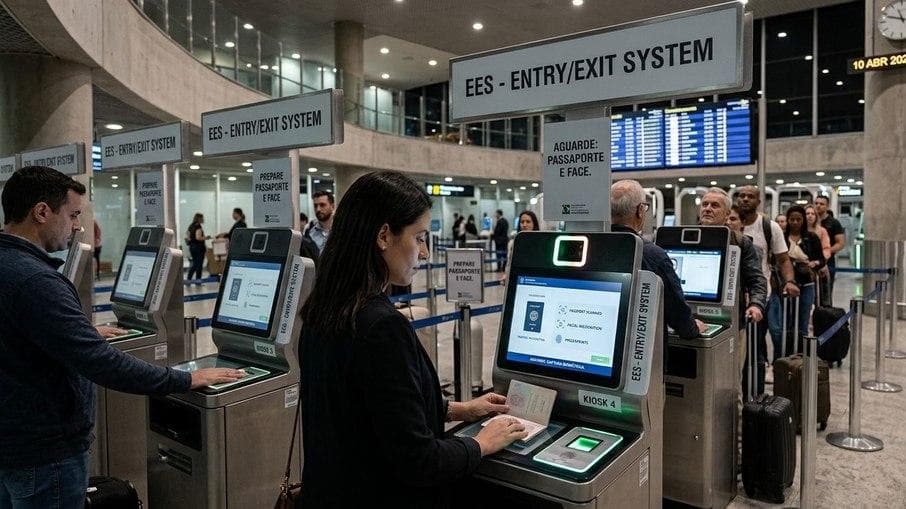
Lampedusa: On the island that has long marked Europe’s southern edge, the new asylum rules that took effect across the Union on 12 June now govern every arrival, every fingerprint and every claim lodged along the quay.
The Pact on Migration and Asylum folds ten separate laws into one system. It sets common procedures for screening and registering irregular arrivals at the external border, tightens the timetable for asylum and return decisions, and fixes clearer rules on which country must handle each application. A solidarity mechanism sits at its centre, obliging member states to share the cost of hosting migrants either by taking in people or by paying into a common pot.
Officials in the coastal towns that receive the first boats welcome the promise of order. For years, frontline authorities have carried a burden that the rest of the bloc largely watched from a distance. The new framework, the Commission argues, spreads that weight more evenly and gives border staff a single rulebook rather than a patchwork of national practices.
Delivery, though, tells a harder story. When the Commission asked capitals to file their national implementation plans by last December, only fourteen of the twenty-seven met the deadline. Many governments still lack the legislation, the computer systems or the detention and reception capacity that the rules assume. Several openly concede they will not be fully ready.
Frontex, the border agency, now works alongside the EU Agency for Asylum, Eurodac and eu-LISA to monitor how each country executes its plan and to steady the rollout of the Screening Regulation. The two agencies have deepened their cooperation so that officers apply the same checks at every crossing, from the Aegean shore to the Baltic frontier.
Rights groups warn that speed can cut against fairness. Faster procedures at the border, they caution, risk thin legal review for people fleeing war or persecution, and the solidarity payments could let wealthier states buy their way out of taking anyone in. The Commission counters that the pact builds in safeguards and independent monitoring, and it has published detailed guidance on what the new rules change in practice.
What happens next depends less on the text than on the follow-through. Brussels can open infringement cases against laggard capitals, but enforcement takes months and political capital. For the officers checking documents on Lampedusa this summer, the law already applies in full, whether or not the machinery behind it has caught up. The coming months, officials concede, will test whether a common rulebook can survive uneven national capacity, and Lampedusa will feel the strain first.