August 9, 2026
LATEST
New EU Gas Market Rules Take Effect With Consumer SafeguardsDeforestation Regulation Holds Its December Deadline Despite CutsDigital Omnibus Delays Europe’s High-Risk AI Deadline to 2027Europe’s Schools Confront a Widening Basic Skills GapRule of Law Report Finds Progress but Trust Still LagsIRIS2 Gains 66 Satellites as Brussels Signs the Rollout DealNature Restoration Plans Come Due as Member States Race a DeadlineECB Rates Hold at 2.25 Percent as Frankfurt Waits on the DataEU Budget Talks Turn to Cohesion as Ireland Takes OverWildfire Response Stretches Europe’s Emergency Fleet ThinCan Europe’s Quantum Plan Match Its Big Ambitions?Armenia Edges West as Moscow’s Grip Slips AwayEurope Inherits the World’s Aid Bill It Cannot Fully PayAir Passenger Rights Get Their First Overhaul in Two DecadesErasmus Opens a 5 Billion Euro Round for Skills and MobilityCeuta Crisis Pushes the EU Toward Faster Migrant ReturnsBulky Parcels Face a Packaging Crackdown From August 12Can Europe Build Its Drone Wall Before 2030 Arrives?Indonesia’s Trade Deal With Europe Nears Its Final SignatureEurope Leans on Beijing to Keep Climate Talks Alive Before AntalyaNew EU Gas Market Rules Take Effect With Consumer SafeguardsDeforestation Regulation Holds Its December Deadline Despite CutsDigital Omnibus Delays Europe’s High-Risk AI Deadline to 2027Europe’s Schools Confront a Widening Basic Skills GapRule of Law Report Finds Progress but Trust Still LagsIRIS2 Gains 66 Satellites as Brussels Signs the Rollout DealNature Restoration Plans Come Due as Member States Race a DeadlineECB Rates Hold at 2.25 Percent as Frankfurt Waits on the DataEU Budget Talks Turn to Cohesion as Ireland Takes OverWildfire Response Stretches Europe’s Emergency Fleet ThinCan Europe’s Quantum Plan Match Its Big Ambitions?Armenia Edges West as Moscow’s Grip Slips AwayEurope Inherits the World’s Aid Bill It Cannot Fully PayAir Passenger Rights Get Their First Overhaul in Two DecadesErasmus Opens a 5 Billion Euro Round for Skills and MobilityCeuta Crisis Pushes the EU Toward Faster Migrant ReturnsBulky Parcels Face a Packaging Crackdown From August 12Can Europe Build Its Drone Wall Before 2030 Arrives?Indonesia’s Trade Deal With Europe Nears Its Final SignatureEurope Leans on Beijing to Keep Climate Talks Alive Before Antalya
August 9, 2026
LATEST
New EU Gas Market Rules Take Effect With Consumer SafeguardsDeforestation Regulation Holds Its December Deadline Despite CutsDigital Omnibus Delays Europe’s High-Risk AI Deadline to 2027Europe’s Schools Confront a Widening Basic Skills GapRule of Law Report Finds Progress but Trust Still LagsIRIS2 Gains 66 Satellites as Brussels Signs the Rollout DealNature Restoration Plans Come Due as Member States Race a DeadlineECB Rates Hold at 2.25 Percent as Frankfurt Waits on the DataEU Budget Talks Turn to Cohesion as Ireland Takes OverWildfire Response Stretches Europe’s Emergency Fleet ThinCan Europe’s Quantum Plan Match Its Big Ambitions?Armenia Edges West as Moscow’s Grip Slips AwayEurope Inherits the World’s Aid Bill It Cannot Fully PayAir Passenger Rights Get Their First Overhaul in Two DecadesErasmus Opens a 5 Billion Euro Round for Skills and MobilityCeuta Crisis Pushes the EU Toward Faster Migrant ReturnsBulky Parcels Face a Packaging Crackdown From August 12Can Europe Build Its Drone Wall Before 2030 Arrives?Indonesia’s Trade Deal With Europe Nears Its Final SignatureEurope Leans on Beijing to Keep Climate Talks Alive Before AntalyaNew EU Gas Market Rules Take Effect With Consumer SafeguardsDeforestation Regulation Holds Its December Deadline Despite CutsDigital Omnibus Delays Europe’s High-Risk AI Deadline to 2027Europe’s Schools Confront a Widening Basic Skills GapRule of Law Report Finds Progress but Trust Still LagsIRIS2 Gains 66 Satellites as Brussels Signs the Rollout DealNature Restoration Plans Come Due as Member States Race a DeadlineECB Rates Hold at 2.25 Percent as Frankfurt Waits on the DataEU Budget Talks Turn to Cohesion as Ireland Takes OverWildfire Response Stretches Europe’s Emergency Fleet ThinCan Europe’s Quantum Plan Match Its Big Ambitions?Armenia Edges West as Moscow’s Grip Slips AwayEurope Inherits the World’s Aid Bill It Cannot Fully PayAir Passenger Rights Get Their First Overhaul in Two DecadesErasmus Opens a 5 Billion Euro Round for Skills and MobilityCeuta Crisis Pushes the EU Toward Faster Migrant ReturnsBulky Parcels Face a Packaging Crackdown From August 12Can Europe Build Its Drone Wall Before 2030 Arrives?Indonesia’s Trade Deal With Europe Nears Its Final SignatureEurope Leans on Beijing to Keep Climate Talks Alive Before Antalya

Auditors Flag Weak Planning in Europe’s Disaster Reserve Setup

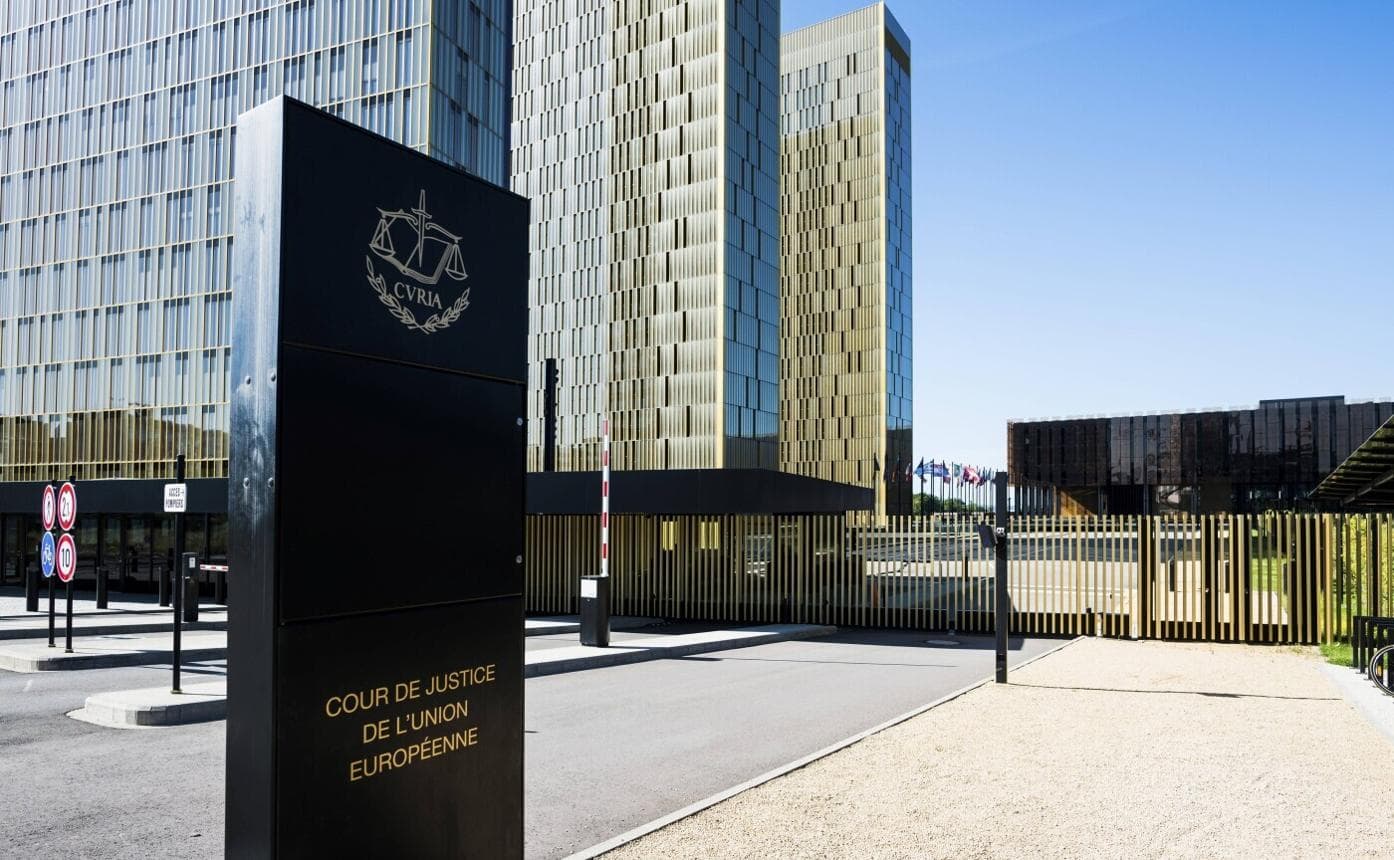
Luxembourg: When wildfires tear across southern Europe or floods swallow a valley, the Union’s answer of last resort is a stockpile called rescEU, a shared reserve of firefighting aircraft, generators, medical supplies and shelter that member states can call on when their own capacities run out. This week the European Court of Auditors published a special report on how that reserve performed between 2022 and 2024, and its verdict was a qualified one: useful, but stitched together with what the auditors politely called loose threads.

The numbers explain the scrutiny. Of the roughly 3.7 billion euros allocated to the Union Civil Protection Mechanism under the current long-term budget, about three-quarters, some 2.9 billion, went to rescEU, with two billion of that drawn from the NextGenerationEU recovery plan. That is a large bet on a mechanism the auditors found the Commission had genuinely needed and, on the whole, used to good effect: activations of the wider mechanism rose to 657 between 2020 and 2024, a fourfold jump on the previous five years.

But the report identifies weaknesses that blunt the reserve’s promise. The Commission, the auditors write, properly identified what Europe lacked and planned purchases accordingly, yet in several cases it lacked reliable information on what member states actually needed. Its funding criteria, they argue, nudged countries to compete against one another for grants rather than pool their orders, an incentive at odds with the very idea of a shared reserve. Deliveries sometimes fell short of legal requirements too: electricity generators did not always reach disaster zones within the mandated twelve hours, partly because logistical data was incomplete.

Hanging over all of it is a budgetary cliff. Maintenance of the stockpiles is funded only until the NextGenerationEU projects wind up in September, leaving open the question of who pays to keep the aircraft airworthy and the supplies stocked once the recovery money runs dry. For a reserve meant to be ready at a moment’s notice, an expiry date on its upkeep is precisely the kind of loose thread that unravels in an emergency.

Why this matters goes beyond accounting. Climate change is lengthening and intensifying the disaster season that rescEU exists to answer, and the mechanism’s credibility rests on capacities being available when a member state’s own resources are exhausted. A reserve that cannot guarantee its own maintenance, or that rewards competition over cooperation, risks being found wanting at the worst possible moment.

The auditors set out recommendations rather than verdicts: align funding more closely with real needs, encourage member states to cooperate instead of compete, simplify reimbursement for emergency deployments, and secure the capacities beyond the life of the recovery projects. The Commission now has to respond, and the coming negotiations over the next long-term budget will show whether the political appetite exists to put the reserve on a durable footing. Until then, the safety net remains real, but knotted in places its designers would rather not advertise as another difficult summer approaches.