Narva: In this Estonian town on the Russian border, mayors have spent years watching cohesion funding arrive slowly and leave little behind. A revamped EU deal now promises to change how fast that money moves and what it can buy.
The European Parliament has approved a mid-term overhaul of the bloc’s cohesion policy, the vast investment programme that channels the European Regional Development Fund, the Cohesion Fund and the Just Transition Fund into poorer regions. Lawmakers backed the reform by 440 votes to 168, opening the current 2021-2027 budget to priorities barely imagined when it was drafted.
Regions can now redirect unspent allocations toward defence industrial capacity, military mobility, water resilience, affordable housing, decarbonisation and strategic technologies. Governments that shift money into these areas will receive an extra 20 percent of one-off pre-financing on the reallocated amounts, plus co-financing rates that climb ten percentage points higher than before.
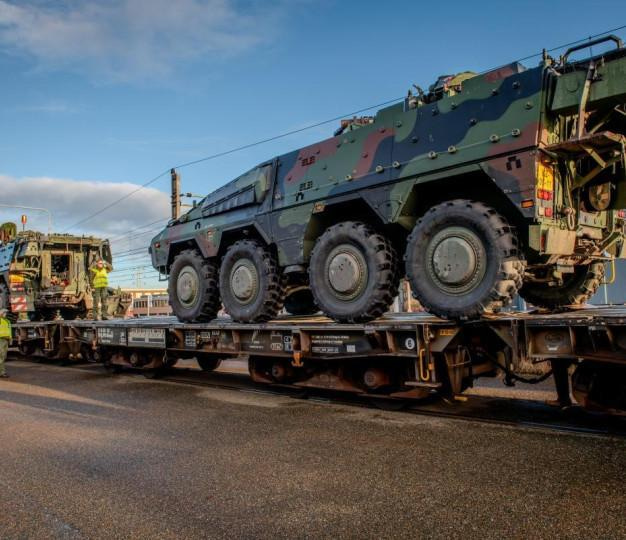
The package reserves special attention for regions that border Russia, Belarus and Ukraine. Places like Narva, long treated as the quiet edge of the Union, suddenly sit at the centre of its security thinking. Local authorities argue that dual-use infrastructure, roads that carry both commuters and armoured vehicles, bridges rated for heavier loads, deserves the urgency Brussels once reserved for climate projects.
Supporters say the flexibility rescues billions that might otherwise expire unspent. Critics counter that bending regional funds toward barracks and logistics risks hollowing out their original purpose, which was to narrow the gap between rich and poor corners of Europe. The Commission insists the two goals reinforce each other, on the logic that no region prospers under threat.
Parliament set out its account of the vote here, and the Commission describes the current cohesion framework here.
The stakes reach beyond this budget. For the 2028-2034 period, the Commission wants to fold cohesion, farm subsidies, migration and security spending into a single framework built around National and Regional Partnership Plans. Regional leaders fear that national capitals will capture the money and sideline them, and they treat the current fight as a rehearsal for that larger battle.
For now, mayors along the eastern frontier will take what they can get. The faster cash and richer co-financing give them a rare chance to build before the next budget resets the rules again.