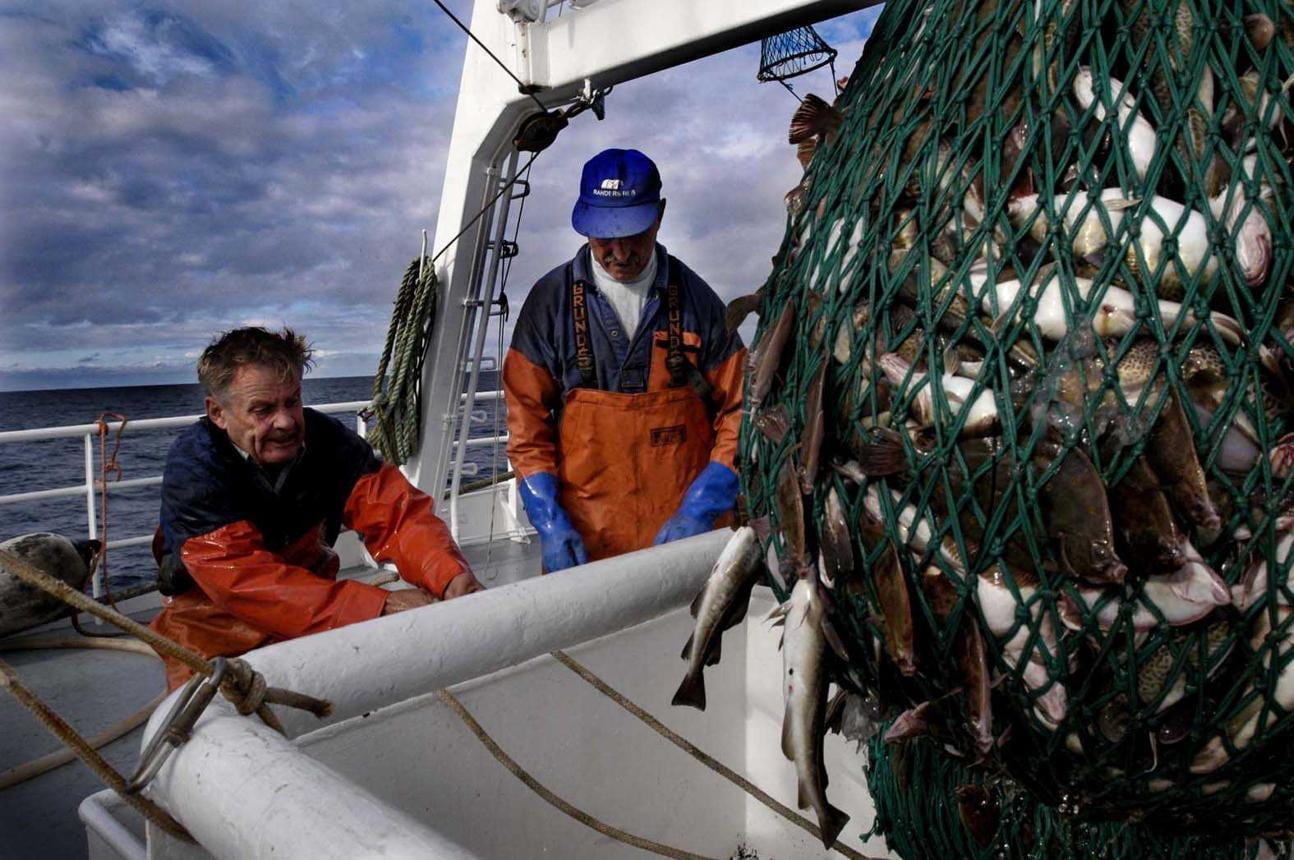
Vigo: On the quaysides of Galicia’s biggest fishing port, the argument over how Europe treats its seabed is anything but abstract. As the Commission’s public consultation on a future European Ocean Act closed in mid-July, the practice of bottom trawling stood squarely at the centre of a fight that pits fishing communities against conservation science.
The consultation feeds a promised Ocean Act, new legislation the Commission intends to unveil by the end of 2026. It grows out of the European Ocean Pact, a framework meant to knit together the bloc’s scattered rules on fisheries, marine protection and the blue economy into a single, coherent whole.
Trawling is where the coherence breaks down. The method drags weighted nets across the seabed and lands a large share of Europe’s whitefish, yet it also churns habitats and releases carbon locked in marine sediment. Environmental groups want it phased out of marine protected areas, arguing that a protected zone open to trawling protects almost nothing.
The industry rejects the premise. The European Bottom Fishing Alliance calls for region-by-region rules that reflect local conditions and the sector’s role in food security, warning that blanket bans would gut fleets and coastal jobs without a clear ecological payoff. To fishers, the trawler is not a villain but a livelihood.
The economics are contested rather than settled. One analysis for green campaigners put the net gain from ending trawling in protected areas at billions of euros over two decades, counting tourism, carbon and stock recovery. Fishing bodies dispute those figures and point to the immediate wages and landings a ban would erase.
Ministers have so far declined to force the issue. Fisheries councils have repeatedly stopped short of the Commission’s push toward low-impact methods, and legal challenges over untackled trawling in protected zones have followed. The Commission’s own materials on the pact sit on its oceans portal. Campaigners have taken several cases to court, arguing that permitting trawlers inside designated sanctuaries breaches the bloc’s own conservation commitments.
What the consultation gathers now will shape how hard the Ocean Act bites. A tough draft could set a firm timeline for clearing trawlers out of protected waters; a softer one could hand the decision back to national capitals, where fishing lobbies carry real weight.
Either way, the seabed debate is no longer a niche concern. It has become a test of whether Europe can reconcile a working fishing fleet with the marine recovery its own climate and biodiversity targets demand, and Galicia’s docks will feel the answer first.