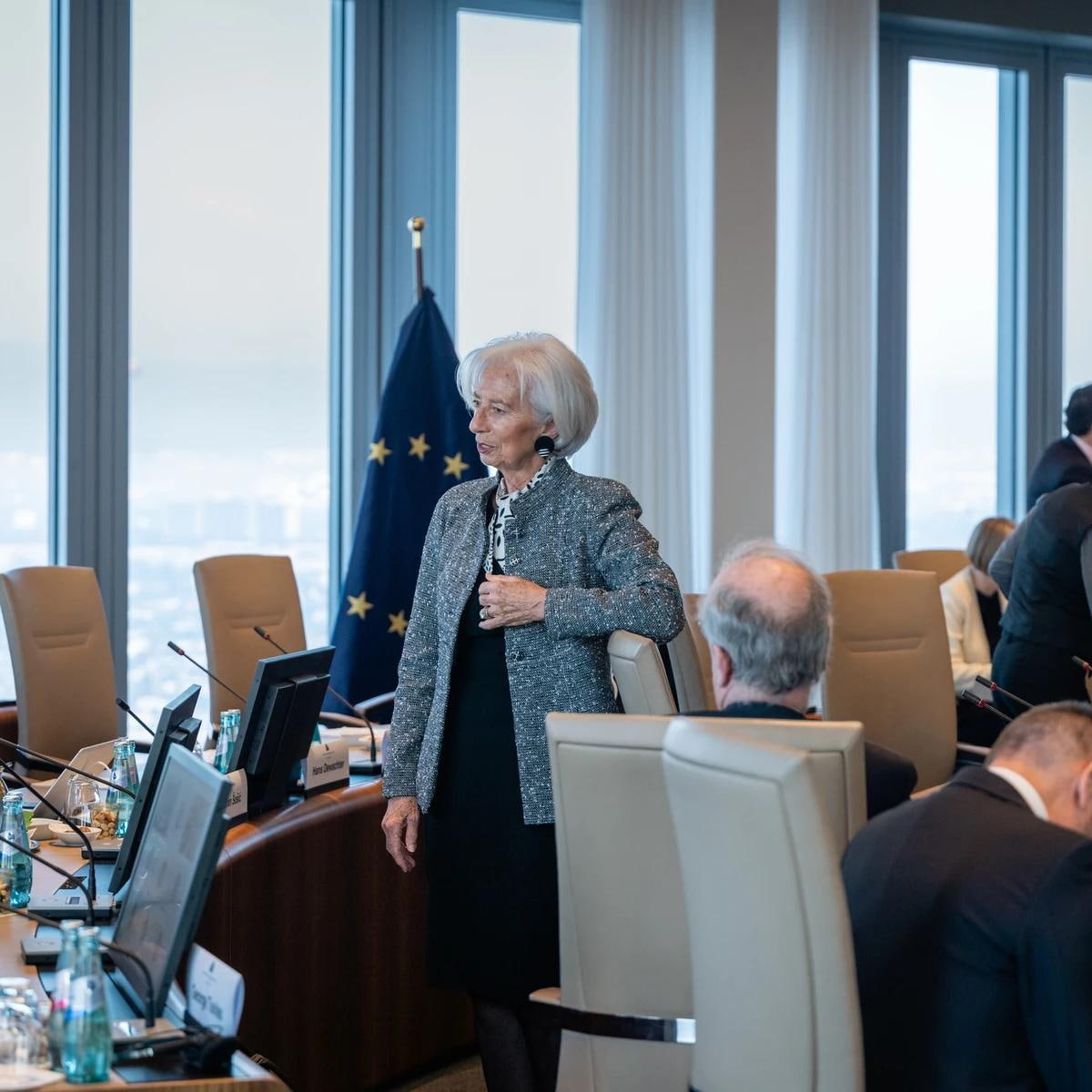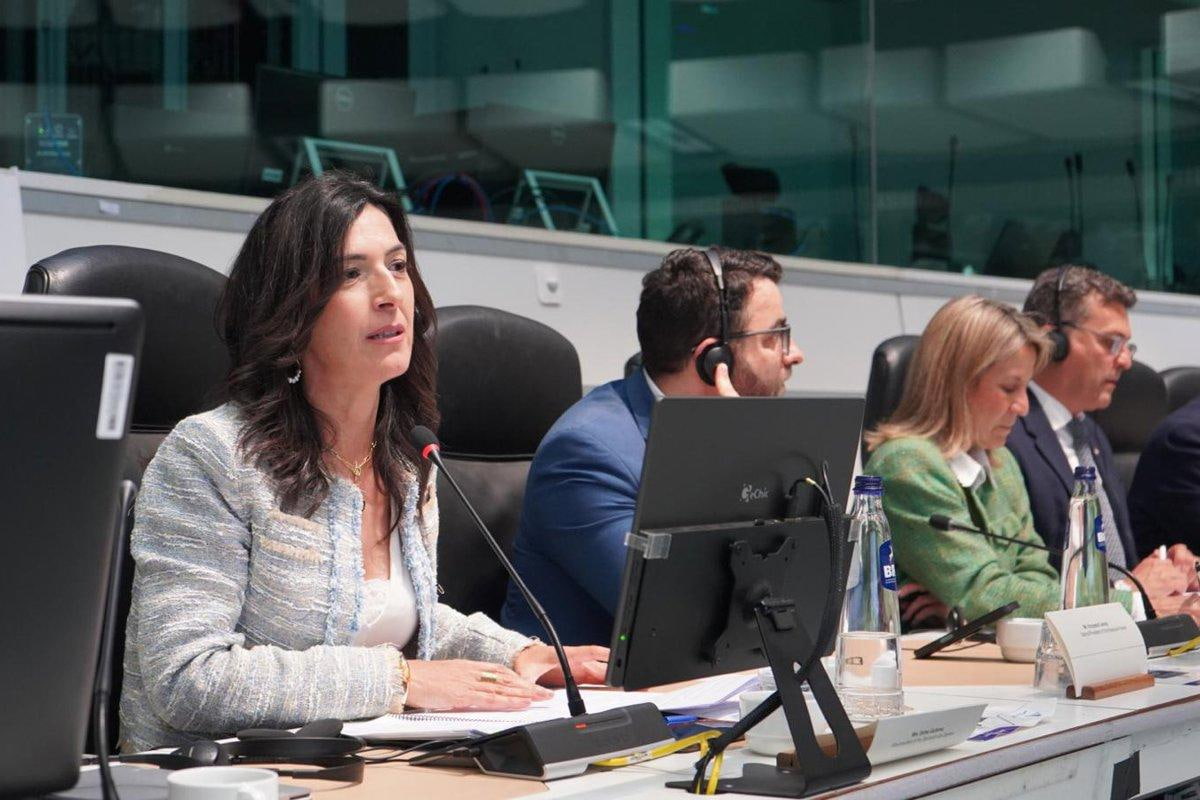
Cáceres: Extremadura is about as far from the Bug and the Narva as a European region can be, which made it a slightly pointed venue for a discussion about what the Union owes the regions that sit beside Russia, Belarus and Ukraine. The Committee of the Regions’ commission for territorial cohesion policy and the EU budget, COTER, held its annual external meeting there on 17 September 2026, at the invitation of the president of Extremadura, María Guardiola Martín, and adopted a draft opinion on the eastern border regions while air-raid sirens were sounding a couple of thousand kilometres to the north-east.
The substance of that opinion is a refusal. Rapporteur Adam Struzik, marshal of the Mazowieckie voivodeship, secured language insisting that new security-related funding must be “additional, stable and long-term” rather than assembled from a reallocation of existing cohesion resources. That sentence is the whole argument in compressed form. The mid-term review of the 2021-2027 programmes has already moved some €34.6 billion into defence readiness, competitiveness, housing and water resilience, and the eastern regions have watched that exercise closely enough to know how it works. Flexibility, applied twice to the same envelope, becomes substitution.
The second move in the opinion is definitional and may prove more durable. COTER proposes identifying the eastern border regions by geopolitical exposure rather than by the location of a boundary line. Struzik put the reasoning plainly: the economic, social and security consequences of the current situation do not stop at administrative borders. A logistics corridor, a rail terminus or a defence supplier two hundred kilometres inside Poland or Romania carries exposure that a map of NUTS-2 units does not register. Eligibility drawn by adjacency would fund the wrong places precisely.
Members also adopted a draft opinion on the EU Ports Strategy, which the Commission published on 4 March. Rapporteur Keven Cauchi, mayor of Għajnsielem on Gozo, argued for ports to be treated as drivers of regional development rather than as transport assets that happen to sit in a region — a distinction with obvious weight for islands, outermost territories and peripheral coasts, and with obvious budgetary consequences if accepted. Both opinions go to the CoR plenary on 2 and 3 December for final adoption.
Around those two texts sat a longer agenda that says something about where regional policy is drifting. Members debated the Outermost Regions Package published earlier in September, with Thibault Lechat-Vega of Guyana preparing the response, and a forthcoming strategy for islands under Noel Formosa of San Lawrenz. Andres Jaadla of Rakvere was appointed rapporteur on the Affordable Housing Act and Arianna Censi of Milan on autonomous driving. A separate debate ran under the heading “The Right to Stay”. None of these is cohesion policy in the classical sense of convergence funding, and all of them now arrive through cohesion channels.
The timing is not incidental. Negotiations on the 2028-2034 budget are approaching the point where the shape of the next generation of funds becomes difficult to reverse, and the Commission’s proposal to route much of the money through national plans has left regional authorities arguing for a seat they used to hold by right. COTER chair Vasco Alves Cordeiro used the meeting to restate what the committee believes weakening cohesion policy would cost local and regional government; Guardiola’s contribution was the complementary claim that Europe cannot reach its stated goals without regions as partners rather than implementers.
Whether any of this registers is another question. The committee is consultative, its opinions are advisory, and the file that matters is being decided between capitals and the Parliament. But the eastern border opinion contains a sentence that budget negotiators will find hard to ignore, because it identifies the precise trick available to them — paying for security out of the convergence envelope and calling it flexibility — and names it in advance. On 5 October the committee’s presidents reconvene in Katowice to debate the future of EU funds after 2027. The line on additionality will be tested there.