August 9, 2026
LATEST
New EU Gas Market Rules Take Effect With Consumer SafeguardsDeforestation Regulation Holds Its December Deadline Despite CutsDigital Omnibus Delays Europe’s High-Risk AI Deadline to 2027Europe’s Schools Confront a Widening Basic Skills GapRule of Law Report Finds Progress but Trust Still LagsIRIS2 Gains 66 Satellites as Brussels Signs the Rollout DealNature Restoration Plans Come Due as Member States Race a DeadlineECB Rates Hold at 2.25 Percent as Frankfurt Waits on the DataEU Budget Talks Turn to Cohesion as Ireland Takes OverWildfire Response Stretches Europe’s Emergency Fleet ThinCan Europe’s Quantum Plan Match Its Big Ambitions?Armenia Edges West as Moscow’s Grip Slips AwayEurope Inherits the World’s Aid Bill It Cannot Fully PayAir Passenger Rights Get Their First Overhaul in Two DecadesErasmus Opens a 5 Billion Euro Round for Skills and MobilityCeuta Crisis Pushes the EU Toward Faster Migrant ReturnsBulky Parcels Face a Packaging Crackdown From August 12Can Europe Build Its Drone Wall Before 2030 Arrives?Indonesia’s Trade Deal With Europe Nears Its Final SignatureEurope Leans on Beijing to Keep Climate Talks Alive Before AntalyaNew EU Gas Market Rules Take Effect With Consumer SafeguardsDeforestation Regulation Holds Its December Deadline Despite CutsDigital Omnibus Delays Europe’s High-Risk AI Deadline to 2027Europe’s Schools Confront a Widening Basic Skills GapRule of Law Report Finds Progress but Trust Still LagsIRIS2 Gains 66 Satellites as Brussels Signs the Rollout DealNature Restoration Plans Come Due as Member States Race a DeadlineECB Rates Hold at 2.25 Percent as Frankfurt Waits on the DataEU Budget Talks Turn to Cohesion as Ireland Takes OverWildfire Response Stretches Europe’s Emergency Fleet ThinCan Europe’s Quantum Plan Match Its Big Ambitions?Armenia Edges West as Moscow’s Grip Slips AwayEurope Inherits the World’s Aid Bill It Cannot Fully PayAir Passenger Rights Get Their First Overhaul in Two DecadesErasmus Opens a 5 Billion Euro Round for Skills and MobilityCeuta Crisis Pushes the EU Toward Faster Migrant ReturnsBulky Parcels Face a Packaging Crackdown From August 12Can Europe Build Its Drone Wall Before 2030 Arrives?Indonesia’s Trade Deal With Europe Nears Its Final SignatureEurope Leans on Beijing to Keep Climate Talks Alive Before Antalya
August 9, 2026
LATEST
New EU Gas Market Rules Take Effect With Consumer SafeguardsDeforestation Regulation Holds Its December Deadline Despite CutsDigital Omnibus Delays Europe’s High-Risk AI Deadline to 2027Europe’s Schools Confront a Widening Basic Skills GapRule of Law Report Finds Progress but Trust Still LagsIRIS2 Gains 66 Satellites as Brussels Signs the Rollout DealNature Restoration Plans Come Due as Member States Race a DeadlineECB Rates Hold at 2.25 Percent as Frankfurt Waits on the DataEU Budget Talks Turn to Cohesion as Ireland Takes OverWildfire Response Stretches Europe’s Emergency Fleet ThinCan Europe’s Quantum Plan Match Its Big Ambitions?Armenia Edges West as Moscow’s Grip Slips AwayEurope Inherits the World’s Aid Bill It Cannot Fully PayAir Passenger Rights Get Their First Overhaul in Two DecadesErasmus Opens a 5 Billion Euro Round for Skills and MobilityCeuta Crisis Pushes the EU Toward Faster Migrant ReturnsBulky Parcels Face a Packaging Crackdown From August 12Can Europe Build Its Drone Wall Before 2030 Arrives?Indonesia’s Trade Deal With Europe Nears Its Final SignatureEurope Leans on Beijing to Keep Climate Talks Alive Before AntalyaNew EU Gas Market Rules Take Effect With Consumer SafeguardsDeforestation Regulation Holds Its December Deadline Despite CutsDigital Omnibus Delays Europe’s High-Risk AI Deadline to 2027Europe’s Schools Confront a Widening Basic Skills GapRule of Law Report Finds Progress but Trust Still LagsIRIS2 Gains 66 Satellites as Brussels Signs the Rollout DealNature Restoration Plans Come Due as Member States Race a DeadlineECB Rates Hold at 2.25 Percent as Frankfurt Waits on the DataEU Budget Talks Turn to Cohesion as Ireland Takes OverWildfire Response Stretches Europe’s Emergency Fleet ThinCan Europe’s Quantum Plan Match Its Big Ambitions?Armenia Edges West as Moscow’s Grip Slips AwayEurope Inherits the World’s Aid Bill It Cannot Fully PayAir Passenger Rights Get Their First Overhaul in Two DecadesErasmus Opens a 5 Billion Euro Round for Skills and MobilityCeuta Crisis Pushes the EU Toward Faster Migrant ReturnsBulky Parcels Face a Packaging Crackdown From August 12Can Europe Build Its Drone Wall Before 2030 Arrives?Indonesia’s Trade Deal With Europe Nears Its Final SignatureEurope Leans on Beijing to Keep Climate Talks Alive Before Antalya

Carpathian Catch-Up: Cohesion Spending at 13.5% Tests Brussels Plans

Cluj-Napoca: A fresh round of figures circulated among regional policy ministers this month has hardened concerns that the 2021-2027 cohesion envelope is being executed too slowly to make a meaningful difference to convergence in Central and Eastern Europe. Of the €378 billion in cohesion policy commitments scheduled for the current cycle, only about 13.5% had actually been disbursed from the EU budget by the most recent reporting cut-off, and Member States themselves had implemented just 11% of planned spending on the ground. With less than two years left in the programming period before the n+3 decommitment clock starts removing unused allocations, the gap between political ambition and absorption capacity has become impossible to ignore.

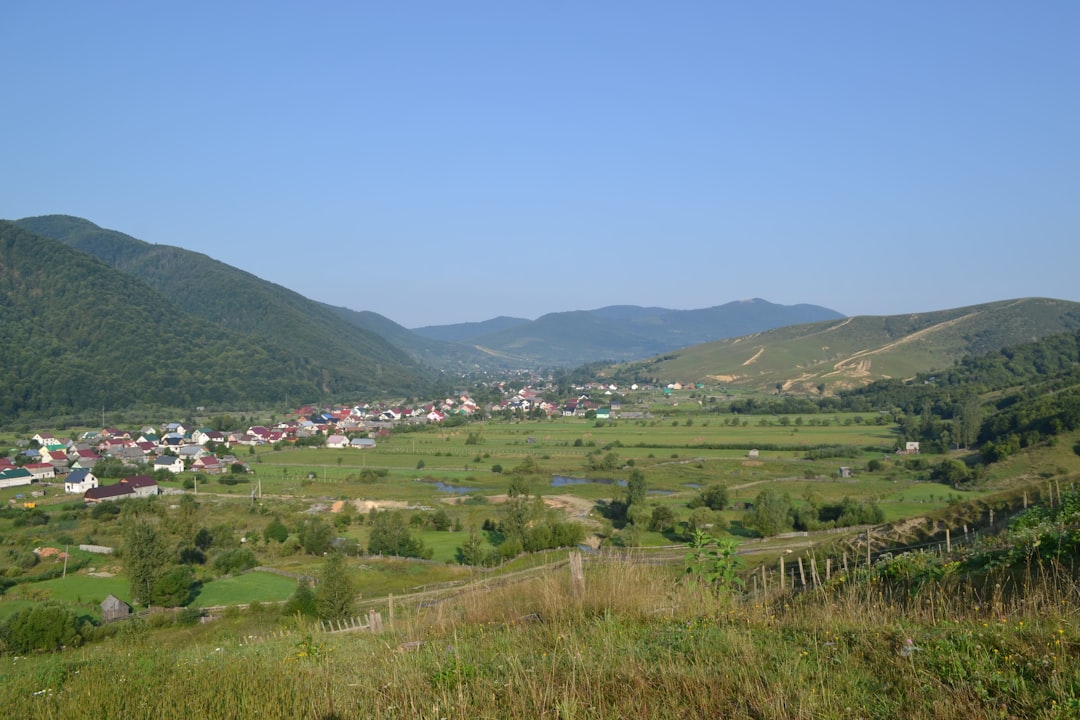
For regions in Romania’s north-west, including the Cluj cluster around Transylvania’s largest university and the surrounding Carpathian counties, the implementation lag is more than a statistical concern. The European Regional Development Fund and the Cohesion Fund are meant to co-finance the road, rail and water infrastructure that would close the productivity gap with the EU-27 mean. Slow disbursement, in practice, means deferred bridges, delayed wastewater treatment plants and rural broadband projects that slip from one annual procurement plan to the next.

The wider cohesion architecture currently mobilises €392 billion in EU funds across the 2021-2027 period, rising to roughly half a trillion euros once national co-financing is included. Of this, €93.3 billion is earmarked under the ERDF and Cohesion Fund for Policy Objective 2, a “Greener Europe,” with a further €3.4 billion ring-fenced for cross-border Interreg cooperation that touches on climate adaptation. These envelopes were designed when the inflationary shock of 2022-2023 had not yet repriced construction costs, and national managing authorities now report that earlier project budgets must be rescoped before tenders can be relaunched.

The Commission’s response, sketched out in proposals for the 2028-2034 budget, is structural rather than incremental. The intention is to fold cohesion, agriculture, migration and security policies into a single framework built around National and Regional Partnership Plans, modelled on the performance-based logic of the Recovery and Resilience Facility. Disbursement would shift from reimbursement of declared expenditure to payment on the delivery of measurable milestones, an architectural choice that supporters say will accelerate execution and critics say will weaken the territorial focus that gave cohesion policy its political identity.

Bruegel analysts have warned that consolidating four policies into one envelope risks producing a fund that is operationally larger but politically weaker, because the regional voice in design and oversight would be mediated almost entirely through capitals rather than through directly elected regional bodies. Mayors from Romania’s north-west, alongside counterparts in Poland’s eastern voivodeships and Bulgaria’s south-central planning region, have lobbied for retention of dedicated regional envelopes regardless of the broader architectural shift.

For the remainder of 2026, however, the operative question is execution. Member States must clear several billion euros in pending claims if they are to avoid significant n+3 decommitments at year-end, and the Commission’s directorate-general for regional and urban policy has signalled that it will press national authorities to submit interim payment applications before the autumn. Without that acceleration, the very regions that the 2028-2034 reform is meant to support will reach the start of the next cycle having absorbed only a fraction of what the current one promised.