August 9, 2026
LATEST
New EU Gas Market Rules Take Effect With Consumer SafeguardsDeforestation Regulation Holds Its December Deadline Despite CutsDigital Omnibus Delays Europe’s High-Risk AI Deadline to 2027Europe’s Schools Confront a Widening Basic Skills GapRule of Law Report Finds Progress but Trust Still LagsIRIS2 Gains 66 Satellites as Brussels Signs the Rollout DealNature Restoration Plans Come Due as Member States Race a DeadlineECB Rates Hold at 2.25 Percent as Frankfurt Waits on the DataEU Budget Talks Turn to Cohesion as Ireland Takes OverWildfire Response Stretches Europe’s Emergency Fleet ThinCan Europe’s Quantum Plan Match Its Big Ambitions?Armenia Edges West as Moscow’s Grip Slips AwayEurope Inherits the World’s Aid Bill It Cannot Fully PayAir Passenger Rights Get Their First Overhaul in Two DecadesErasmus Opens a 5 Billion Euro Round for Skills and MobilityCeuta Crisis Pushes the EU Toward Faster Migrant ReturnsBulky Parcels Face a Packaging Crackdown From August 12Can Europe Build Its Drone Wall Before 2030 Arrives?Indonesia’s Trade Deal With Europe Nears Its Final SignatureEurope Leans on Beijing to Keep Climate Talks Alive Before AntalyaNew EU Gas Market Rules Take Effect With Consumer SafeguardsDeforestation Regulation Holds Its December Deadline Despite CutsDigital Omnibus Delays Europe’s High-Risk AI Deadline to 2027Europe’s Schools Confront a Widening Basic Skills GapRule of Law Report Finds Progress but Trust Still LagsIRIS2 Gains 66 Satellites as Brussels Signs the Rollout DealNature Restoration Plans Come Due as Member States Race a DeadlineECB Rates Hold at 2.25 Percent as Frankfurt Waits on the DataEU Budget Talks Turn to Cohesion as Ireland Takes OverWildfire Response Stretches Europe’s Emergency Fleet ThinCan Europe’s Quantum Plan Match Its Big Ambitions?Armenia Edges West as Moscow’s Grip Slips AwayEurope Inherits the World’s Aid Bill It Cannot Fully PayAir Passenger Rights Get Their First Overhaul in Two DecadesErasmus Opens a 5 Billion Euro Round for Skills and MobilityCeuta Crisis Pushes the EU Toward Faster Migrant ReturnsBulky Parcels Face a Packaging Crackdown From August 12Can Europe Build Its Drone Wall Before 2030 Arrives?Indonesia’s Trade Deal With Europe Nears Its Final SignatureEurope Leans on Beijing to Keep Climate Talks Alive Before Antalya
August 9, 2026
LATEST
New EU Gas Market Rules Take Effect With Consumer SafeguardsDeforestation Regulation Holds Its December Deadline Despite CutsDigital Omnibus Delays Europe’s High-Risk AI Deadline to 2027Europe’s Schools Confront a Widening Basic Skills GapRule of Law Report Finds Progress but Trust Still LagsIRIS2 Gains 66 Satellites as Brussels Signs the Rollout DealNature Restoration Plans Come Due as Member States Race a DeadlineECB Rates Hold at 2.25 Percent as Frankfurt Waits on the DataEU Budget Talks Turn to Cohesion as Ireland Takes OverWildfire Response Stretches Europe’s Emergency Fleet ThinCan Europe’s Quantum Plan Match Its Big Ambitions?Armenia Edges West as Moscow’s Grip Slips AwayEurope Inherits the World’s Aid Bill It Cannot Fully PayAir Passenger Rights Get Their First Overhaul in Two DecadesErasmus Opens a 5 Billion Euro Round for Skills and MobilityCeuta Crisis Pushes the EU Toward Faster Migrant ReturnsBulky Parcels Face a Packaging Crackdown From August 12Can Europe Build Its Drone Wall Before 2030 Arrives?Indonesia’s Trade Deal With Europe Nears Its Final SignatureEurope Leans on Beijing to Keep Climate Talks Alive Before AntalyaNew EU Gas Market Rules Take Effect With Consumer SafeguardsDeforestation Regulation Holds Its December Deadline Despite CutsDigital Omnibus Delays Europe’s High-Risk AI Deadline to 2027Europe’s Schools Confront a Widening Basic Skills GapRule of Law Report Finds Progress but Trust Still LagsIRIS2 Gains 66 Satellites as Brussels Signs the Rollout DealNature Restoration Plans Come Due as Member States Race a DeadlineECB Rates Hold at 2.25 Percent as Frankfurt Waits on the DataEU Budget Talks Turn to Cohesion as Ireland Takes OverWildfire Response Stretches Europe’s Emergency Fleet ThinCan Europe’s Quantum Plan Match Its Big Ambitions?Armenia Edges West as Moscow’s Grip Slips AwayEurope Inherits the World’s Aid Bill It Cannot Fully PayAir Passenger Rights Get Their First Overhaul in Two DecadesErasmus Opens a 5 Billion Euro Round for Skills and MobilityCeuta Crisis Pushes the EU Toward Faster Migrant ReturnsBulky Parcels Face a Packaging Crackdown From August 12Can Europe Build Its Drone Wall Before 2030 Arrives?Indonesia’s Trade Deal With Europe Nears Its Final SignatureEurope Leans on Beijing to Keep Climate Talks Alive Before Antalya

Chips Act 2.0 Doubles Down As Europe Chases Its Lost Ground

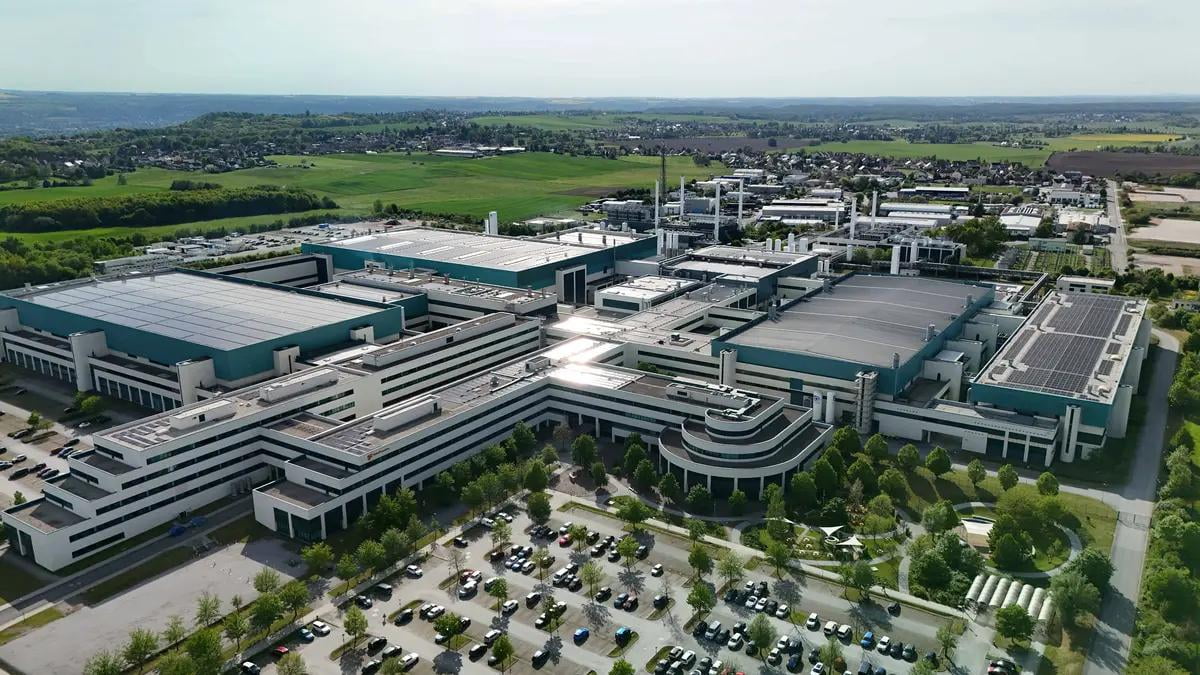
Eindhoven: In the cluster of laboratories and fabrication suppliers that orbit this Dutch city, the heart of Europe’s chip-making supply chain, the Commission’s latest move was greeted less as a surprise than as an admission. Three years after the EU’s first attempt to claw back semiconductor ground, a sequel has arrived, and its existence concedes that the first effort, for all the investment it unlocked, did not go far enough.

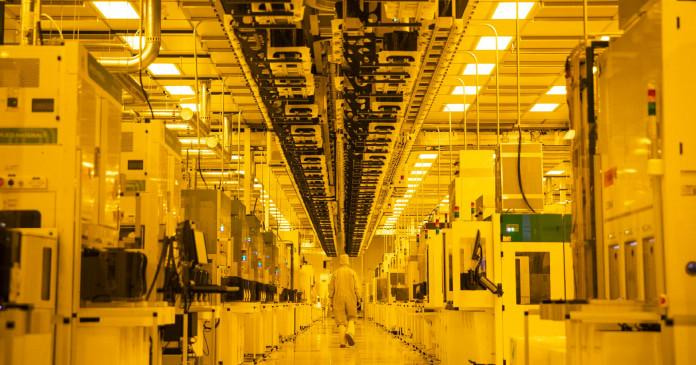
The Commission proposed a Chips Act 2.0 in June 2026, presenting it as a set of measures to deepen the chips industry’s roots in Europe, reduce strategic dependencies and push the bloc further up the value chain toward the most advanced production. It builds on the European Chips Act of 2023, which set an ambition of doubling the EU’s share of global semiconductor manufacturing and which, by the Commission’s own accounting, has helped catalyse more than €80 billion in chip-related investment, nearly twice the €43 billion the original plan hoped to mobilise.

That headline figure conceals a more uncomfortable picture, and it is the gap between investment and market share that the sequel is meant to close. Mobilising capital is one thing; translating it into a competitive position in the most advanced nodes, where a handful of firms in Asia and the United States dominate, is another. European policymakers have grown increasingly candid that the first Chips Act succeeded in attracting plants and announcements without yet shifting the bloc’s structural dependence on imported leading-edge components, a dependence laid bare during the pandemic-era shortages that idled car factories across the continent.

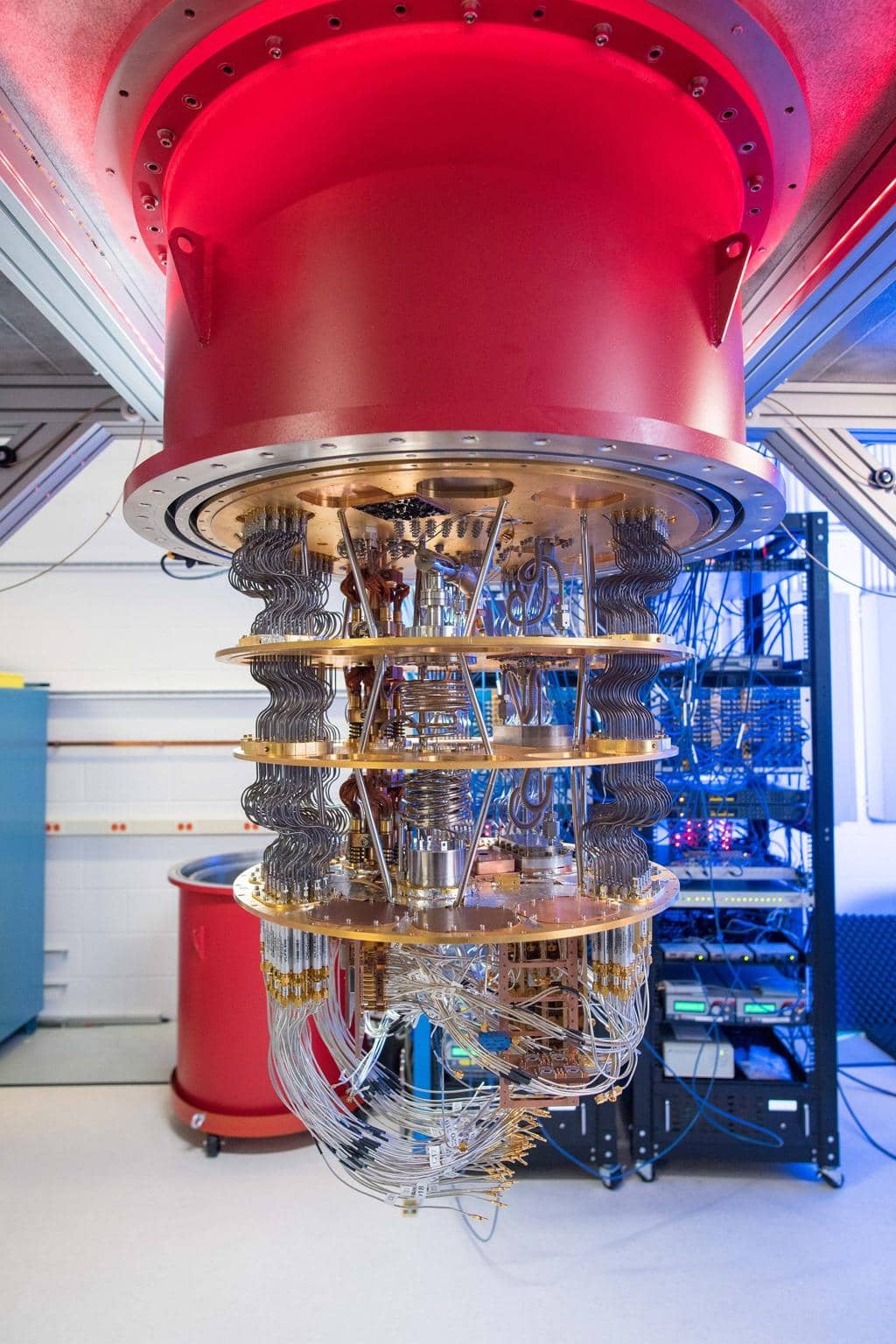
Running alongside the chips effort is a parallel push on quantum technology. A call for evidence is open to shape a future European Quantum Act, slated for adoption during 2026, which envisages a quantum design facility and a network of quantum chip pilot lines backed by public funding, while Horizon Europe has opened dedicated quantum-chip calls worth tens of millions of euros, including design and enabling-technology strands launching over the summer. The pairing is deliberate: officials want Europe to avoid repeating in quantum the mistake many believe it made in classical semiconductors, namely funding the science generously while letting the manufacturing and commercialisation migrate elsewhere.

For the research-and-innovation ecosystem around Eindhoven, the practical stakes are immediate. The region already hosts critical links in the global chip supply chain, particularly in the lithography equipment without which advanced fabrication is impossible, and any EU strategy that strengthens those links carries direct local consequence. The risk that industry figures quietly raise is the familiar one: that a second act, like the first, generates investment headlines and subsidy competition between member states without resolving the underlying question of whether Europe can sustain a leading-edge fab at globally competitive cost.

The deeper test is whether Chips Act 2.0 represents genuine learning or merely escalation. Doubling down on a strategy that fell short of its central goal can mean two very different things: a refined approach that fixes what the first attempt missed, or a larger version of the same bet. Which one the sequel turns out to be will not be clear from the proposal itself, but from whether, a few years on, Europe is designing and building the chips it now mostly imports, or simply funding more attempts to.