Alicante: In the warehouses and back rooms of Spain’s Mediterranean coast, investigators have broken apart a lucrative trade in illegal tobacco, and cigarette smuggling across Europe just lost one of its busiest supply lines.
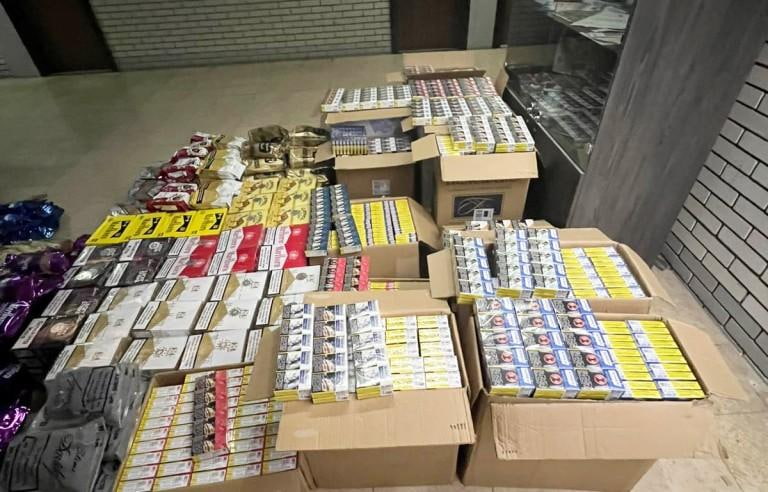
The European Anti-Fraud Office announced on 9 July 2026 that it had joined national forces and Europol to dismantle a network suspected of manufacturing, distributing and trafficking counterfeit tobacco worth an estimated ten million euro. The haul was striking: more than 20 million cigarettes and over 38 tonnes of tobacco leaf and cut tobacco, seized before they could reach the street.
Officers also confiscated 18 vehicles, manufacturing equipment, encrypted devices, around 170,000 euro in cash and several firearms. Fifty people were arrested, two of them later handed to Polish authorities, in an operation that stretched across borders as easily as the smuggling it targeted.
The raids concentrated on Spain, where investigators carried out searches across the provinces of Alicante, Cuenca, Huelva, Murcia, Seville and Toledo. Behind them stood an unusually broad coalition: Spain’s Guardia Civil, Poland’s Central Bureau of Investigation, Portugal’s National Republican Guard and Lithuania’s customs criminal service, coordinated with the anti-fraud office and Europol.
The case illustrates why tobacco smuggling remains a priority for the Union’s fraud investigators. Every illicit cigarette dodges the excise duties and taxes that fund national budgets, draining public money while feeding organised crime. The office estimates such traffic costs member states and the EU budget billions each year in lost revenue.
It also shows how the fight has evolved. Modern smugglers run their own illegal factories inside the Union rather than simply importing finished packs, which forces investigators to trace machinery, raw leaf and encrypted logistics rather than a single shipment at the border. Details of the operation appear on the Anti-Fraud Office’s site.
There is a health dimension too. Counterfeit cigarettes escape every quality control that legal producers must meet, and public health bodies warn that their contents can be even more harmful than the licensed products they imitate. Cheap illicit packs also undercut the high taxes governments use to discourage smoking, quietly working against decades of tobacco policy.
For the office, the seizure lands as welcome proof of method after a year in which it recommended the recovery of almost 600 million euro in misused or evaded funds. For the criminals, the loss of a ten-million-euro pipeline is a blow, though few investigators believe it will be the last such network they uncover.
The message from Alicante is blunt. The trade is profitable, patient and armed, but it is no longer hidden, and Europe’s fraud hunters are increasingly willing to follow it wherever the smoke leads.