August 9, 2026
LATEST
New EU Gas Market Rules Take Effect With Consumer SafeguardsDeforestation Regulation Holds Its December Deadline Despite CutsDigital Omnibus Delays Europe’s High-Risk AI Deadline to 2027Europe’s Schools Confront a Widening Basic Skills GapRule of Law Report Finds Progress but Trust Still LagsIRIS2 Gains 66 Satellites as Brussels Signs the Rollout DealNature Restoration Plans Come Due as Member States Race a DeadlineECB Rates Hold at 2.25 Percent as Frankfurt Waits on the DataEU Budget Talks Turn to Cohesion as Ireland Takes OverWildfire Response Stretches Europe’s Emergency Fleet ThinCan Europe’s Quantum Plan Match Its Big Ambitions?Armenia Edges West as Moscow’s Grip Slips AwayEurope Inherits the World’s Aid Bill It Cannot Fully PayAir Passenger Rights Get Their First Overhaul in Two DecadesErasmus Opens a 5 Billion Euro Round for Skills and MobilityCeuta Crisis Pushes the EU Toward Faster Migrant ReturnsBulky Parcels Face a Packaging Crackdown From August 12Can Europe Build Its Drone Wall Before 2030 Arrives?Indonesia’s Trade Deal With Europe Nears Its Final SignatureEurope Leans on Beijing to Keep Climate Talks Alive Before AntalyaNew EU Gas Market Rules Take Effect With Consumer SafeguardsDeforestation Regulation Holds Its December Deadline Despite CutsDigital Omnibus Delays Europe’s High-Risk AI Deadline to 2027Europe’s Schools Confront a Widening Basic Skills GapRule of Law Report Finds Progress but Trust Still LagsIRIS2 Gains 66 Satellites as Brussels Signs the Rollout DealNature Restoration Plans Come Due as Member States Race a DeadlineECB Rates Hold at 2.25 Percent as Frankfurt Waits on the DataEU Budget Talks Turn to Cohesion as Ireland Takes OverWildfire Response Stretches Europe’s Emergency Fleet ThinCan Europe’s Quantum Plan Match Its Big Ambitions?Armenia Edges West as Moscow’s Grip Slips AwayEurope Inherits the World’s Aid Bill It Cannot Fully PayAir Passenger Rights Get Their First Overhaul in Two DecadesErasmus Opens a 5 Billion Euro Round for Skills and MobilityCeuta Crisis Pushes the EU Toward Faster Migrant ReturnsBulky Parcels Face a Packaging Crackdown From August 12Can Europe Build Its Drone Wall Before 2030 Arrives?Indonesia’s Trade Deal With Europe Nears Its Final SignatureEurope Leans on Beijing to Keep Climate Talks Alive Before Antalya
August 9, 2026
LATEST
New EU Gas Market Rules Take Effect With Consumer SafeguardsDeforestation Regulation Holds Its December Deadline Despite CutsDigital Omnibus Delays Europe’s High-Risk AI Deadline to 2027Europe’s Schools Confront a Widening Basic Skills GapRule of Law Report Finds Progress but Trust Still LagsIRIS2 Gains 66 Satellites as Brussels Signs the Rollout DealNature Restoration Plans Come Due as Member States Race a DeadlineECB Rates Hold at 2.25 Percent as Frankfurt Waits on the DataEU Budget Talks Turn to Cohesion as Ireland Takes OverWildfire Response Stretches Europe’s Emergency Fleet ThinCan Europe’s Quantum Plan Match Its Big Ambitions?Armenia Edges West as Moscow’s Grip Slips AwayEurope Inherits the World’s Aid Bill It Cannot Fully PayAir Passenger Rights Get Their First Overhaul in Two DecadesErasmus Opens a 5 Billion Euro Round for Skills and MobilityCeuta Crisis Pushes the EU Toward Faster Migrant ReturnsBulky Parcels Face a Packaging Crackdown From August 12Can Europe Build Its Drone Wall Before 2030 Arrives?Indonesia’s Trade Deal With Europe Nears Its Final SignatureEurope Leans on Beijing to Keep Climate Talks Alive Before AntalyaNew EU Gas Market Rules Take Effect With Consumer SafeguardsDeforestation Regulation Holds Its December Deadline Despite CutsDigital Omnibus Delays Europe’s High-Risk AI Deadline to 2027Europe’s Schools Confront a Widening Basic Skills GapRule of Law Report Finds Progress but Trust Still LagsIRIS2 Gains 66 Satellites as Brussels Signs the Rollout DealNature Restoration Plans Come Due as Member States Race a DeadlineECB Rates Hold at 2.25 Percent as Frankfurt Waits on the DataEU Budget Talks Turn to Cohesion as Ireland Takes OverWildfire Response Stretches Europe’s Emergency Fleet ThinCan Europe’s Quantum Plan Match Its Big Ambitions?Armenia Edges West as Moscow’s Grip Slips AwayEurope Inherits the World’s Aid Bill It Cannot Fully PayAir Passenger Rights Get Their First Overhaul in Two DecadesErasmus Opens a 5 Billion Euro Round for Skills and MobilityCeuta Crisis Pushes the EU Toward Faster Migrant ReturnsBulky Parcels Face a Packaging Crackdown From August 12Can Europe Build Its Drone Wall Before 2030 Arrives?Indonesia’s Trade Deal With Europe Nears Its Final SignatureEurope Leans on Beijing to Keep Climate Talks Alive Before Antalya

Cocaine Floods Europe as Overdose Deaths Keep Climbing

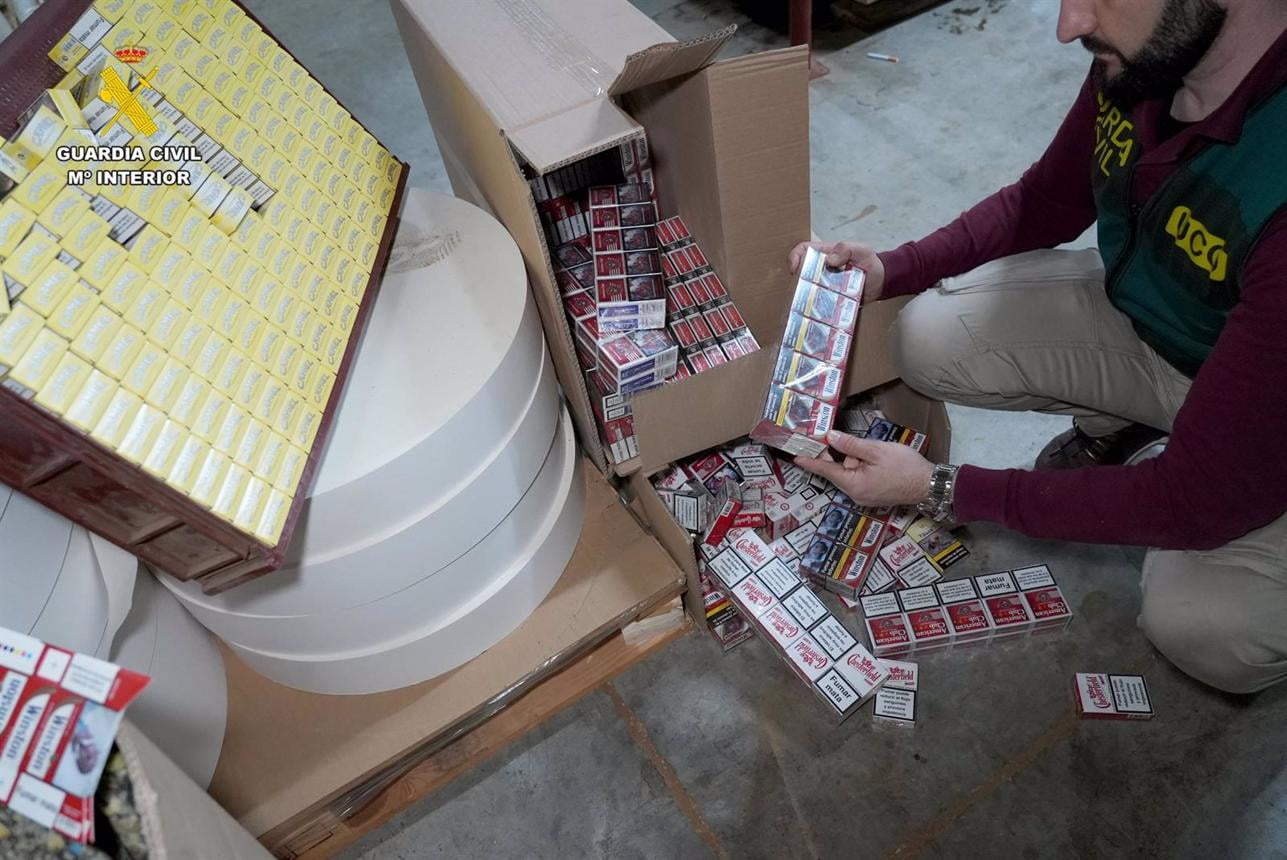
Lisbon: In the container terminals of Europe’s great northern ports, customs officers are intercepting record hauls of cocaine, and still more is getting through. The European Union Drugs Agency, the bloc’s Lisbon-based monitoring body, set out the scale of the problem in its European Drug Report 2026, published on 9 June, painting a picture of a market awash with the drug and a health system struggling to keep pace with the harm.

The figures are stark. Cocaine is now, after cannabis, the second most commonly used illicit drug in Europe, with an estimated 2.5 million young adults aged 15 to 34, around 2.5 percent of that age group, having used it in the past year. Of fourteen countries that ran fresh surveys after 2023, half recorded higher use than before. Rising consumption is feeding rising treatment demand: cocaine was the second most common primary drug among people entering specialist treatment for the first time in 2023, cited by roughly 37,000 clients, a quarter of all newcomers.

More alarming is the trajectory of crack cocaine, the cheaper, smokable form long associated with the most entrenched problem use. First-time treatment entrants citing crack as their main drug jumped 53 percent, from about 2,800 in 2018 to 4,300 in 2024, a sign the drug is spreading beyond the marginalised populations where it was once concentrated. Cocaine was involved in 1,133 drug-induced deaths in 2024 among the twenty countries reporting comparable data, 27 percent of the total, up from a year earlier.

Behind the demand sits a flood of supply. Seizures of ethyl acetate, a solvent used to process cocaine, reached 42,500 litres in 2024, evidence that extraction and refining are now happening on European soil rather than solely in the producing countries. The agency warns that growing availability is translating directly into public-health damage and drug-related crime, with violence around the trade increasingly visible in port cities.

The report sharpens a long-running policy argument. One camp insists the answer lies upstream, in dismantling the trafficking networks and hardening the ports through which the drug arrives by the tonne. Another points to the health figures and argues that enforcement alone has never shrunk a market this large, and that investment in treatment, harm reduction and prevention is what actually limits deaths. The two approaches are not mutually exclusive, but funding and political attention tend to flow to one at the expense of the other.

For national health systems, the immediate challenge is capacity, expanding treatment for a form of dependence that has no approved substitute medication of the kind used for opioids. The agency’s message is that the cocaine surge is not a passing spike but a structural shift in Europe’s drug landscape, and that the response will need to be just as durable.