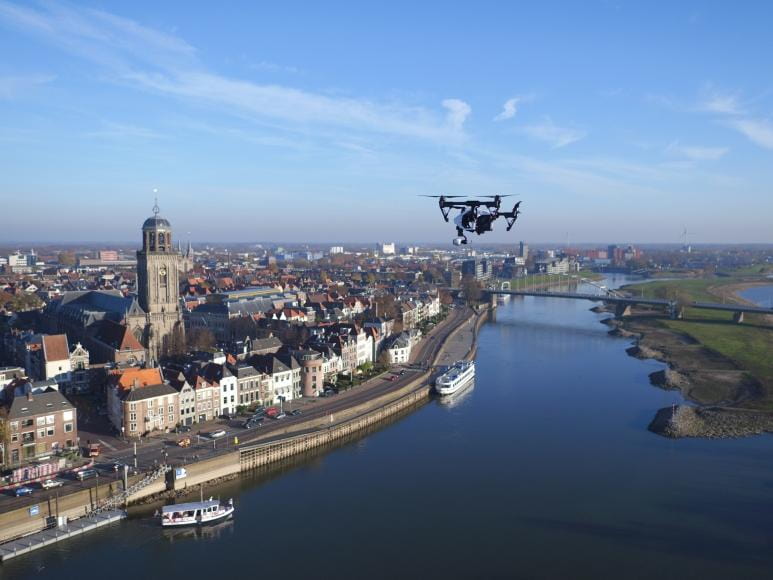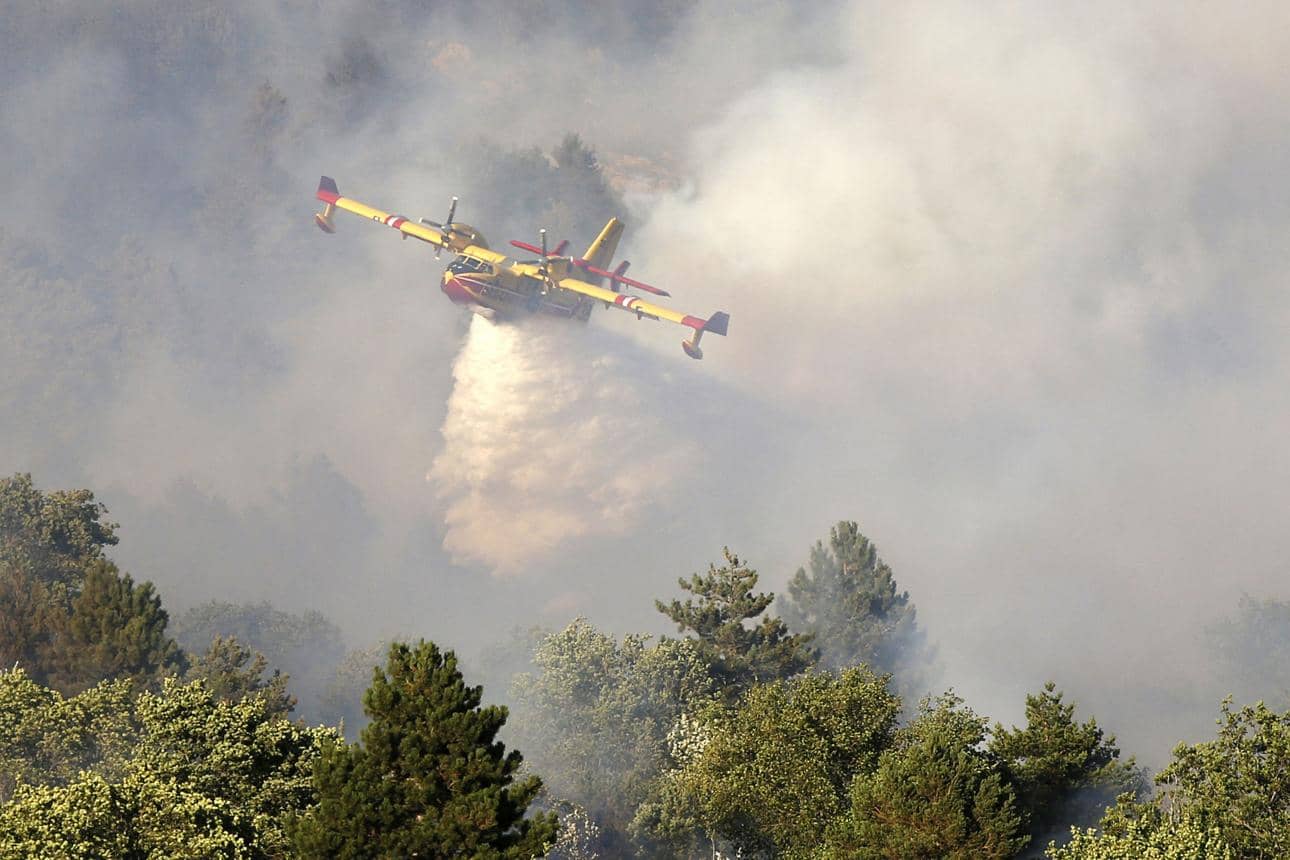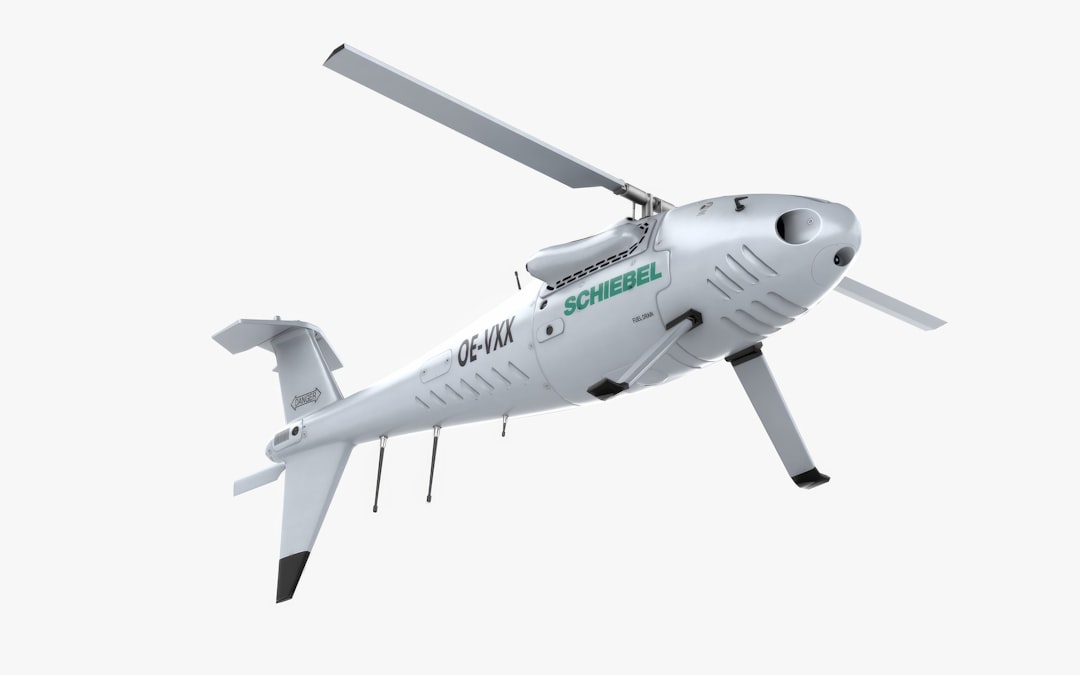
Cologne: From the campus that hosts the European Union Aviation Safety Agency, technical experts are now translating the Commission’s February action plan on drone and counter-drone security into the certification standards and operational rules that will shape the European market for unmanned aircraft over the next decade. The plan, adopted on 11 February 2026, builds on the Drone Strategy 2.0 of 2022 but reflects a security environment that has shifted markedly since then, with incursions over military sites and critical infrastructure in several member states having driven the file from a transport dossier into an interior affairs and defence one.
The Commission’s action plan identifies four operational tracks. The first concerns coordinated risk assessment across supply chains, requiring member states to share information about the provenance of components used in civilian drones operating above certain weight or use-case thresholds. The second proposes a new Drone Security Package that will update the regulatory base laid down in Regulation (EU) 2019/947 and its sister implementing acts, adding security obligations alongside the existing safety and operational categories. The third introduces an EU Trusted Drone label that manufacturers may seek to demonstrate that hardware and software meet defined security baselines, including cyber resilience and supply chain transparency. The fourth sets out a strengthened response framework for incidents involving hostile drones, including coordinated detection systems at sensitive sites.
For commercial operators in the logistics, agriculture and inspection sectors, the implications are concrete. Drones rated in the specific category under the existing operational rulebook will need to demonstrate compliance with the new security baseline before authorisations are granted or renewed, and operators of larger fleets will face additional reporting obligations to national aviation authorities. The certification track for the open category, which covers smaller drones operated within visual line of sight, will remain lighter, but procurement decisions by public buyers are already being filtered through informal versions of the Trusted Drone criteria.
The action plan landed alongside an aviation strategy consultation that the Commission opened on 24 April and that closed yesterday, 21 May. The strategy explicitly names large-scale unmanned aircraft deployment, anti-jamming and navigation technology, GNSS interference resilience and dual-use capabilities as priorities. Aerospace industry groups have used the consultation window to argue for a clearer separation between civilian rule-making and defence-driven requirements, while several member states have submitted positions calling for the opposite, namely tighter alignment between transport and security frameworks given the practical overlap.
The Commission has also revised the mandate of its Expert Group on drones and renamed it the Expert Group on drones and innovative air mobility. The reformulation widens the group’s scope to cover electric vertical take-off and landing aircraft and other emerging airframes that sit between conventional aviation and traditional drone operations. Applications to join the new group remain open until early June, with selected members serving four-year terms.
Investment flows are following the policy signals. The European Investment Bank has indicated that funding for innovative air mobility infrastructure, including vertiports and supporting digital systems, will be among the categories prioritised under the next strategic plan. Member states with significant aerospace clusters, including France, Germany, Italy, Poland and Spain, are also positioning national funds to back domestic manufacturers seeking the Trusted Drone label. Whether the regulatory ambition delivered through 2026 ends in higher costs, slower market entry or, conversely, a more resilient European drone industry will depend largely on how the legislative text now under preparation balances safeguards against the operational realities of small and medium operators.