August 9, 2026
LATEST
New EU Gas Market Rules Take Effect With Consumer SafeguardsDeforestation Regulation Holds Its December Deadline Despite CutsDigital Omnibus Delays Europe’s High-Risk AI Deadline to 2027Europe’s Schools Confront a Widening Basic Skills GapRule of Law Report Finds Progress but Trust Still LagsIRIS2 Gains 66 Satellites as Brussels Signs the Rollout DealNature Restoration Plans Come Due as Member States Race a DeadlineECB Rates Hold at 2.25 Percent as Frankfurt Waits on the DataEU Budget Talks Turn to Cohesion as Ireland Takes OverWildfire Response Stretches Europe’s Emergency Fleet ThinCan Europe’s Quantum Plan Match Its Big Ambitions?Armenia Edges West as Moscow’s Grip Slips AwayEurope Inherits the World’s Aid Bill It Cannot Fully PayAir Passenger Rights Get Their First Overhaul in Two DecadesErasmus Opens a 5 Billion Euro Round for Skills and MobilityCeuta Crisis Pushes the EU Toward Faster Migrant ReturnsBulky Parcels Face a Packaging Crackdown From August 12Can Europe Build Its Drone Wall Before 2030 Arrives?Indonesia’s Trade Deal With Europe Nears Its Final SignatureEurope Leans on Beijing to Keep Climate Talks Alive Before AntalyaNew EU Gas Market Rules Take Effect With Consumer SafeguardsDeforestation Regulation Holds Its December Deadline Despite CutsDigital Omnibus Delays Europe’s High-Risk AI Deadline to 2027Europe’s Schools Confront a Widening Basic Skills GapRule of Law Report Finds Progress but Trust Still LagsIRIS2 Gains 66 Satellites as Brussels Signs the Rollout DealNature Restoration Plans Come Due as Member States Race a DeadlineECB Rates Hold at 2.25 Percent as Frankfurt Waits on the DataEU Budget Talks Turn to Cohesion as Ireland Takes OverWildfire Response Stretches Europe’s Emergency Fleet ThinCan Europe’s Quantum Plan Match Its Big Ambitions?Armenia Edges West as Moscow’s Grip Slips AwayEurope Inherits the World’s Aid Bill It Cannot Fully PayAir Passenger Rights Get Their First Overhaul in Two DecadesErasmus Opens a 5 Billion Euro Round for Skills and MobilityCeuta Crisis Pushes the EU Toward Faster Migrant ReturnsBulky Parcels Face a Packaging Crackdown From August 12Can Europe Build Its Drone Wall Before 2030 Arrives?Indonesia’s Trade Deal With Europe Nears Its Final SignatureEurope Leans on Beijing to Keep Climate Talks Alive Before Antalya
August 9, 2026
LATEST
New EU Gas Market Rules Take Effect With Consumer SafeguardsDeforestation Regulation Holds Its December Deadline Despite CutsDigital Omnibus Delays Europe’s High-Risk AI Deadline to 2027Europe’s Schools Confront a Widening Basic Skills GapRule of Law Report Finds Progress but Trust Still LagsIRIS2 Gains 66 Satellites as Brussels Signs the Rollout DealNature Restoration Plans Come Due as Member States Race a DeadlineECB Rates Hold at 2.25 Percent as Frankfurt Waits on the DataEU Budget Talks Turn to Cohesion as Ireland Takes OverWildfire Response Stretches Europe’s Emergency Fleet ThinCan Europe’s Quantum Plan Match Its Big Ambitions?Armenia Edges West as Moscow’s Grip Slips AwayEurope Inherits the World’s Aid Bill It Cannot Fully PayAir Passenger Rights Get Their First Overhaul in Two DecadesErasmus Opens a 5 Billion Euro Round for Skills and MobilityCeuta Crisis Pushes the EU Toward Faster Migrant ReturnsBulky Parcels Face a Packaging Crackdown From August 12Can Europe Build Its Drone Wall Before 2030 Arrives?Indonesia’s Trade Deal With Europe Nears Its Final SignatureEurope Leans on Beijing to Keep Climate Talks Alive Before AntalyaNew EU Gas Market Rules Take Effect With Consumer SafeguardsDeforestation Regulation Holds Its December Deadline Despite CutsDigital Omnibus Delays Europe’s High-Risk AI Deadline to 2027Europe’s Schools Confront a Widening Basic Skills GapRule of Law Report Finds Progress but Trust Still LagsIRIS2 Gains 66 Satellites as Brussels Signs the Rollout DealNature Restoration Plans Come Due as Member States Race a DeadlineECB Rates Hold at 2.25 Percent as Frankfurt Waits on the DataEU Budget Talks Turn to Cohesion as Ireland Takes OverWildfire Response Stretches Europe’s Emergency Fleet ThinCan Europe’s Quantum Plan Match Its Big Ambitions?Armenia Edges West as Moscow’s Grip Slips AwayEurope Inherits the World’s Aid Bill It Cannot Fully PayAir Passenger Rights Get Their First Overhaul in Two DecadesErasmus Opens a 5 Billion Euro Round for Skills and MobilityCeuta Crisis Pushes the EU Toward Faster Migrant ReturnsBulky Parcels Face a Packaging Crackdown From August 12Can Europe Build Its Drone Wall Before 2030 Arrives?Indonesia’s Trade Deal With Europe Nears Its Final SignatureEurope Leans on Beijing to Keep Climate Talks Alive Before Antalya

Counterfeit Hunters Team Up to Guard Europe’s Weak Supply Chains

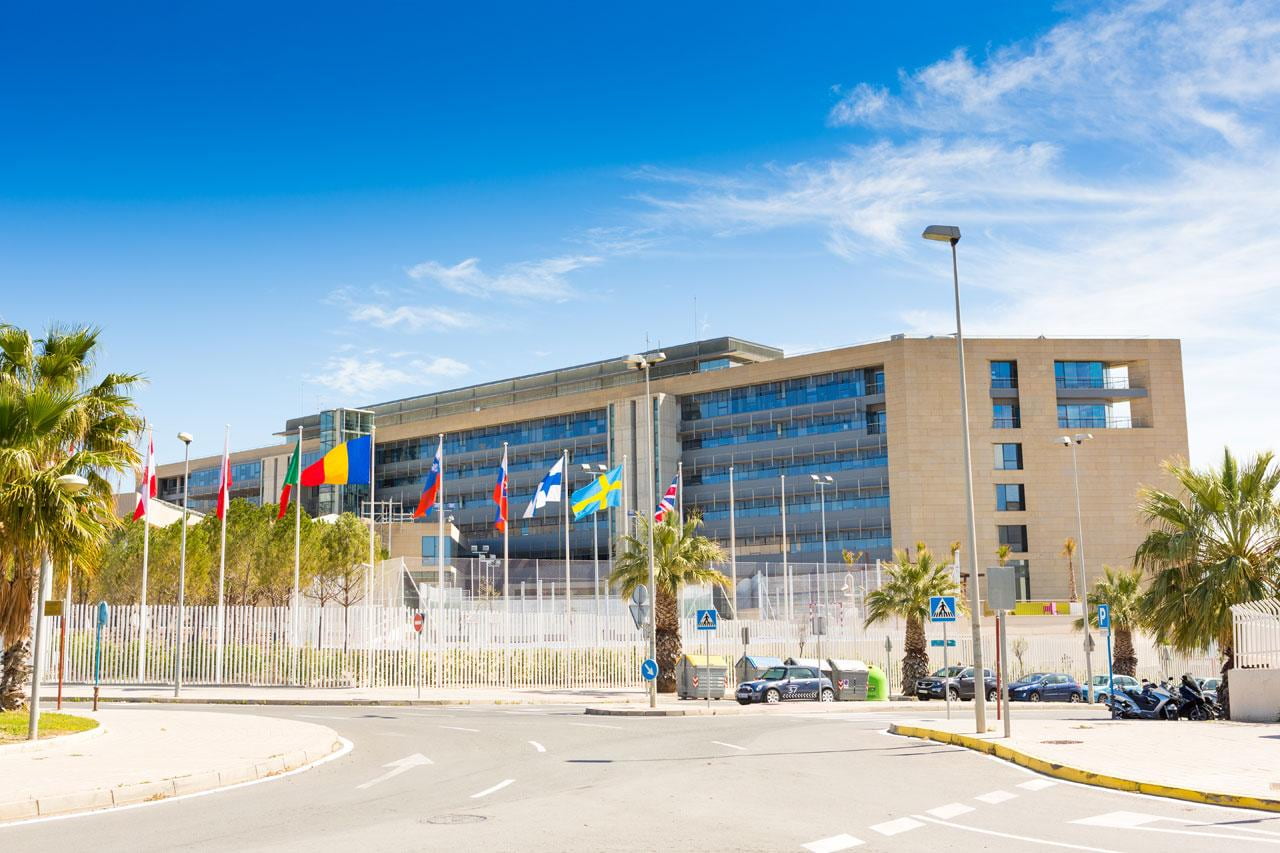
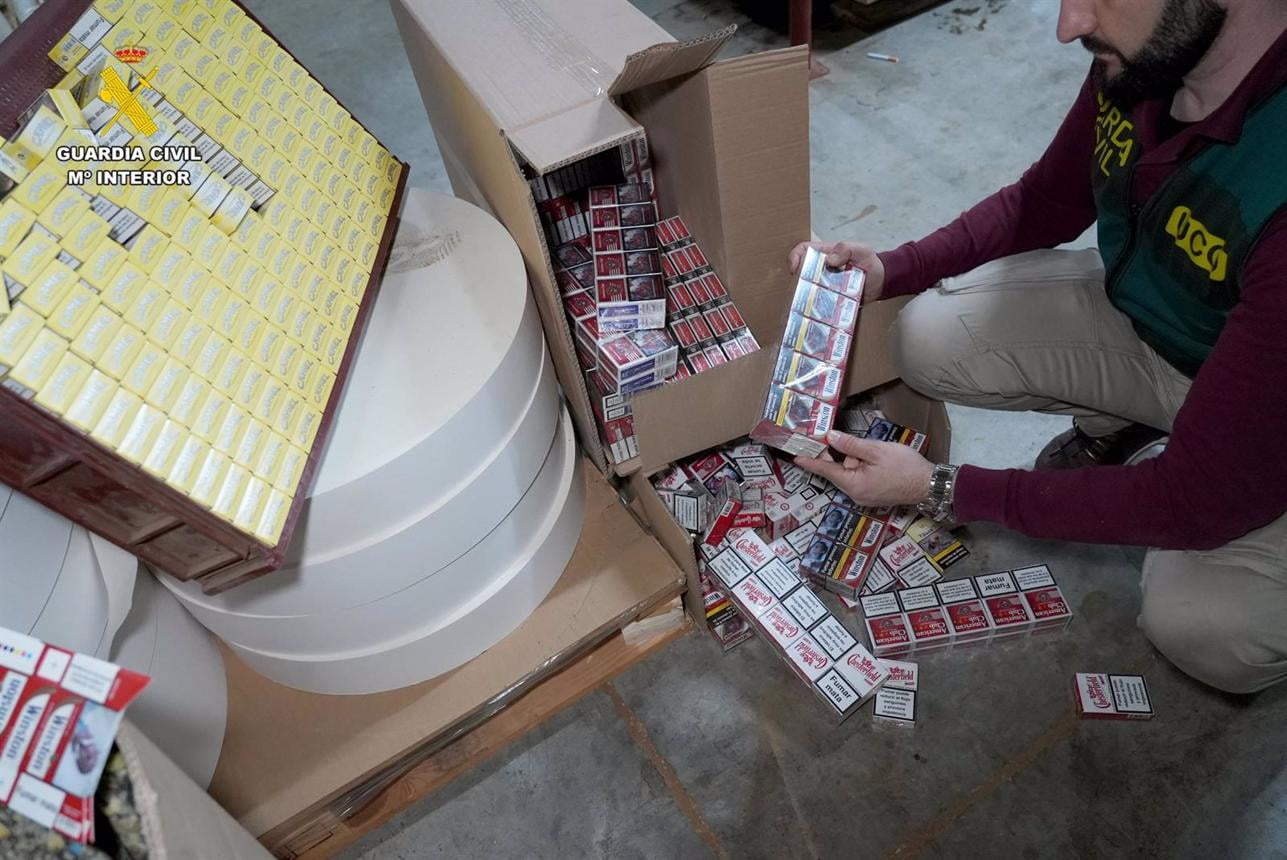
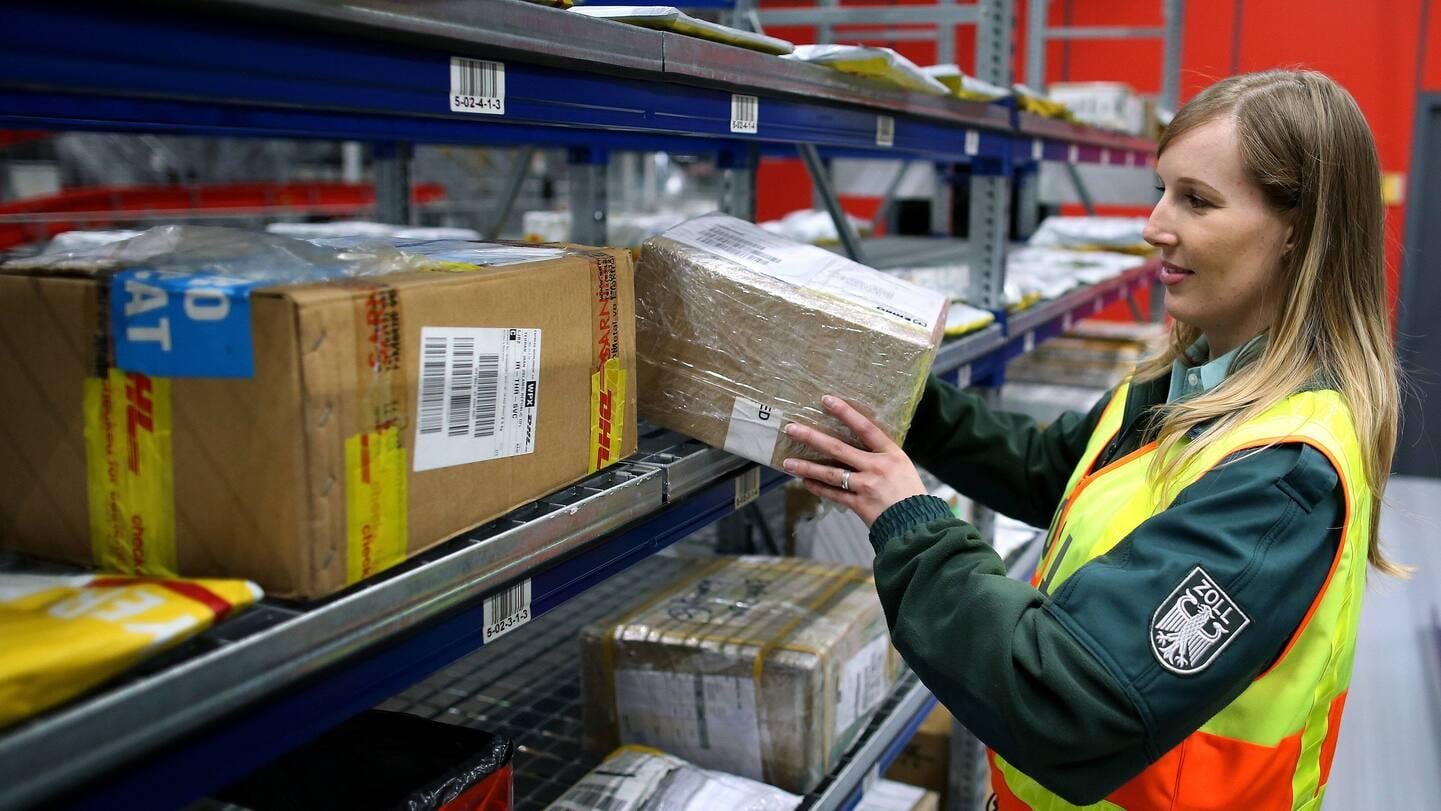
Alicante: For most of its existence the European Anti-Fraud Office has been an accountant with a badge, chasing money after it has already vanished into shell companies and forged invoices. The office recommended the recovery of almost 600 million euros of misused EU funds last year alone, closing 209 investigations and opening 254 more. Yet a recovery notice, however large, is a confession that the fraud already happened. This summer the office is trying to move further up the chain, to the point where fake goods and dirty money first enter the single market rather than the point where auditors finally catch up with them. The clearest sign of the shift is a formal tie-up with the EU Intellectual Property Office, the Alicante-based agency that keeps the Union’s register of trademarks and designs. On paper the two bodies look like distant cousins, one guarding brands and the other guarding budgets. In practice counterfeiting sits squarely between them. Fake goods rob legitimate manufacturers of sales, deprive national treasuries of customs duties and value-added tax, and increasingly arrive laced with safety defects that no regulator has ever inspected. Pooling the trademark office’s data on protected brands with the fraud office’s investigative reach is meant to let both spot suspicious flows earlier and hand national customs services something more useful than a warning issued months too late. The operational record already hints at what the arrangement is for. In early June investigators helped Portuguese authorities dismantle a trade in counterfeit truck parts worth hundreds of thousands of euros, a case that touched several member states and several brand owners at once. Weeks later the office turned to a grubbier problem, working to stop thousands of tonnes of textile waste from being dumped or shipped abroad under false labels, a scam that exploits the gap between what recyclers promise and what actually happens to discarded clothing. Neither case involved a single smoking gun so much as a web of paperwork designed to look boring enough to wave through. That is the deeper challenge. Counterfeiting and customs fraud thrive precisely because each individual parcel looks trivial, and because the Union’s external border is policed by twenty-seven national administrations with uneven appetites for the work. Critics, including the EU’s own auditors, have long argued that the bloc’s anti-fraud architecture is fragmented, with overlapping mandates and thin follow-through once a case leaves the capital for a national prosecutor. A memorandum between two agencies will not fix that on its own. What it can do is change the tempo. If brand data and fraud intelligence flow in something closer to real time, the calculation for organised networks shifts, because the window between shipment and detection narrows. Whether the partnership amounts to genuine prevention or simply faster clean-up will be visible in next year’s figures. If the recovery totals keep climbing, it will mean the fraud is still getting through; the quiet success would be numbers that finally start to fall.