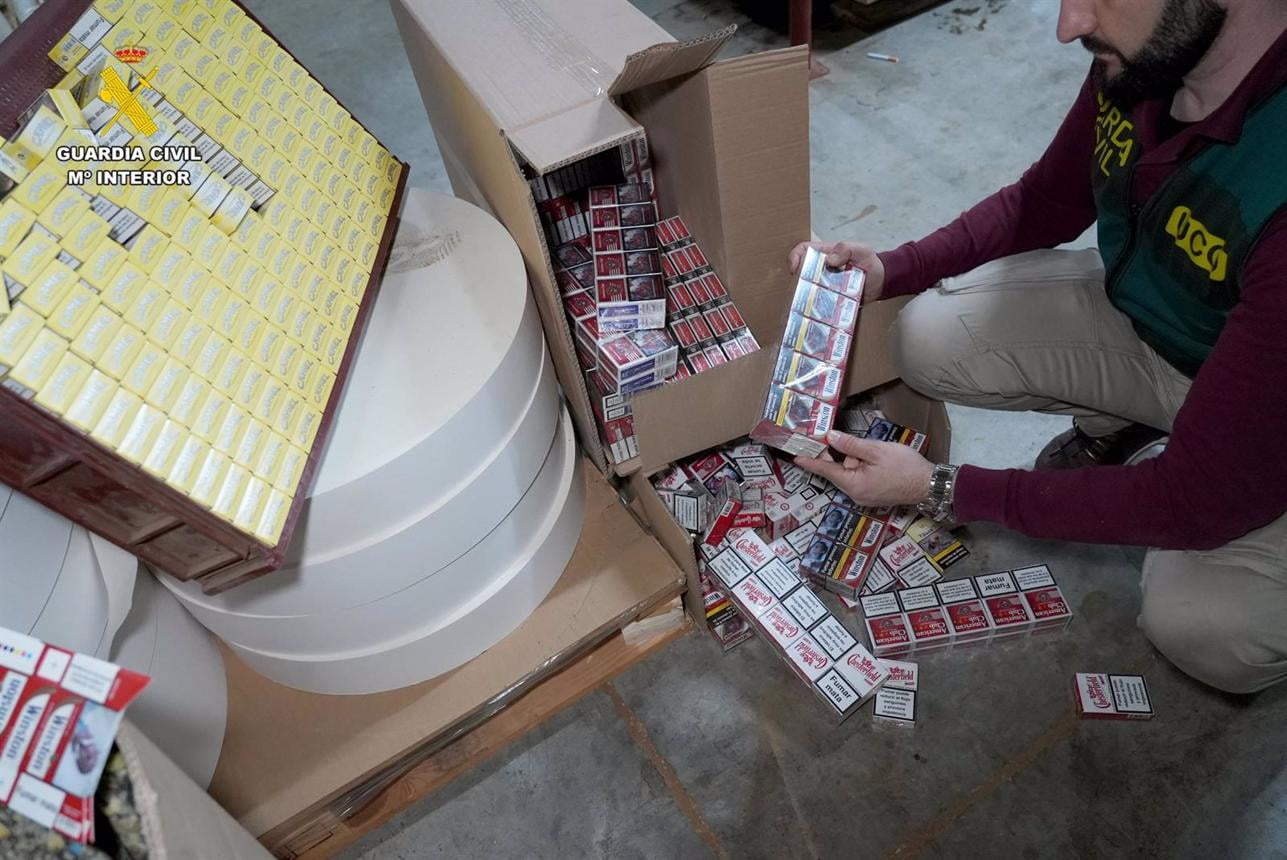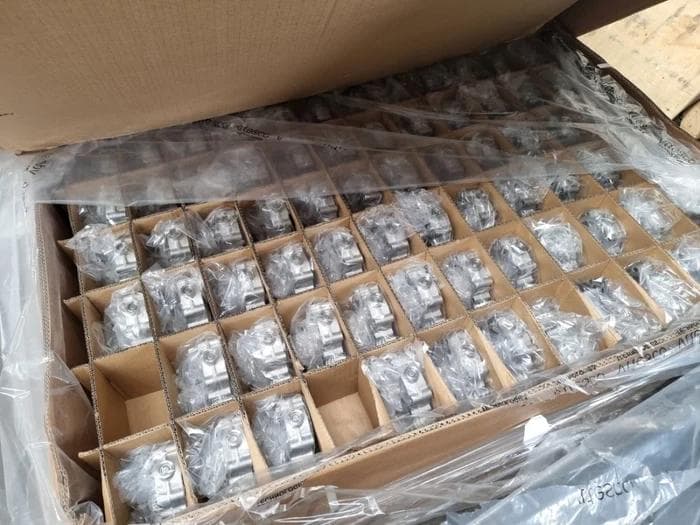
Lisbon: The brake pads, filters and bearings looked like the real thing. They carried familiar brand names, sat in convincing boxes and were destined for trucks hauling freight across Iberia. They were also fakes, and, investigators say, a road-safety hazard waiting to fail at speed.
Portugal’s Food and Economic Security Authority, working with the European Anti-Fraud Office, uncovered 14,629 counterfeit truck parts worth more than 600,000 euros in an operation made public in early June. OLAF did not make the seizure itself; its role, as in most such cases, was to supply analysis, match shipments to known smuggling patterns and connect national authorities. That quiet, coordinating function is increasingly how the EU’s anti-fraud body works.
Counterfeit components are not a victimless trade. A fake brake part that fails can kill, and the goods also cheat public coffers, since they slip past customs duties and VAT. OLAF frames the fight against fakes as part of protecting both consumers and the EU budget, the two halves of its mandate. The Portuguese case is one of a string of recent operations: in January the office coordinated an international investigation into suspected circumvention of EU sanctions involving more than 760 transport vehicles, and in June it was working with Cypriot authorities on digital tools to trace fraud faster.
The scale of the wider problem is laid out in OLAF’s most recent annual report, published in April for the 2025 financial year. The office recommended the recovery of almost 600 million euros in misused or defrauded EU funds, closed 209 investigations and opened 254 new ones. Those figures capture only what is detected; the true loss to fraud and irregularity across the Union’s budget and customs revenue is, by every official estimate, far larger.
The harder question is what happens after OLAF reports. The office can investigate and recommend, but it cannot prosecute. Recovery depends on member states and, for criminal cases, increasingly on the European Public Prosecutor’s Office, which can bring charges in participating countries. Critics have long argued that the gap between OLAF’s recommendations and actual recovery is too wide, with money flagged for clawback often slow to return. Supporters respond that detection is the prerequisite for everything else, and that closer cooperation with national agencies, as in Lisbon, is steadily improving the odds.
For hauliers, the immediate lesson is about supply chains. Counterfeit parts reach the market through grey distribution channels that can look legitimate, and the surge in fakes tracks the squeeze on transport firms hunting for cheaper components. For the Commission, the case is a reminder that the EU budget is defended not only in audit offices but in warehouses and at borders. The next test is whether the almost 600 million euros OLAF wants recovered this year actually finds its way back, and whether the deterrent finally bites.