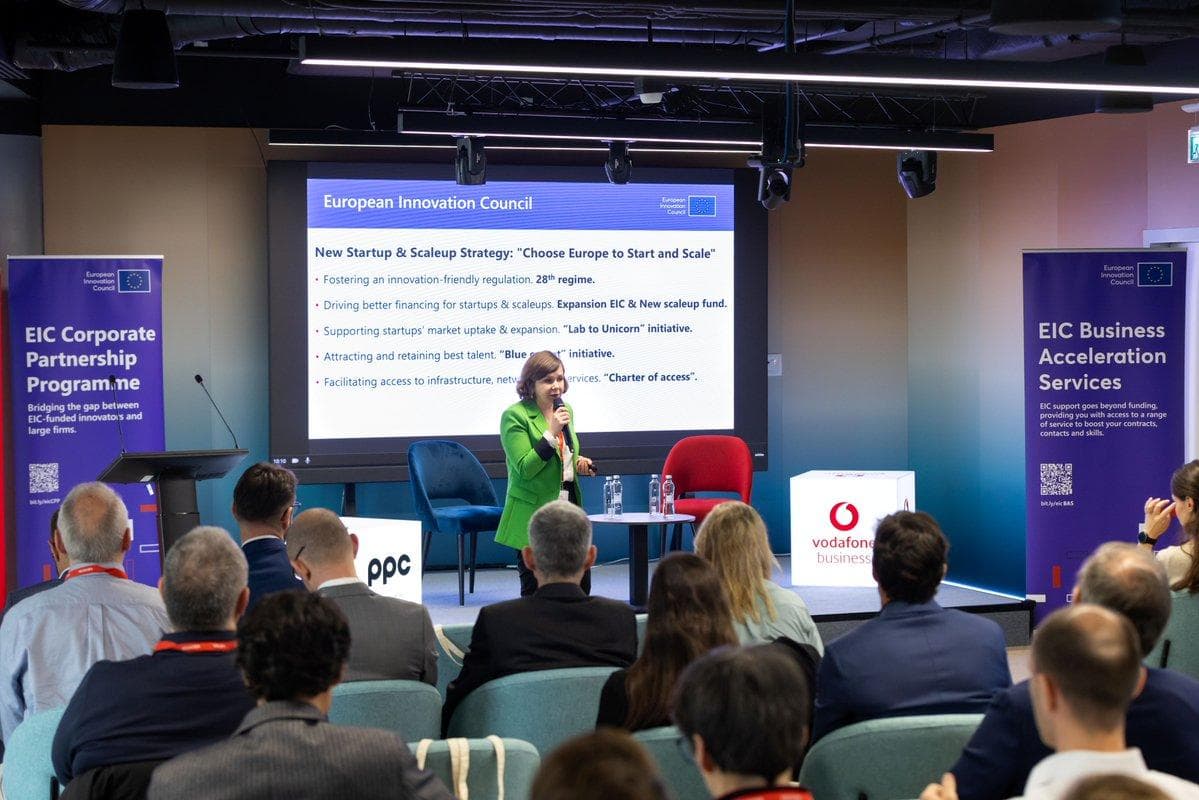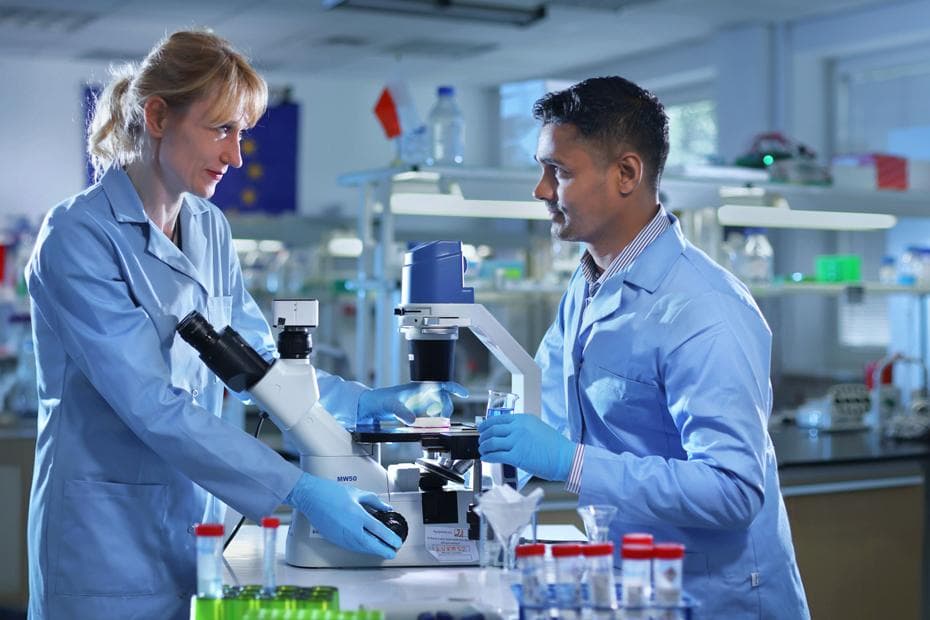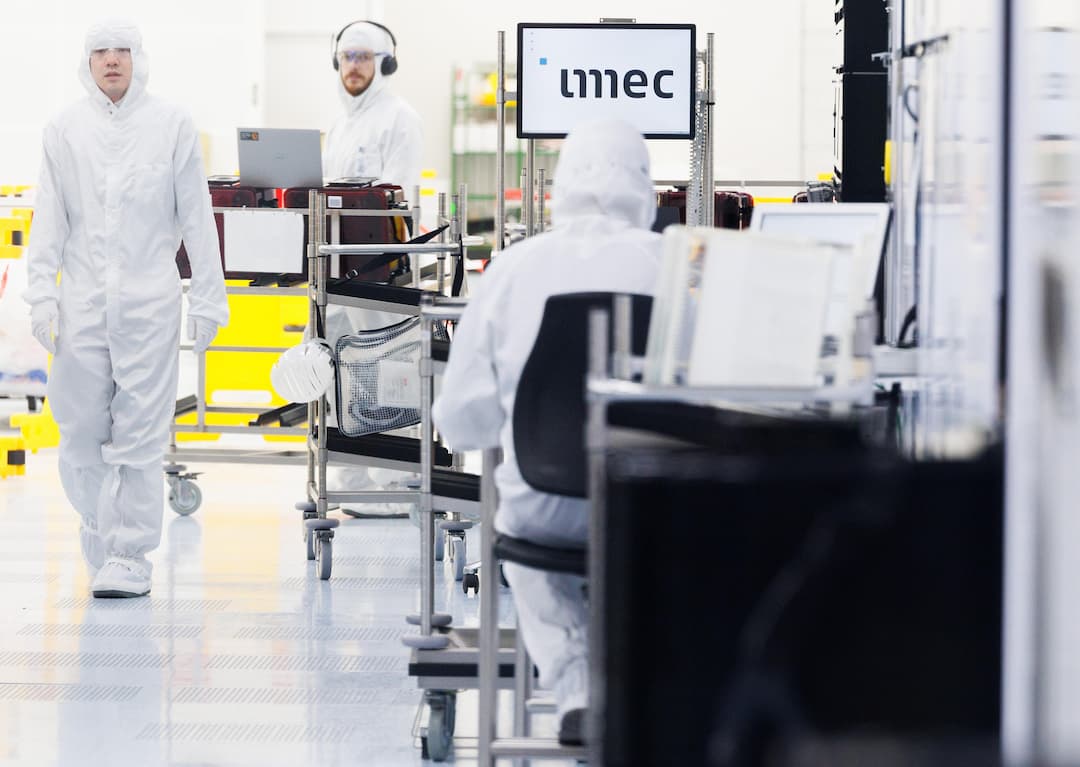
Leuven: In the laboratories that ring this Flemish university city, founders working on fusion components and next-generation batteries have spent the summer poring over the fine print of Europe’s newest funding round. The European Innovation Council has set aside 1.4 billion euros for 2026 to back the continent’s riskiest deep tech, and the money is now flowing toward exactly the kind of hardware-heavy ventures that private investors often shy away from.
The centrepiece is the EIC Accelerator, which carries an indicative budget of 634 million euros. Officials split that pot into 414 million for an open call, where applicants pitch any breakthrough idea, and 220 million reserved for narrower challenges the Commission wants solved. A single company can secure up to 2.5 million euros in grant support for prototyping and testing, plus as much as 10 million euros in equity delivered through the EIC Fund once a product is ready to scale.
This year’s targeted challenges reveal where Brussels sees strategic gaps. They include advanced materials for renewable energy and storage, key technologies for future fusion power plants, and deep tech aimed at restoring Europe’s tired agricultural soils. The 2026 work programme also borrows from the American ARPA model, piloting advanced innovation challenges that hand programme managers more freedom to chase ambitious bets.
The Council has tried to answer a persistent complaint from entrepreneurs, who say the application process devours months they cannot spare. A faster, simpler procedure now promises quicker decisions, and an earlier round in February already channelled support to 61 start-ups and small firms. The wider aim is blunt: keep Europe’s brightest hardware companies from decamping to the United States or Asia the moment they need serious capital.
Whether the reforms move the needle remains an open question. Critics point out that grants and minority equity, however generous, cannot substitute for the deep pools of venture money that American rivals tap when they scale a factory. Others worry that spreading funds across fusion, soil and materials risks diluting the impact. Supporters counter that public money exists precisely to shoulder risks the market will not, and that a single European champion in clean energy storage would justify the outlay many times over.
For the researchers in Leuven, the calculation is more immediate. A grant can mean the difference between a working pilot line and a shelved patent. The Commission expects thousands of applications before the autumn deadlines, and only a slim fraction will clear the bar. The full envelope for the year signals ambition, yet the real test will come when the next cohort of funded firms tries to turn laboratory promise into products that hold their own on a global market.