Bremen: For decades the European defence industry grew up as a patchwork of national champions, each fed by its own government, each building slightly different versions of the same tank, frigate or radar. The European Defence Industry Programme, the first instrument of its kind to carry real money, is an attempt to stitch that patchwork into something closer to a single market for arms. This spring it stopped being a slogan and became a budget line with deadlines attached, as the Commission opened the first calls for proposals to companies that until recently had no shared European pot to bid for.
The numbers are modest by the standards of the continent’s security anxieties, and generous by the standards of what came before. The programme carries one and a half billion euros for the years through 2027, with three hundred million ring-fenced for a dedicated instrument to wire Ukraine’s defence makers into European supply chains. A separate and far larger lending facility, offering up to a hundred and fifty billion euros in loans to capitals willing to spend fast, sits alongside it. Together they form the financial spine of what officials have taken to calling defence readiness, the idea that Europe must be able to arm itself without waiting on decisions taken across the Atlantic.
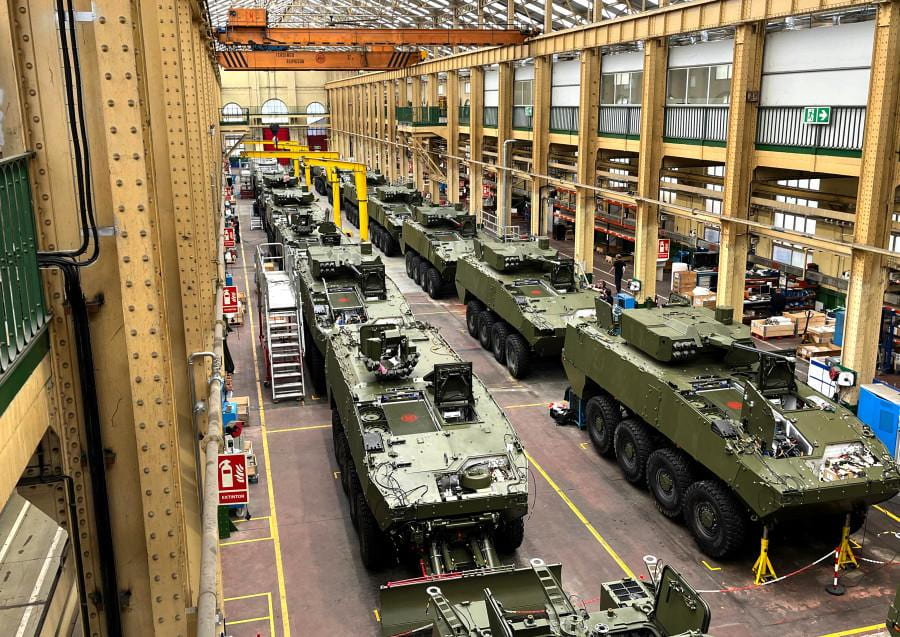
What makes the programme distinctive is less the cash than the conditions attached to it. Money flows most easily to projects that pull together firms from several member states, that favour joint procurement over national orders, and that build the capacity to surge production when a crisis demands it rather than assembling weapons one bespoke unit at a time. The logic is drawn from hard recent experience, when the war on the Union’s eastern flank exposed how thin the continent’s stockpiles were and how slowly its factories could refill them once the shelves emptied.
The first work programme spreads its bets across the gaps that planners worry about most, from ammunition and air defence to the unglamorous business of testing, certification and the shared infrastructure that lets one country’s missiles work with another’s launchers. The Ukraine strand is treated less as charity than as industrial policy, on the theory that a defence base hardened by three years of war has lessons and capacity that European firms can both learn from and lean on.
Scepticism is warranted and abundant. A billion and a half euros is a rounding error next to the sums that capitals still spend through national channels, and the temptation to dress up old domestic projects in European clothing will be strong. The instrument’s success will be measured not by how quickly the money goes out but by whether it changes behaviour, whether ministries that have guarded their procurement jealously start ordering together, and whether companies that have competed for the same shrinking national contracts decide there is more to gain from building one weapon for a continent than twenty-seven for twenty-seven armies. The first calls are the test of whether the appetite the speeches describe actually exists on the factory floor.