August 9, 2026
LATEST
New EU Gas Market Rules Take Effect With Consumer SafeguardsDeforestation Regulation Holds Its December Deadline Despite CutsDigital Omnibus Delays Europe’s High-Risk AI Deadline to 2027Europe’s Schools Confront a Widening Basic Skills GapRule of Law Report Finds Progress but Trust Still LagsIRIS2 Gains 66 Satellites as Brussels Signs the Rollout DealNature Restoration Plans Come Due as Member States Race a DeadlineECB Rates Hold at 2.25 Percent as Frankfurt Waits on the DataEU Budget Talks Turn to Cohesion as Ireland Takes OverWildfire Response Stretches Europe’s Emergency Fleet ThinCan Europe’s Quantum Plan Match Its Big Ambitions?Armenia Edges West as Moscow’s Grip Slips AwayEurope Inherits the World’s Aid Bill It Cannot Fully PayAir Passenger Rights Get Their First Overhaul in Two DecadesErasmus Opens a 5 Billion Euro Round for Skills and MobilityCeuta Crisis Pushes the EU Toward Faster Migrant ReturnsBulky Parcels Face a Packaging Crackdown From August 12Can Europe Build Its Drone Wall Before 2030 Arrives?Indonesia’s Trade Deal With Europe Nears Its Final SignatureEurope Leans on Beijing to Keep Climate Talks Alive Before AntalyaNew EU Gas Market Rules Take Effect With Consumer SafeguardsDeforestation Regulation Holds Its December Deadline Despite CutsDigital Omnibus Delays Europe’s High-Risk AI Deadline to 2027Europe’s Schools Confront a Widening Basic Skills GapRule of Law Report Finds Progress but Trust Still LagsIRIS2 Gains 66 Satellites as Brussels Signs the Rollout DealNature Restoration Plans Come Due as Member States Race a DeadlineECB Rates Hold at 2.25 Percent as Frankfurt Waits on the DataEU Budget Talks Turn to Cohesion as Ireland Takes OverWildfire Response Stretches Europe’s Emergency Fleet ThinCan Europe’s Quantum Plan Match Its Big Ambitions?Armenia Edges West as Moscow’s Grip Slips AwayEurope Inherits the World’s Aid Bill It Cannot Fully PayAir Passenger Rights Get Their First Overhaul in Two DecadesErasmus Opens a 5 Billion Euro Round for Skills and MobilityCeuta Crisis Pushes the EU Toward Faster Migrant ReturnsBulky Parcels Face a Packaging Crackdown From August 12Can Europe Build Its Drone Wall Before 2030 Arrives?Indonesia’s Trade Deal With Europe Nears Its Final SignatureEurope Leans on Beijing to Keep Climate Talks Alive Before Antalya
August 9, 2026
LATEST
New EU Gas Market Rules Take Effect With Consumer SafeguardsDeforestation Regulation Holds Its December Deadline Despite CutsDigital Omnibus Delays Europe’s High-Risk AI Deadline to 2027Europe’s Schools Confront a Widening Basic Skills GapRule of Law Report Finds Progress but Trust Still LagsIRIS2 Gains 66 Satellites as Brussels Signs the Rollout DealNature Restoration Plans Come Due as Member States Race a DeadlineECB Rates Hold at 2.25 Percent as Frankfurt Waits on the DataEU Budget Talks Turn to Cohesion as Ireland Takes OverWildfire Response Stretches Europe’s Emergency Fleet ThinCan Europe’s Quantum Plan Match Its Big Ambitions?Armenia Edges West as Moscow’s Grip Slips AwayEurope Inherits the World’s Aid Bill It Cannot Fully PayAir Passenger Rights Get Their First Overhaul in Two DecadesErasmus Opens a 5 Billion Euro Round for Skills and MobilityCeuta Crisis Pushes the EU Toward Faster Migrant ReturnsBulky Parcels Face a Packaging Crackdown From August 12Can Europe Build Its Drone Wall Before 2030 Arrives?Indonesia’s Trade Deal With Europe Nears Its Final SignatureEurope Leans on Beijing to Keep Climate Talks Alive Before AntalyaNew EU Gas Market Rules Take Effect With Consumer SafeguardsDeforestation Regulation Holds Its December Deadline Despite CutsDigital Omnibus Delays Europe’s High-Risk AI Deadline to 2027Europe’s Schools Confront a Widening Basic Skills GapRule of Law Report Finds Progress but Trust Still LagsIRIS2 Gains 66 Satellites as Brussels Signs the Rollout DealNature Restoration Plans Come Due as Member States Race a DeadlineECB Rates Hold at 2.25 Percent as Frankfurt Waits on the DataEU Budget Talks Turn to Cohesion as Ireland Takes OverWildfire Response Stretches Europe’s Emergency Fleet ThinCan Europe’s Quantum Plan Match Its Big Ambitions?Armenia Edges West as Moscow’s Grip Slips AwayEurope Inherits the World’s Aid Bill It Cannot Fully PayAir Passenger Rights Get Their First Overhaul in Two DecadesErasmus Opens a 5 Billion Euro Round for Skills and MobilityCeuta Crisis Pushes the EU Toward Faster Migrant ReturnsBulky Parcels Face a Packaging Crackdown From August 12Can Europe Build Its Drone Wall Before 2030 Arrives?Indonesia’s Trade Deal With Europe Nears Its Final SignatureEurope Leans on Beijing to Keep Climate Talks Alive Before Antalya

Defence Companies Chase Europe’s First Big Industrial War Chest

Bremen: In the shipyards and munitions plants of northern Germany, executives have spent the spring assembling bids for a pot of money that did not exist two years ago. The deadline for the first major call under the European Defence Industry Programme fell on 16 June, marking the moment the bloc’s flagship attempt to rebuild its arms-making capacity stopped being a political slogan and started writing cheques.

The programme, which the Council gave its final approval in December, channels 1.5 billion euros of grants between 2025 and 2027 toward a single, blunt objective: making Europe able to produce weapons at the pace that a more dangerous decade demands. It is a modest sum against the scale of the task, smaller than the cost of a single major warship, but its designers see it as seed capital meant to crowd in national and private investment rather than foot the whole bill.

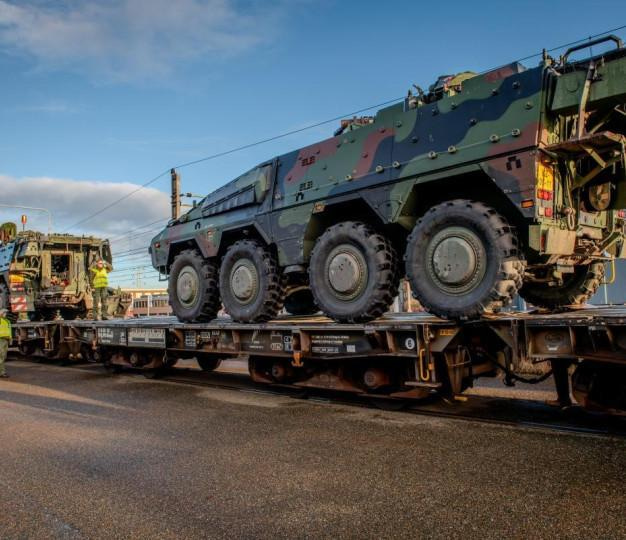
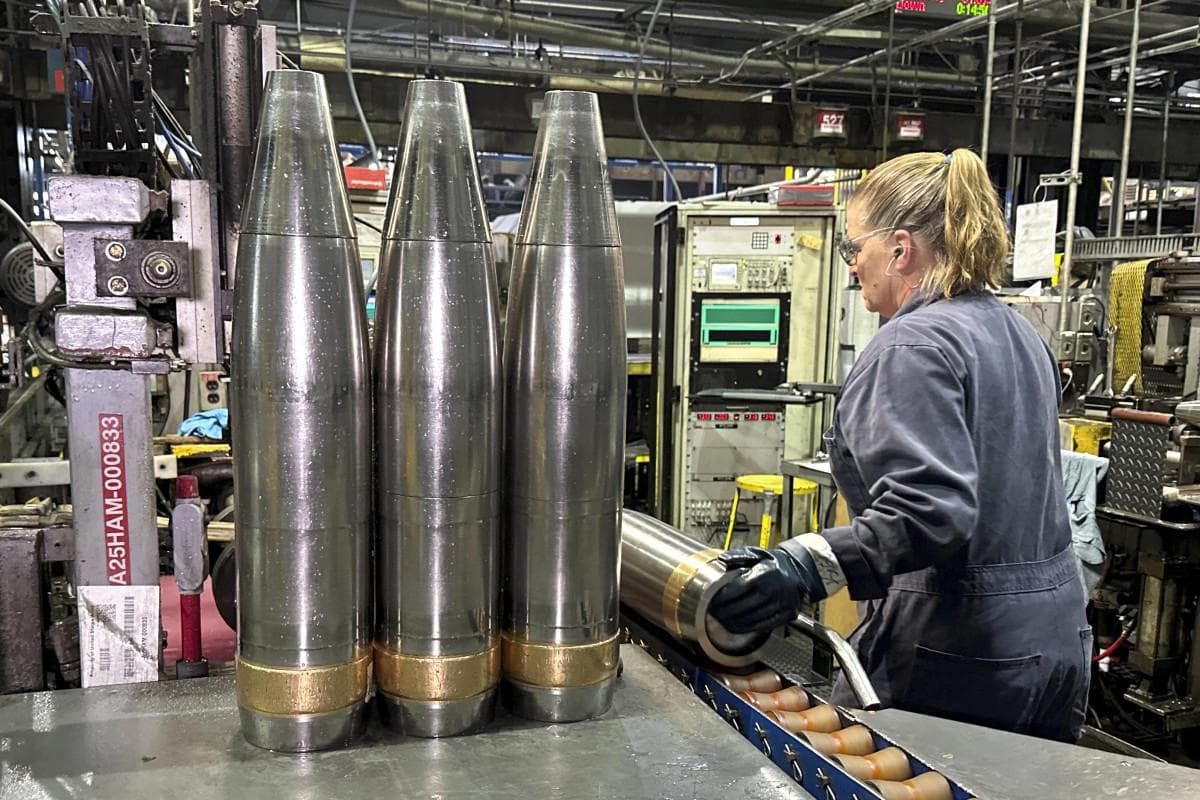
The money is parcelled out across distinct strands. The largest, the industrial reinforcement actions that just closed for applications, commands more than 700 million euros and aims to expand production lines for everything from artillery shells to missiles, explicitly including capacity built in or for Ukraine. A further 300 million euros is earmarked to support Ukraine’s own defence industry directly, knitting Kyiv’s manufacturers into the European supply base. Another 240 million euros backs joint procurement, the pooling of orders across member states for counter-drone systems, air and missile defence, and ground and naval equipment, on the theory that buying together lowers prices and standardises kit that has long been fragmented across national designs. A final 325 million euros is set aside for so-called defence projects of common interest, intended to launch collaborative ventures that no single country would shoulder alone.

The diagnosis behind the programme is now widely shared in European capitals. Decades of peacetime procurement left the continent with a defence industry optimised for small, bespoke orders rather than mass output, dependent on long lead times and stretched supply chains. The war on Europe’s eastern flank exposed the consequences: shell production that could not keep pace with consumption, and a reliance on suppliers outside the bloc for critical systems. The industry programme is the first instrument designed expressly to fix the manufacturing bottleneck rather than simply fund research or coordinate purchases.

Whether it succeeds will hinge on questions that grants alone cannot answer. Firms have warned that they will not invest in new lines without longer-term order commitments, and that a three-year envelope, however welcome, does not give them the visibility a factory expansion requires. There is also the perennial tension over how much of the money should stay inside European borders versus buying proven systems faster from allies abroad, a debate the programme’s home-production tilt has sharpened rather than settled.

For the companies in Bremen and across the bloc’s defence heartlands, the June call was a first test of appetite. The volume and quality of bids will tell officials whether the war chest is large enough to move an industry, or merely large enough to start the conversation.