Toulouse: The first calls under the European Defence Industry Programme have moved from announcement to active operation, with industrial bidders preparing submissions for a 1.5 billion euro work programme that the Commission adopted at the end of March. The programme, formally signed into law in December and in force since the end of last year, covers funding for the 2026 and 2027 cycles. It marks the first time the Union has run a dedicated industrial instrument with a permanent legal base rather than a stand-alone emergency tool.
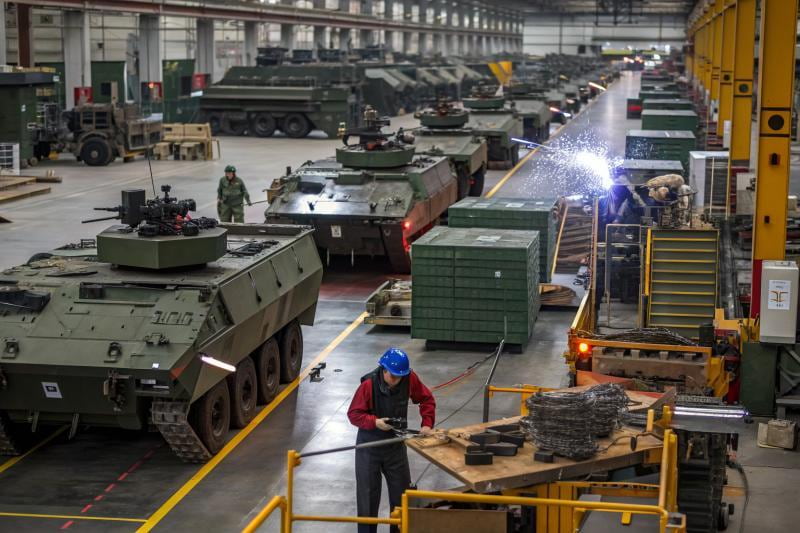
The work programme spreads its envelope across a set of priorities that reflect lessons drawn from the Russian war against Ukraine. Ammunition production capacity remains a central concern, with co-funding available for new lines and for component manufacturing that has historically depended on suppliers outside the Union. Air-defence interceptors, drones and counter-drone systems, secure satellite communications, and military mobility infrastructure round out the priority list. Officials have stressed that the calls deliberately favour multinational consortia and projects involving Ukrainian industry, which is treated as an associated participant under the regulation.
The programme’s design also includes a structural innovation that has attracted particular attention from procurement officers. Member states can use a framework called the Structure for European Armament Programme to anchor longer-term joint purchases, with simplified rules on VAT, export licences, and transfer of equipment between national stockpiles. The Commission has positioned this mechanism as a way to translate ad hoc joint procurement experiences from the last two years into a durable institutional habit. National procurement agencies report that some ministries remain cautious about ceding control over specifications and timetables, while others see clear advantages in sharing burdens and unit-cost reductions.
The first online question-and-answer session for prospective applicants was held this month, drawing more than a thousand registrants from across the industrial base. Small and medium-sized suppliers were heavily represented, reflecting the Commission’s promise to channel a meaningful share of funding to firms that have historically struggled to access traditional defence procurement. Whether that promise translates into actual awards will depend on how prime contractors structure their consortia and on how strictly the executive agency enforces participation thresholds.
Several capitals are also watching how the Industry Programme interacts with the broader Security Action for Europe loan facility and with national defence budgets that have grown substantially since 2022. The risk of overlap or, conversely, of gaps between instruments has prompted calls for a clearer joint planning architecture. The Commission has signalled it will publish a consolidated implementation report later this year, intended to map how the various funding streams add up across the twenty-seven national capabilities plans now under preparation.
For industry, the immediate test will be the closure of the first batch of calls in the autumn, with awards expected before the end of 2026. The political pressure to show concrete results is significant. Member State leaders endorsed the broader European defence agenda at successive Council meetings, and any major delay would feed familiar critiques about the gap between European declarations and industrial follow-through. The first awards under the programme will therefore carry symbolic weight well beyond their euro value.