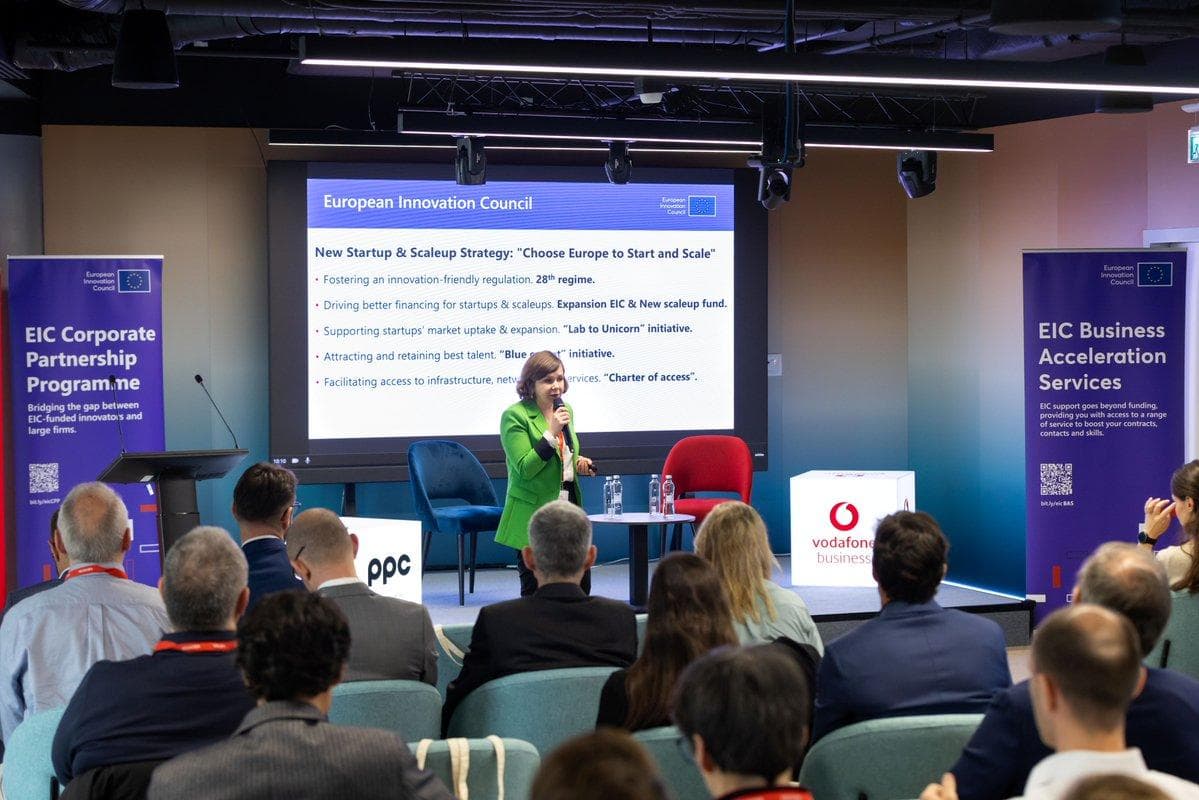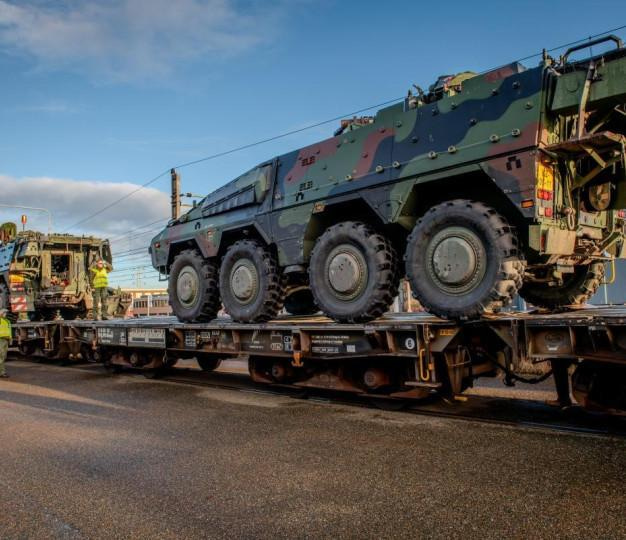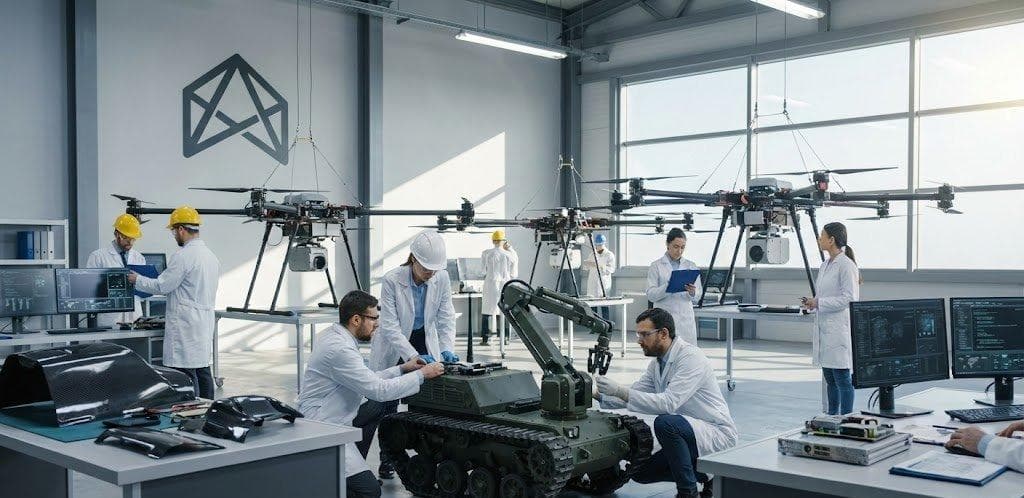
Eindhoven: For years the European Innovation Council kept a careful distance from anything that smelled of the barracks, funnelling its money into climate sensors, fusion concepts and cancer diagnostics rather than the technologies that armies buy. That separation has now been quietly dismantled. Since 17 June the EIC Accelerator has been open to dual-use applications, and a dedicated online briefing for founders working at the civilian-military boundary is scheduled for 24 June. The shift turns the bloc’s flagship deep-tech instrument into a channel that can back a drone-navigation algorithm or a battlefield-grade battery as readily as a medical implant.
The money behind the rebrand is substantial. The Accelerator carries roughly 634 million euros for 2026, split between 414 million for its open call and 220 million for thematic challenges, sitting inside a wider 1.4 billion euro Innovation Council programme for the year. A successful applicant can receive a grant of up to 2.5 million euros alongside an equity investment ranging from half a million to 10 million, the blended model the EIC uses to push companies across the so-called valley of death where private capital tends to evaporate.
Founders have complained for years that applying was a punishing ordeal, and the Commission has responded by slimming the main form from fifty pages to twenty and promising evaluation decisions every two months rather than twice a year. For a hardware startup burning cash while it waits, the compression of that timetable matters as much as the headline grant. The agency has paired the speed with deeper technical and due-diligence scrutiny, an attempt to weed out projects that look elegant on paper but cannot survive contact with a factory floor.
Opening the doors to defence applications is the politically loaded part. Europe spent the past two years discovering how thin its industrial base for security technology had become, and ministers have grown impatient with rules that let public research money flow only to strictly civilian uses. Dual-use framing offers a tidy escape, since a sensor that guides an autonomous tractor and one that guides a reconnaissance drone are often the same sensor. The thematic menu for 2026 leans into that overlap, prioritising advanced materials, critical-raw-material supply chains, climate-adaptation tools and energy storage, all areas where commercial and strategic value coincide.
Whether the cash reaches the right firms is the open question. The EIC has been criticised for slow disbursement and for losing promising companies to American investors who write bigger cheques faster. Its Pre-Accelerator scheme, which selected seventy early-stage firms from lower-innovation regions in April, was meant to widen the pipeline geographically; the dual-use opening widens it thematically. The deeper test is cultural. A continent that has long treated venture risk and military procurement as separate worlds is now asking a single fund to straddle both, and the founders gathering for next week’s briefing will be the first to learn how convincingly it can.