Aalborg: The European Commission cleared an 84 million euro Danish scheme on 10 August 2026, and the decision says as much about the rulebook as it does about Denmark. The measure, worth 629 million Danish kroner, supports the build-out of clean technology manufacturing capacity. It runs under the Clean Industrial Deal State Aid Framework, the instrument that replaced the crisis-era temporary framework and now carries most of Europe’s industrial subsidy traffic.
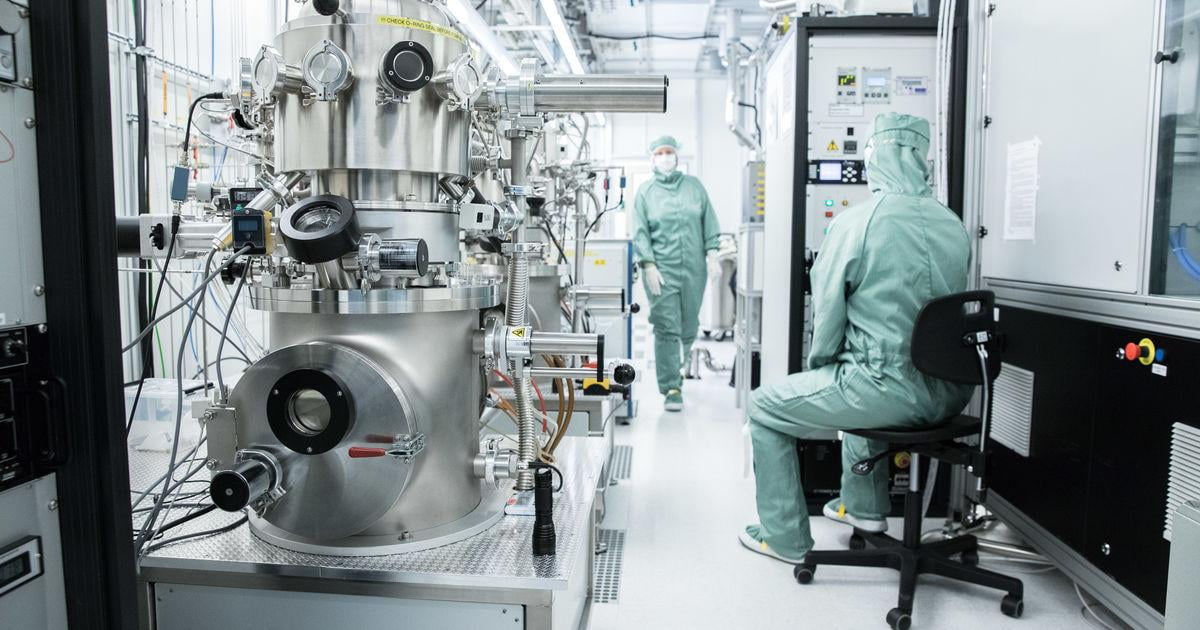
Denmark aims the money at production lines rather than research. Electrolysers, wind components, heat pumps and battery assembly all sit inside the eligible perimeter. Firms apply for capital support tied to installed capacity, and the state releases funds against construction milestones instead of promises.
The Commission assessed the scheme on the standard triad. Aid must be necessary, meaning the investment would not happen without it. It must be appropriate, meaning no lighter instrument achieves the same result. And it must be proportionate, meaning the subsidy does not exceed the funding gap. Danish authorities supplied capacity-gap evidence and accepted a cap on aid intensity per project. The file closed without a formal investigation.
Speed is the point. Under the older rules, a manufacturing subsidy of this shape would have travelled through the general block exemption or a bespoke notification, and either route absorbed months. The framework now offers standardised categories that member states can populate, which shortens the Commission’s review and gives finance ministries a predictable answer.
Predictability cuts both ways. Denmark can afford 84 million euros without straining its budget, and so can the Netherlands, Germany and Sweden. Several member states in the east and south cannot match that firepower at the same speed. Every approval of this kind widens the gap between national treasuries, and the Commission has no instrument that closes it beyond cohesion money that arrives on a different timetable.
Officials answer that a level playing field without any clean manufacturing at all serves nobody, and that Chinese and American incentives set the competitive floor. The counterpoint has force. It does not dissolve the internal problem, which is that the single market was built on the premise that national subsidies distort it.
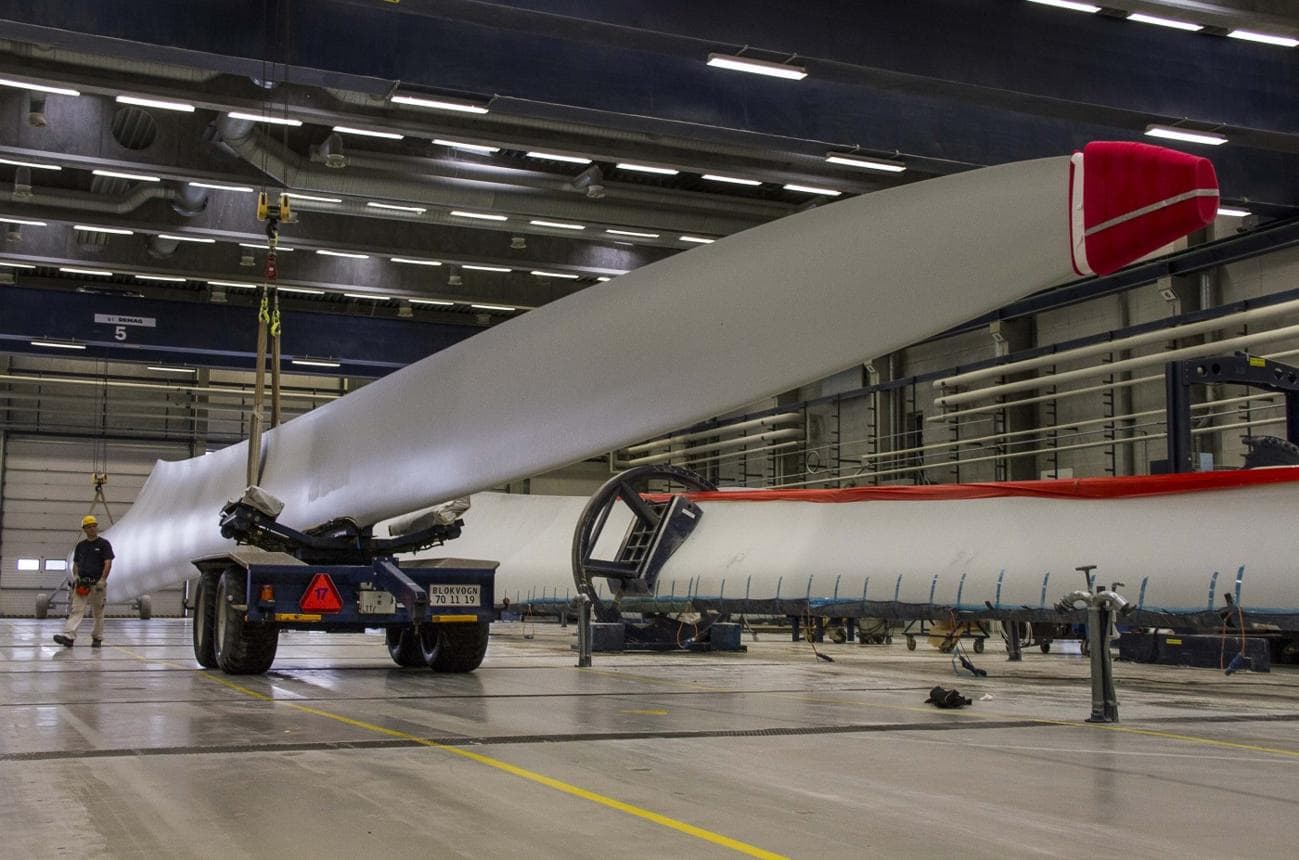
Denmark’s own case is unusually clean. The country already hosts a dense wind supply chain around Aalborg and Esbjerg, and the scheme extends an existing industrial cluster rather than conjuring one. Aid that reinforces genuine comparative advantage tends to survive scrutiny better than aid that tries to relocate an industry by cheque.
The Commission publishes these decisions through its state aid news channel, and the running total across 2026 has climbed steadily. Hydrogen, semiconductors and battery storage schemes have all cleared in recent months, several of them an order of magnitude larger than the Danish file.
Watch the disbursement rate rather than the approval count. Approval grants permission to spend. Whether Danish factories actually reach financial close, secure grid connections and hire the workforce will show up in capacity statistics two or three years from now, and that is the number that decides whether the framework worked.