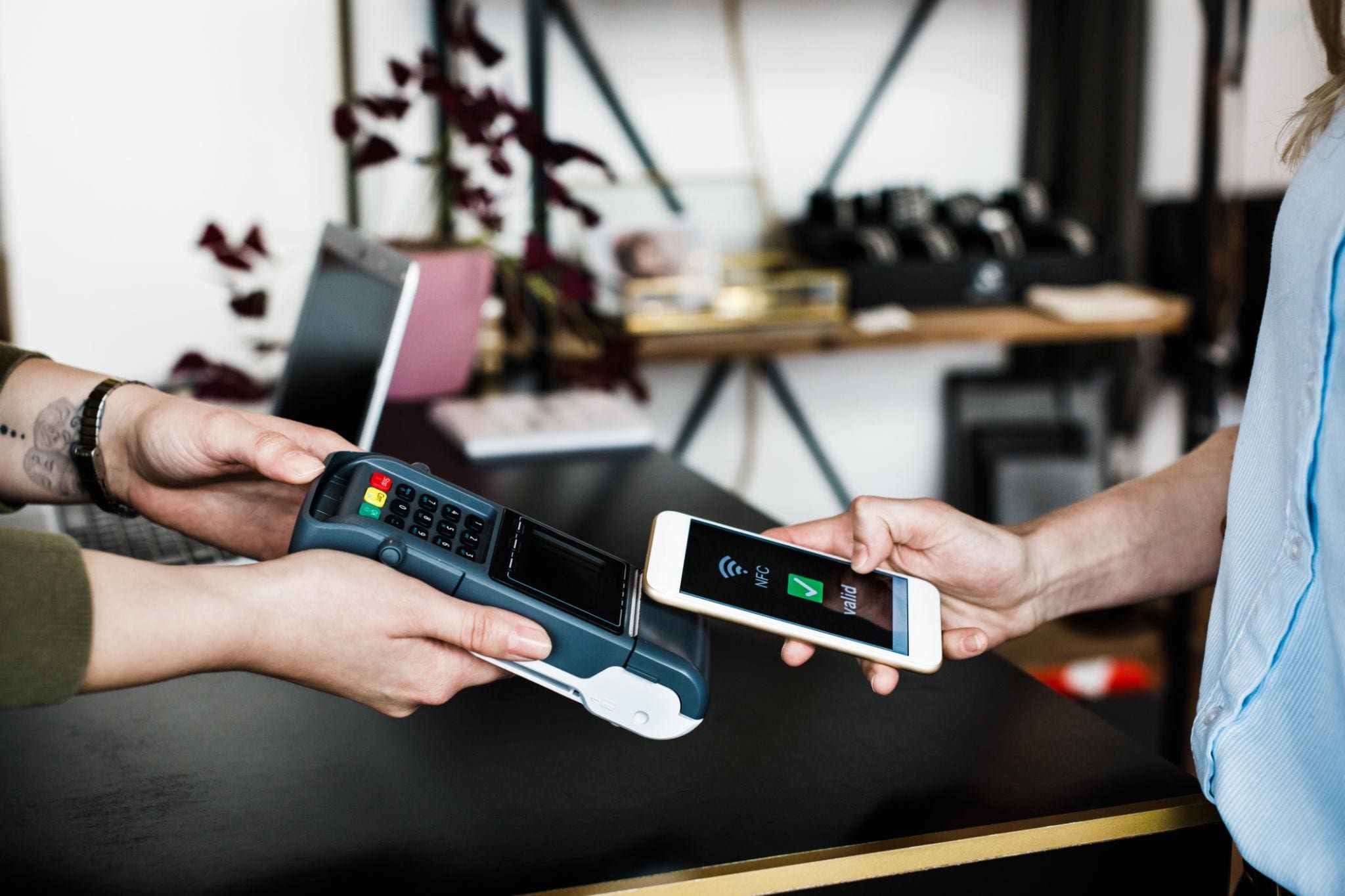
Amsterdam: The European Central Bank wants online retailers to join its digital euro pilot, and the deadline for expressions of interest falls on 27 October 2026 at 17:00 CET. The call opened on 15 September and targets merchants in e-commerce and mobile commerce. The digital euro pilot starts in the second half of 2027, which gives shops about a year to prepare.
The pilot will test a beta version of the digital euro, and that version will not have legal tender status. Participation is voluntary and unpaid, and merchants must operate in at least two participating countries. The ECB held a preparatory focus session on 6 October for interested firms, which suggests that it expects questions about technical integration and payment flows.
The digital euro pilot runs alongside a political one. Parliament and the Council are negotiating the digital euro legislation in trilogues. The first meeting took place on 13 July under the Irish Presidency, and a second on 10 September focused on compensation. A third was scheduled for 30 September, and the sources reviewed here do not report its outcome. Negotiators have said they aim for political agreement before the end of 2026.
Compensation is the most contested point. Parliament favours a no-worse-off model, which it regards as more granular, economically viable and protective of individual merchants. It considers a simple weighted average too blunt. The Council shares the aim of a fair and sustainable framework, and both institutions would set a cap on fees for the euro area based on a weighted average and treat it as temporary. The Commission has cautioned against an open-ended transition before a move to a cost-based model.
Offline payments form a second issue. Parliament argues that offline transactions carry minimal costs, so they should not attract fees. That position fits the committee text adopted in June, when the Economic and Monetary Affairs Committee backed its approach by 43 votes to 14, with one abstention, under rapporteur Fernando Navarrete Rojas.
Business groups want changes. Ecommerce Europe asks lawmakers to reduce the risks of what the legislation calls comparable digital means of payment, to simplify the fee calculation and to remove the cost-plus phase entirely. It also wants acceptance to become mandatory for business-to-business payments, a point that would widen the scope of the digital euro well beyond shops.
For retailers the digital euro pilot offers a chance to influence design before the rules harden. A merchant that joins can test how the instrument handles checkout, refunds and fraud controls in two countries at once. Those who stay out risk meeting the system only after the legislation and the technical rulebook are settled.
The digital euro pilot and the legislation will meet in the coming months. If negotiators agree on compensation and offline fees, the digital euro pilot gains a clearer legal frame. If talks slip, merchants may have to commit to a test without knowing the final price of acceptance, and the ECB may face pressure to adjust its timetable.