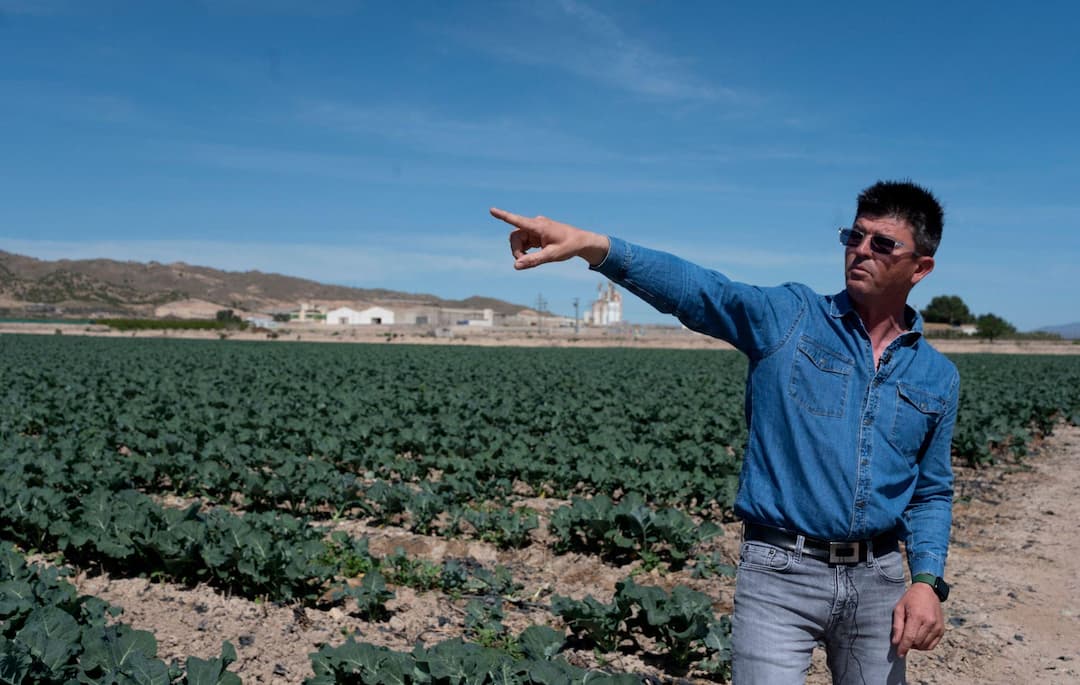
Murcia: Across the parched fields of south-eastern Spain, where farmers ration water and reservoirs shrink earlier each summer, the European Union has begun recasting the way it talks about nature. In a call for action issued in mid-June, the European Commission urged member states to treat land restoration and drought resilience not as green luxuries but as economic necessities, the foundations on which food, water and stable supply chains rest.
The shift in language is deliberate. For years, biodiversity and water policy were framed as environmental causes, defended on grounds of conservation and competing against growth. The new framing, on display at the bloc’s annual environment showcase earlier in the month, casts healthy ecosystems as infrastructure. Officials point out that a large share of European economic activity depends directly on services nature provides for free: fertile soil, pollination, flood protection and clean water. Let those erode, the argument runs, and the bill arrives later in failed harvests and emergency repairs.
The numbers behind the warning are stark. Freshwater demand across the continent is on course to outstrip supply within a few years if current trends hold, a gap driven by overuse, pollution, climate change and the steady loss of the wetlands and soils that store water. Regions like the Spanish south-east are the early casualties, but the Commission is at pains to stress that drought is no longer a southern problem. Recent dry spells have reached well into central and northern Europe, scrambling assumptions about which countries need to worry.
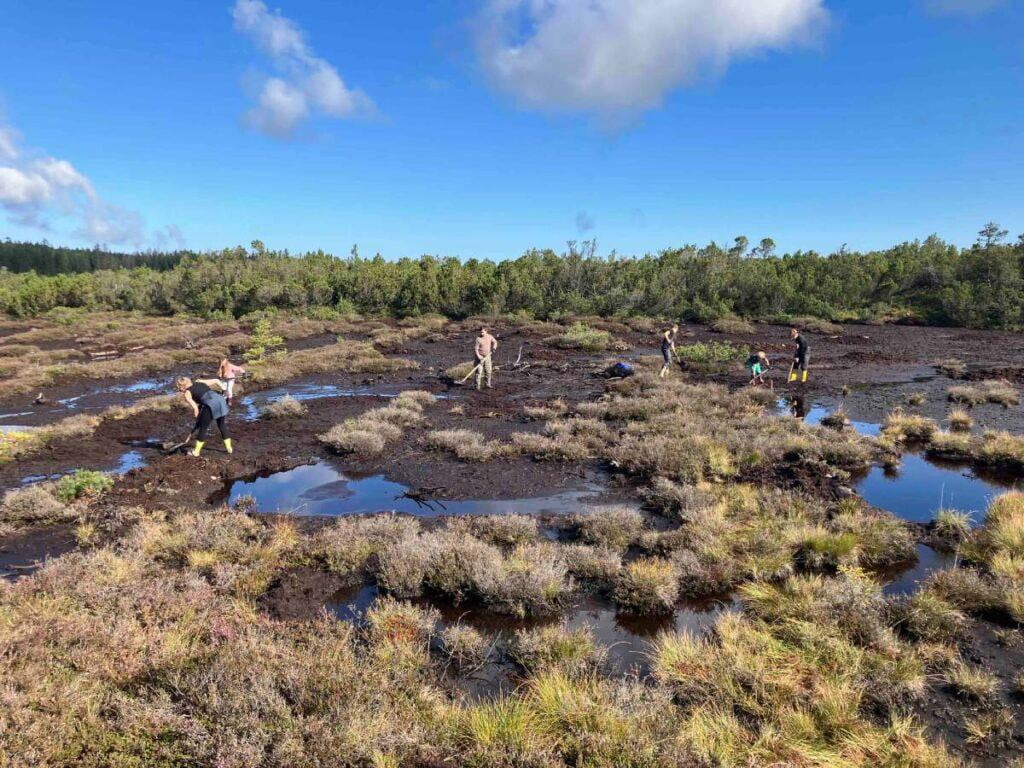
The policy response leans on a strategy aimed at making Europe’s water use more resilient, paired with renewed pressure to restore degraded land. The logic links the two: restored soils, forests and wetlands hold moisture, buffer floods and recharge aquifers, doing for free what concrete reservoirs do at great cost. Channelling investment toward such nature-based solutions, the Commission argues, is cheaper and more durable than engineering alone. The harder question is money, and who provides it, with the call pressing national governments and private investors to treat restoration as an asset rather than a subsidy.
Not everyone is convinced the rhetoric will translate into spending. Farmers in drought-stricken areas have heard ambitious environmental promises before and want concrete support, not strategies, to survive the next dry year. Some regional officials worry that framing nature as infrastructure could see scarce funds diverted to whichever projects can be dressed up in economic terms, leaving genuine conservation behind. Environmental groups, meanwhile, welcome the ambition but note that earlier restoration commitments have already met fierce political resistance.
What is clear is that the debate has moved. Water and soil, once the quiet concerns of agriculture ministries, now sit at the centre of arguments about Europe’s economic security. For the growers watching their land crack under another hot summer, the test is whether that new prominence brings water to the field, or merely a better vocabulary for describing its absence.