August 9, 2026
LATEST
New EU Gas Market Rules Take Effect With Consumer SafeguardsDeforestation Regulation Holds Its December Deadline Despite CutsDigital Omnibus Delays Europe’s High-Risk AI Deadline to 2027Europe’s Schools Confront a Widening Basic Skills GapRule of Law Report Finds Progress but Trust Still LagsIRIS2 Gains 66 Satellites as Brussels Signs the Rollout DealNature Restoration Plans Come Due as Member States Race a DeadlineECB Rates Hold at 2.25 Percent as Frankfurt Waits on the DataEU Budget Talks Turn to Cohesion as Ireland Takes OverWildfire Response Stretches Europe’s Emergency Fleet ThinCan Europe’s Quantum Plan Match Its Big Ambitions?Armenia Edges West as Moscow’s Grip Slips AwayEurope Inherits the World’s Aid Bill It Cannot Fully PayAir Passenger Rights Get Their First Overhaul in Two DecadesErasmus Opens a 5 Billion Euro Round for Skills and MobilityCeuta Crisis Pushes the EU Toward Faster Migrant ReturnsBulky Parcels Face a Packaging Crackdown From August 12Can Europe Build Its Drone Wall Before 2030 Arrives?Indonesia’s Trade Deal With Europe Nears Its Final SignatureEurope Leans on Beijing to Keep Climate Talks Alive Before AntalyaNew EU Gas Market Rules Take Effect With Consumer SafeguardsDeforestation Regulation Holds Its December Deadline Despite CutsDigital Omnibus Delays Europe’s High-Risk AI Deadline to 2027Europe’s Schools Confront a Widening Basic Skills GapRule of Law Report Finds Progress but Trust Still LagsIRIS2 Gains 66 Satellites as Brussels Signs the Rollout DealNature Restoration Plans Come Due as Member States Race a DeadlineECB Rates Hold at 2.25 Percent as Frankfurt Waits on the DataEU Budget Talks Turn to Cohesion as Ireland Takes OverWildfire Response Stretches Europe’s Emergency Fleet ThinCan Europe’s Quantum Plan Match Its Big Ambitions?Armenia Edges West as Moscow’s Grip Slips AwayEurope Inherits the World’s Aid Bill It Cannot Fully PayAir Passenger Rights Get Their First Overhaul in Two DecadesErasmus Opens a 5 Billion Euro Round for Skills and MobilityCeuta Crisis Pushes the EU Toward Faster Migrant ReturnsBulky Parcels Face a Packaging Crackdown From August 12Can Europe Build Its Drone Wall Before 2030 Arrives?Indonesia’s Trade Deal With Europe Nears Its Final SignatureEurope Leans on Beijing to Keep Climate Talks Alive Before Antalya
August 9, 2026
LATEST
New EU Gas Market Rules Take Effect With Consumer SafeguardsDeforestation Regulation Holds Its December Deadline Despite CutsDigital Omnibus Delays Europe’s High-Risk AI Deadline to 2027Europe’s Schools Confront a Widening Basic Skills GapRule of Law Report Finds Progress but Trust Still LagsIRIS2 Gains 66 Satellites as Brussels Signs the Rollout DealNature Restoration Plans Come Due as Member States Race a DeadlineECB Rates Hold at 2.25 Percent as Frankfurt Waits on the DataEU Budget Talks Turn to Cohesion as Ireland Takes OverWildfire Response Stretches Europe’s Emergency Fleet ThinCan Europe’s Quantum Plan Match Its Big Ambitions?Armenia Edges West as Moscow’s Grip Slips AwayEurope Inherits the World’s Aid Bill It Cannot Fully PayAir Passenger Rights Get Their First Overhaul in Two DecadesErasmus Opens a 5 Billion Euro Round for Skills and MobilityCeuta Crisis Pushes the EU Toward Faster Migrant ReturnsBulky Parcels Face a Packaging Crackdown From August 12Can Europe Build Its Drone Wall Before 2030 Arrives?Indonesia’s Trade Deal With Europe Nears Its Final SignatureEurope Leans on Beijing to Keep Climate Talks Alive Before AntalyaNew EU Gas Market Rules Take Effect With Consumer SafeguardsDeforestation Regulation Holds Its December Deadline Despite CutsDigital Omnibus Delays Europe’s High-Risk AI Deadline to 2027Europe’s Schools Confront a Widening Basic Skills GapRule of Law Report Finds Progress but Trust Still LagsIRIS2 Gains 66 Satellites as Brussels Signs the Rollout DealNature Restoration Plans Come Due as Member States Race a DeadlineECB Rates Hold at 2.25 Percent as Frankfurt Waits on the DataEU Budget Talks Turn to Cohesion as Ireland Takes OverWildfire Response Stretches Europe’s Emergency Fleet ThinCan Europe’s Quantum Plan Match Its Big Ambitions?Armenia Edges West as Moscow’s Grip Slips AwayEurope Inherits the World’s Aid Bill It Cannot Fully PayAir Passenger Rights Get Their First Overhaul in Two DecadesErasmus Opens a 5 Billion Euro Round for Skills and MobilityCeuta Crisis Pushes the EU Toward Faster Migrant ReturnsBulky Parcels Face a Packaging Crackdown From August 12Can Europe Build Its Drone Wall Before 2030 Arrives?Indonesia’s Trade Deal With Europe Nears Its Final SignatureEurope Leans on Beijing to Keep Climate Talks Alive Before Antalya

Drugmakers Must Help Foot Europe’s Clean-Water Bill By 2045

Valencia: The treatment plant on the edge of the city processes the residue of everything its residents swallow, wash off and flush away, and under a new European law that quietly entered into force in May, the companies that make many of those substances will soon help pay to scrub them out. The revised Urban Wastewater Treatment Directive, which took effect on 11 May, ranks among the most consequential environmental measures of the year, and its bill will eventually land far from the public purse.

At the heart of the directive is a requirement for quaternary treatment, an advanced cleaning stage aimed at stripping out micropollutants such as pharmaceutical residues, pesticides and synthetic chemicals that ordinary processes leave behind. These trace contaminants have become a growing concern for rivers and coastal waters, where they accumulate in ways science is only beginning to map. The largest plants must install the technology by 2045, with the rules extending protection to smaller towns than ever before and tightening limits on nitrogen and phosphorus along the way.

The most striking feature is who pays. Following the polluter-pays principle, producers whose products are the chief source of micropollutants, above all the pharmaceutical and cosmetics industries, must cover at least 80 percent of the additional cost of quaternary treatment through an extended producer responsibility scheme. It is a deliberate shift of the financial burden away from households and water utilities and onto the manufacturers whose goods end up in the sewer.

That shift has not gone unchallenged. Drugmakers warn that the levy could raise costs and, in the worst case, disrupt the supply of cheaper generic medicines whose thin margins leave little room for new charges. Some have signalled they may test the scheme’s design under European law, arguing that singling out two sectors is disproportionate when household products and agriculture also contribute. The Commission has so far held firm, insisting the principle is sound and the science clear: the firms that profit from products which pollute should bear the cost of cleaning up after them.

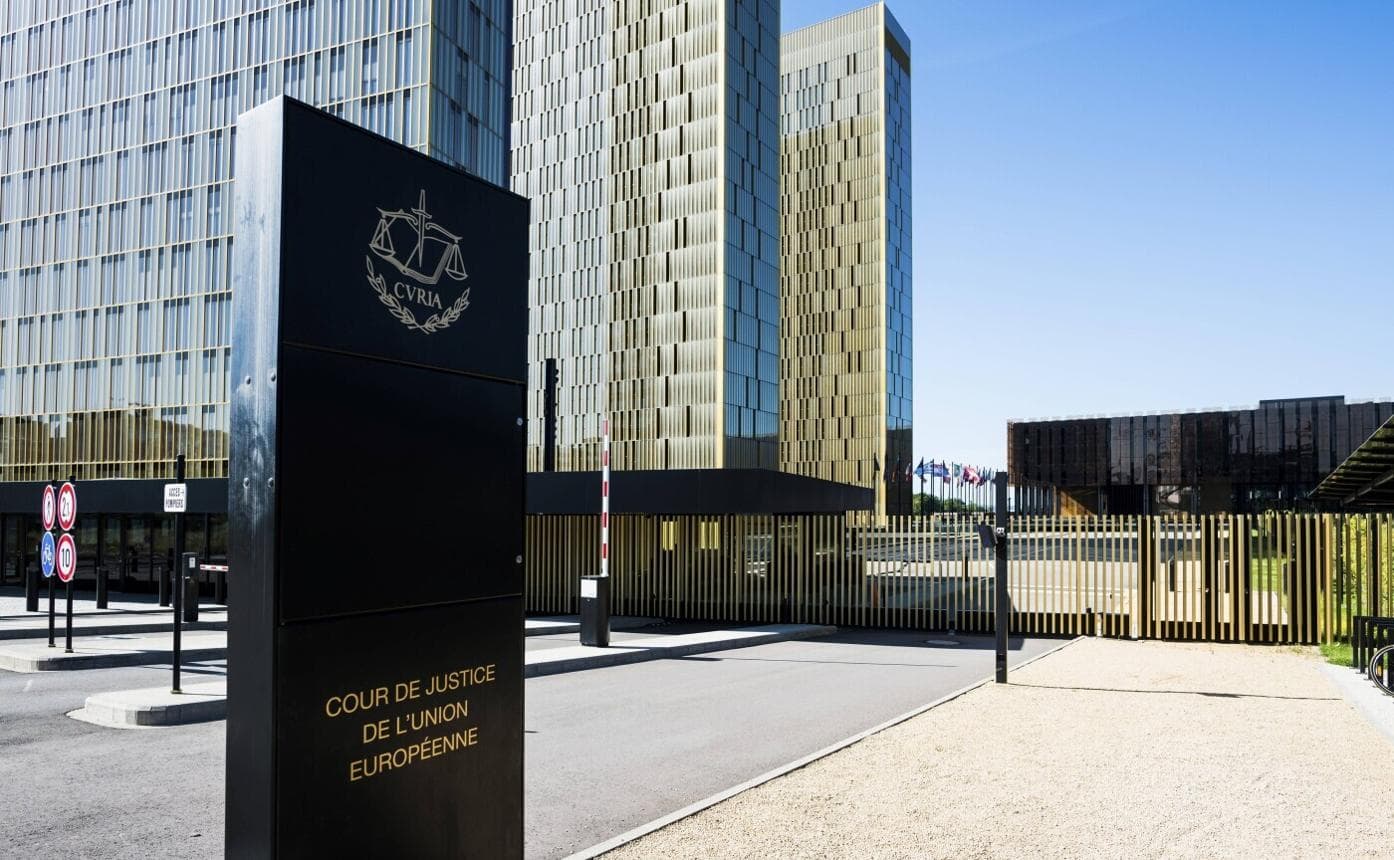
The directive’s reach is not merely theoretical, as the bloc’s enforcement machinery made plain in the same period. In its June infringement package, the Commission sent Spain a formal notice under Article 260 of the EU treaty, finding that water quality in four Spanish autonomous communities had failed to improve despite earlier measures judged ineffective. Madrid has two months to respond; if the answer disappoints, the case could return to the Court of Justice with a request for financial penalties. For a region like Valencia, long strained by drought and competing demands on every drop, the message is that water rules now carry real teeth.

Member states have until December 2027 to write the new directive into national law, a window in which the hardest fights, over how the producer-responsibility schemes are structured and how the costs are apportioned, will be waged in national capitals rather than in Brussels. The 2045 deadline for the heaviest treatment obligations sounds distant, but building and financing that infrastructure across a continent is the work of two decades, which is precisely why the clock has been set running now.