Helsinki: With energy prices still biting and industry warning about competitiveness, the European Commission is converging on a single answer that ties its climate goals to its economic anxieties: electrify faster, and build the grids to carry the power. Officials have spent the early part of 2026 promoting electrification as the route to lower bills and greater energy security, and a clutch of headline initiatives, badged under an accelerate-and-resilience banner, are working their way from strategy documents toward concrete proposals.
The logic is straightforward even if the delivery is not. Electricity generated from domestic wind, solar and nuclear shields the bloc from the volatile gas markets that drove the price shocks of recent years, and shifting industry, transport and buildings onto power rather than fossil fuels is central to meeting the Union’s emissions targets. Wind and solar already supply a larger share of EU electricity than fossil fuels, a milestone that would have looked improbable a decade ago, yet the transition is now running into a hard physical limit: the grid.
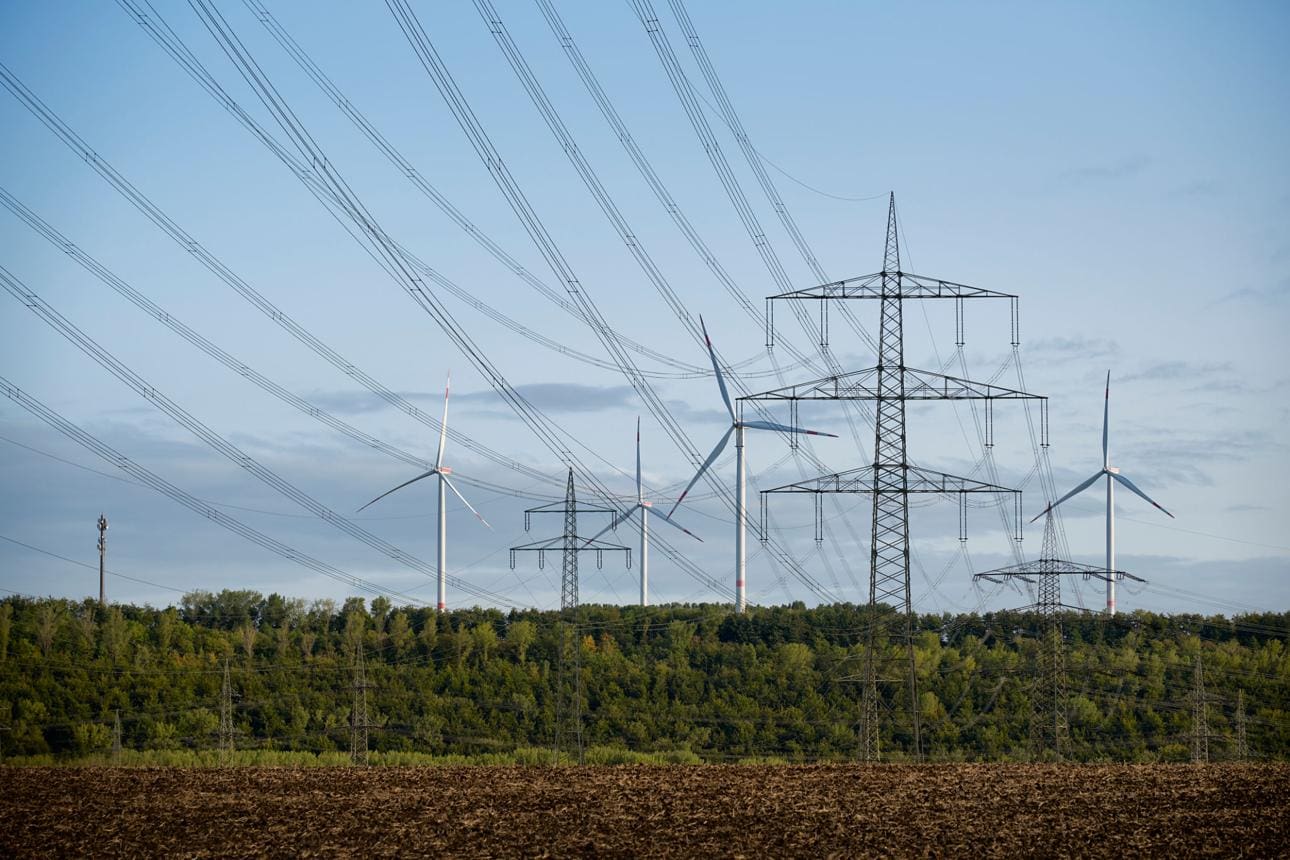
That is where the Commission’s European Grids Package, unveiled late last year alongside an energy-highways initiative for cross-border transmission, comes in. The numbers are daunting. Brussels estimates that modernising and expanding Europe’s electricity networks will require on the order of 1.2 trillion euros by 2040, and analysts warn of a widening gap between the renewable capacity governments plan to build and the grid capacity available to connect it. In several member states, wind and solar projects sit in lengthy connection queues, unable to deliver power that has already been financed and approved.
Why it matters is that electrification only pays off if the wires keep up. An electrification action plan without grid investment risks producing clean power that cannot reach the factories, heat pumps and charging points meant to use it, leaving the promised savings stranded on paper. The grids package has been flagged as a priority file for fast-tracking, a signal that lawmakers grasp the urgency, but transmission lines take years to permit and build, far longer than the solar farms feeding into them.
What to watch is whether the political momentum survives contact with cost and planning reality. Financing the networks will demand a mix of public money, regulated tariffs and private capital, and every kilometre of new line invites local objection. The Commission’s wager is that framing electrification as a competitiveness and security project, not merely a green one, will hold coalitions together where past energy debates fractured them. Whether that framing unlocks the trillion-euro grid build remains the decisive open question.