August 12, 2026
LATEST
Temu Faces EU Penalty Threat Over Blocked Subsidy ChecksBanks Set for Simpler ESG Disclosure Under New EBA PlanMinimum Wages Climb Fastest in Eastern Europe, Data ShowsEurope’s Electrification Plan Aims to Slash Fossil Fuel BillsCouncil Clears Fertiliser Aid to Shield Struggling EU FarmersCan Europe Court Beijing and Contain It at the Same Time?Korean Tanks Fill the Gaps Europe Cannot Arm Fast EnoughAustralia Becomes Europe’s Answer to China’s Mineral GripEurope and Japan Bet on Shared Labs to Outpace ChinaWhy Europe and South Korea Rewrote the Rules of Digital TradeNew Zealand Helps Europe Anchor Its Ambitions Across the PacificCompetitiveness Fund Faces Its First Real Test of DeliveryHorizon Europe Rolls Out Its 14 Billion Research PushCERV Programme Grants Target Civic Space Under StrainEurope’s Firefighting Fleet Faces Its Worst Season on RecordAI Gigafactories Draw a 30 Billion Euro Bid to Rival the USRail Passengers Win Full Rights on Multi-Leg TripsEuropean Universities Face a Budget and Reform TestTobacco Rules Face a Sweeping Reset as Vaping SurgesRiyadh Summit Tests Europe’s New Bet on the GulfTemu Faces EU Penalty Threat Over Blocked Subsidy ChecksBanks Set for Simpler ESG Disclosure Under New EBA PlanMinimum Wages Climb Fastest in Eastern Europe, Data ShowsEurope’s Electrification Plan Aims to Slash Fossil Fuel BillsCouncil Clears Fertiliser Aid to Shield Struggling EU FarmersCan Europe Court Beijing and Contain It at the Same Time?Korean Tanks Fill the Gaps Europe Cannot Arm Fast EnoughAustralia Becomes Europe’s Answer to China’s Mineral GripEurope and Japan Bet on Shared Labs to Outpace ChinaWhy Europe and South Korea Rewrote the Rules of Digital TradeNew Zealand Helps Europe Anchor Its Ambitions Across the PacificCompetitiveness Fund Faces Its First Real Test of DeliveryHorizon Europe Rolls Out Its 14 Billion Research PushCERV Programme Grants Target Civic Space Under StrainEurope’s Firefighting Fleet Faces Its Worst Season on RecordAI Gigafactories Draw a 30 Billion Euro Bid to Rival the USRail Passengers Win Full Rights on Multi-Leg TripsEuropean Universities Face a Budget and Reform TestTobacco Rules Face a Sweeping Reset as Vaping SurgesRiyadh Summit Tests Europe’s New Bet on the Gulf
August 12, 2026
LATEST
Temu Faces EU Penalty Threat Over Blocked Subsidy ChecksBanks Set for Simpler ESG Disclosure Under New EBA PlanMinimum Wages Climb Fastest in Eastern Europe, Data ShowsEurope’s Electrification Plan Aims to Slash Fossil Fuel BillsCouncil Clears Fertiliser Aid to Shield Struggling EU FarmersCan Europe Court Beijing and Contain It at the Same Time?Korean Tanks Fill the Gaps Europe Cannot Arm Fast EnoughAustralia Becomes Europe’s Answer to China’s Mineral GripEurope and Japan Bet on Shared Labs to Outpace ChinaWhy Europe and South Korea Rewrote the Rules of Digital TradeNew Zealand Helps Europe Anchor Its Ambitions Across the PacificCompetitiveness Fund Faces Its First Real Test of DeliveryHorizon Europe Rolls Out Its 14 Billion Research PushCERV Programme Grants Target Civic Space Under StrainEurope’s Firefighting Fleet Faces Its Worst Season on RecordAI Gigafactories Draw a 30 Billion Euro Bid to Rival the USRail Passengers Win Full Rights on Multi-Leg TripsEuropean Universities Face a Budget and Reform TestTobacco Rules Face a Sweeping Reset as Vaping SurgesRiyadh Summit Tests Europe’s New Bet on the GulfTemu Faces EU Penalty Threat Over Blocked Subsidy ChecksBanks Set for Simpler ESG Disclosure Under New EBA PlanMinimum Wages Climb Fastest in Eastern Europe, Data ShowsEurope’s Electrification Plan Aims to Slash Fossil Fuel BillsCouncil Clears Fertiliser Aid to Shield Struggling EU FarmersCan Europe Court Beijing and Contain It at the Same Time?Korean Tanks Fill the Gaps Europe Cannot Arm Fast EnoughAustralia Becomes Europe’s Answer to China’s Mineral GripEurope and Japan Bet on Shared Labs to Outpace ChinaWhy Europe and South Korea Rewrote the Rules of Digital TradeNew Zealand Helps Europe Anchor Its Ambitions Across the PacificCompetitiveness Fund Faces Its First Real Test of DeliveryHorizon Europe Rolls Out Its 14 Billion Research PushCERV Programme Grants Target Civic Space Under StrainEurope’s Firefighting Fleet Faces Its Worst Season on RecordAI Gigafactories Draw a 30 Billion Euro Bid to Rival the USRail Passengers Win Full Rights on Multi-Leg TripsEuropean Universities Face a Budget and Reform TestTobacco Rules Face a Sweeping Reset as Vaping SurgesRiyadh Summit Tests Europe’s New Bet on the Gulf

Electrification Plan Charts Europe’s Path Away From Imported Fuel

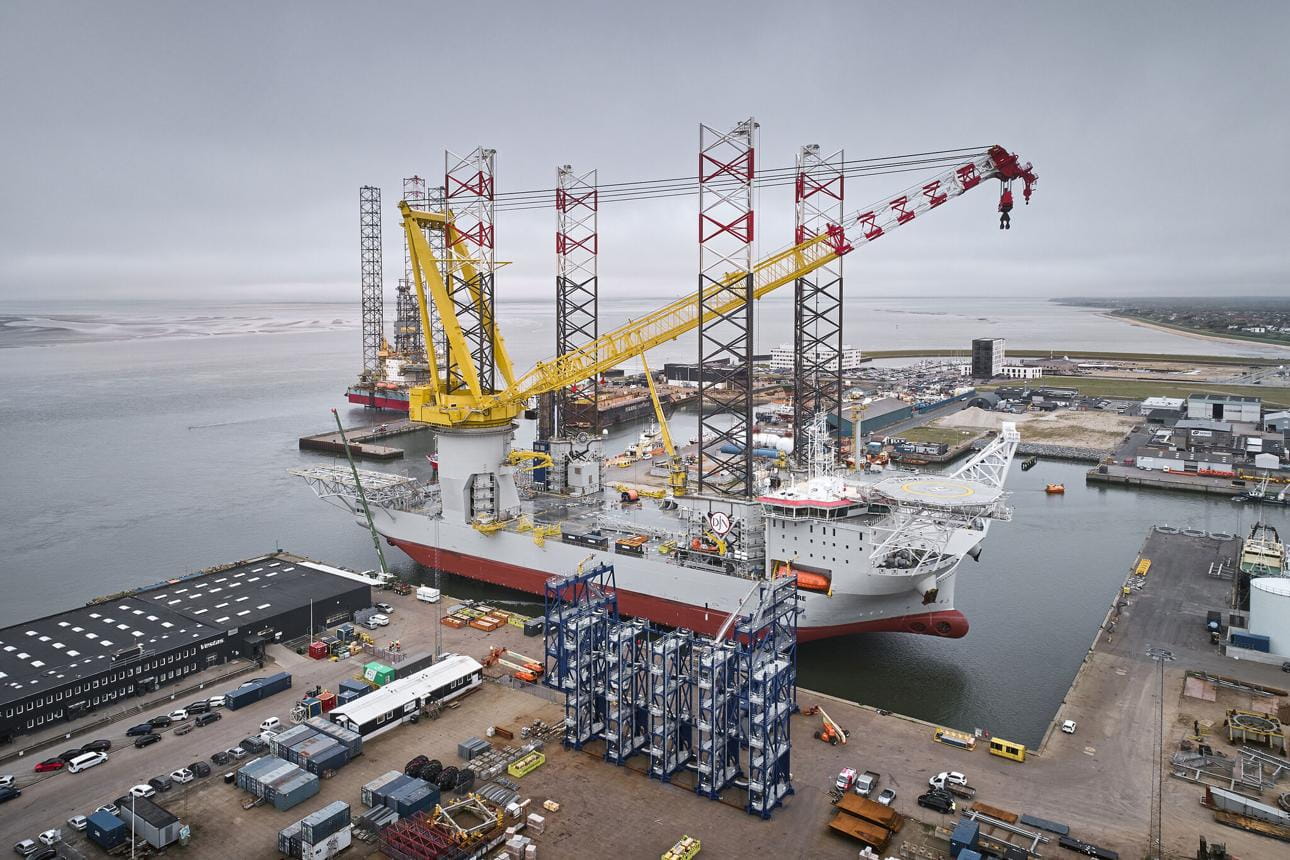
Esbjerg: From the wind-blown Danish port that ships turbines across the North Sea, Europe’s next energy bet looks less like a pipeline and more like a power line. The Commission’s electrification plan, unveiled in July, sets out to turn the continent into what officials call the first electro-powered economy, lifting electricity from under a quarter of final energy use to nearly half by 2040.

The logic is blunt. Every kilowatt-hour drawn from European wind, solar or nuclear is a kilowatt-hour no one buys as imported gas or oil. The Commission argues the shift could cut fossil-fuel imports by as much as 260 billion euros a year, ease bills for households and factories, and anchor hundreds of thousands of jobs in grids, heat pumps and batteries. The strategy sits on the Commission’s electrification pages.

Getting there means rebuilding the machine that moves power. A companion grids package pushes national planners to expand and modernise networks, adopt smart technologies that squeeze more capacity from existing lines, and speed the permits that renewable and storage projects wait years to obtain. Without more copper in the ground, clean generation stacks up behind connection queues.

The plan leans on member states to pull the demand-side levers. It urges capitals to cut value-added tax on electric vehicles and heat pumps, phase out the subsidies that still cushion fossil fuels, and put the Renewable Energy Directive fully into force. Each measure nudges households and firms to plug in rather than burn.

Ports like Esbjerg show the industrial stakes. The harbour already assembles and exports offshore wind components, and a more electrified economy would deepen that order book while pulling in the cabling, converter stations and battery plants that a bigger grid demands.

The package also reopens the Emissions Trading System, the carbon market that sets a price on pollution. Wind-industry groups argue that a heavier reliance on electricity only works if the carbon price stays strong enough to keep gas plants honest and reward clean power. A soft market, they warn, would undercut the whole ambition.

Not everyone cheers. Energy-intensive manufacturers worry that switching to electricity exposes them to volatile power prices unless network charges and taxes fall in step. The plan proposes new rules on those charges, but the detail will decide whether a steel mill or chemical works can actually afford to electrify its furnaces.

Governments guard their own patch too. Grid planning, permitting and tax all sit close to national competence, and several capitals will resist Brussels setting the pace. The Commission can propose and cajole, yet the money and the planning consents flow through member states.

The direction, though, is set. Europe has watched two winters of gas anxiety and drawn a clear conclusion, that the safest fuel is the one it can generate at home. The electrification plan turns that instinct into targets, and the coming legislative fights will show how fast the continent will wire itself for them.