Luxembourg: From the statistical agency perched above the Kirchberg plateau, the latest reading on European prices landed with an uncomfortable message. Euro-area annual inflation rose to 3.2 percent in May, up from 3.0 percent in April, while across the wider European Union the rate climbed to 3.3 percent. After two years of broadly cooling prices, the direction of travel has turned, and energy is the culprit.
Eurostat put the energy component up 10.9 percent over the year, the steepest rise since early 2023. The agency tied the surge to supply constraints linked to conflict in the Middle East, a reminder that Europe’s energy bills remain hostage to events far beyond its borders. For households that had begun to feel relief at the petrol pump and on heating statements, the rebound is a familiar and unwelcome shock.
The detail beneath the headline complicates any simple story. Services inflation accelerated to 3.5 percent from 3.0 percent, and non-energy industrial goods edged up too, both signs that price pressure is not confined to volatile energy markets but is seeping into the broader economy. Working in the other direction, inflation for food, alcohol and tobacco eased to 2.0 percent from 2.4 percent, a modest comfort for grocery budgets.
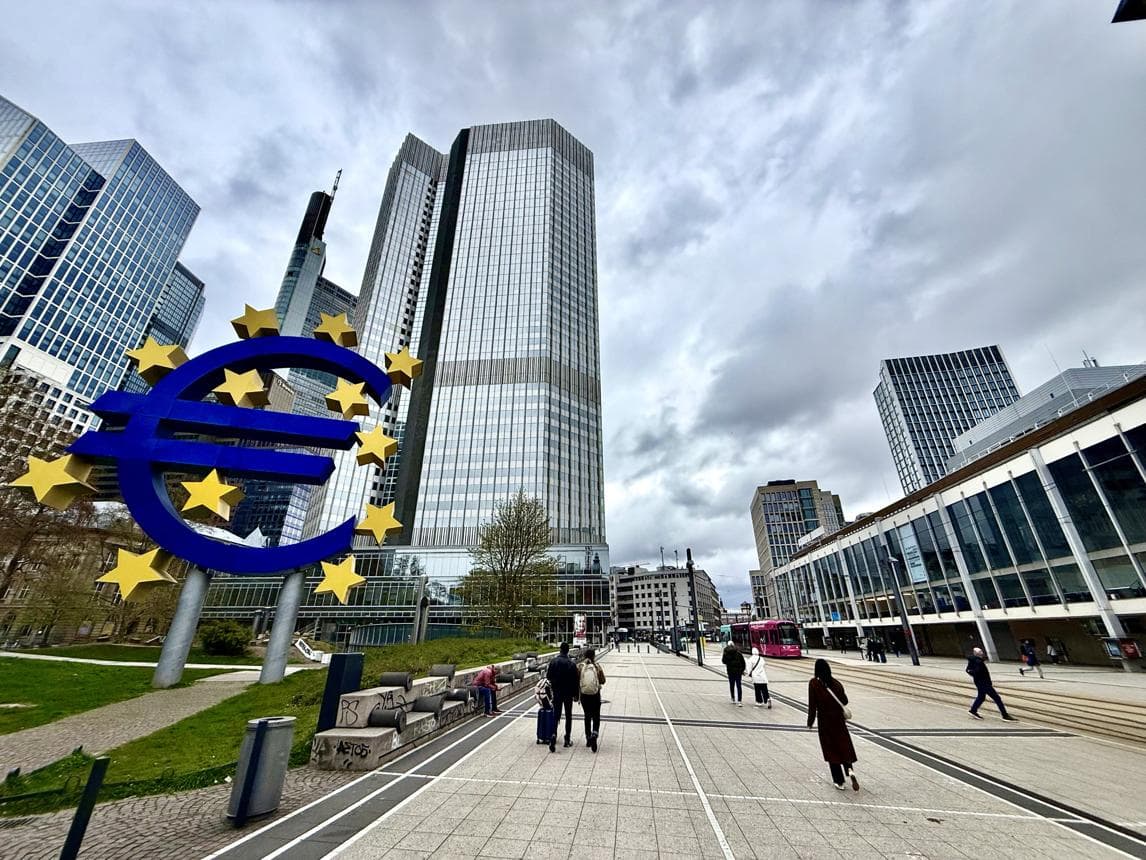
The figures matter well beyond the spreadsheet because they shape expectations at the European Central Bank, which has spent the cycle trying to coax inflation back toward its two percent target without choking growth. A reading drifting upward, driven partly by sticky services costs rather than one-off energy spikes, gives the cautious camp on the governing council reason to resist cutting rates further.
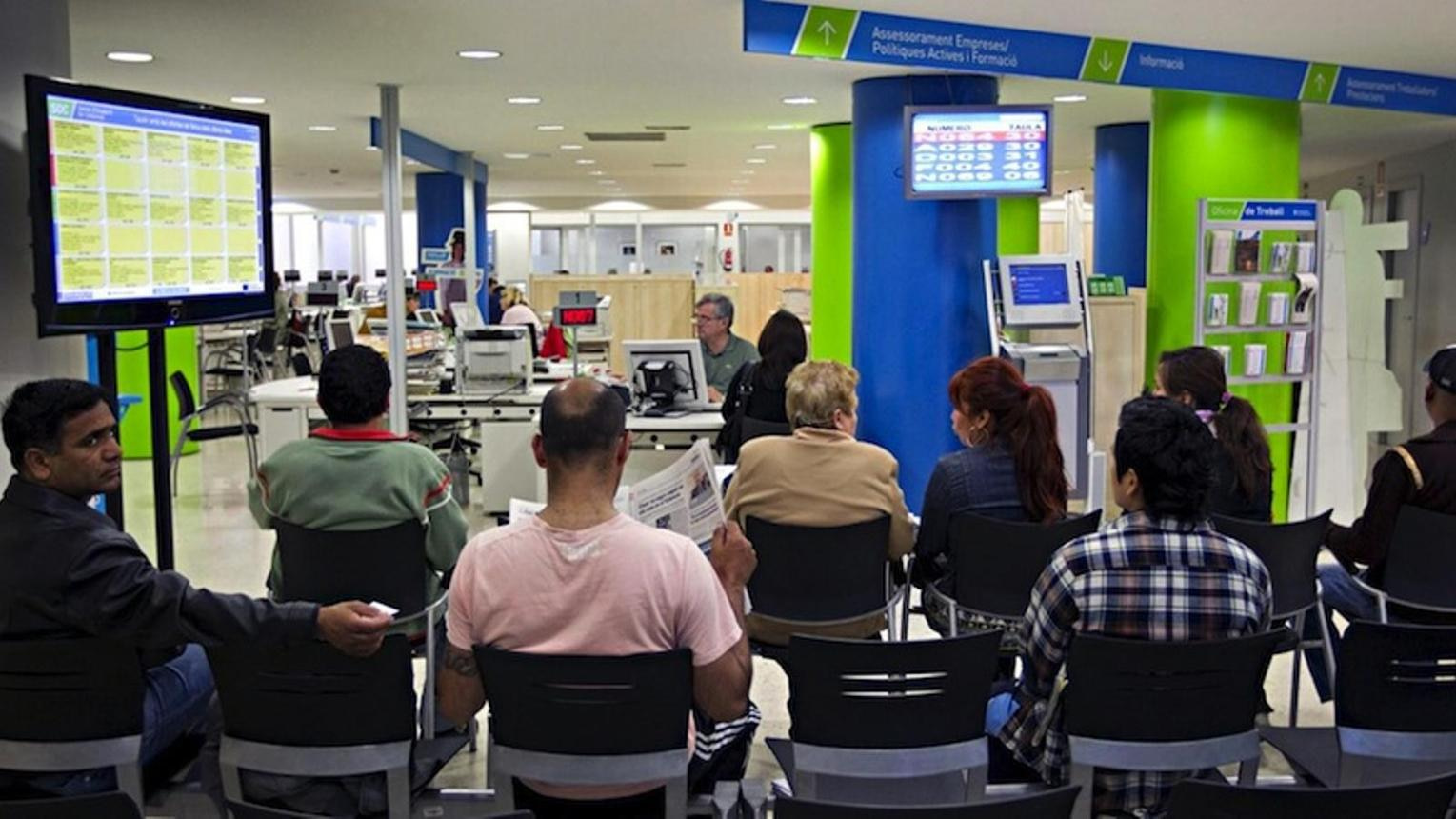
Other indicators released by the agency sketch a labour market that remains tight even as price pressure builds. Hourly labour costs rose 3.2 percent in the euro area in the first quarter and 3.6 percent across the EU, while the job vacancy rate ticked up to 2.3 percent, evidence that employers are still competing for workers. Strong wage growth supports household spending but also feeds the services prices that are now proving hardest to tame.
The wider backdrop is less reassuring. The agency noted that the EU economy contracted in the period, its first shrinkage in three years, an awkward pairing of stagnant output with rising prices that revives old fears of stagflation. Policymakers face the uncomfortable arithmetic of a slowing economy that nonetheless offers little room to loosen policy.
For the statisticians in Luxembourg, the task is simply to measure, not to prescribe. But their May release hands governments and central bankers a harder set of choices than they faced a few months ago, and a reminder that the disinflation of recent years was never guaranteed to hold.