August 9, 2026
LATEST
New EU Gas Market Rules Take Effect With Consumer SafeguardsDeforestation Regulation Holds Its December Deadline Despite CutsDigital Omnibus Delays Europe’s High-Risk AI Deadline to 2027Europe’s Schools Confront a Widening Basic Skills GapRule of Law Report Finds Progress but Trust Still LagsIRIS2 Gains 66 Satellites as Brussels Signs the Rollout DealNature Restoration Plans Come Due as Member States Race a DeadlineECB Rates Hold at 2.25 Percent as Frankfurt Waits on the DataEU Budget Talks Turn to Cohesion as Ireland Takes OverWildfire Response Stretches Europe’s Emergency Fleet ThinCan Europe’s Quantum Plan Match Its Big Ambitions?Armenia Edges West as Moscow’s Grip Slips AwayEurope Inherits the World’s Aid Bill It Cannot Fully PayAir Passenger Rights Get Their First Overhaul in Two DecadesErasmus Opens a 5 Billion Euro Round for Skills and MobilityCeuta Crisis Pushes the EU Toward Faster Migrant ReturnsBulky Parcels Face a Packaging Crackdown From August 12Can Europe Build Its Drone Wall Before 2030 Arrives?Indonesia’s Trade Deal With Europe Nears Its Final SignatureEurope Leans on Beijing to Keep Climate Talks Alive Before AntalyaNew EU Gas Market Rules Take Effect With Consumer SafeguardsDeforestation Regulation Holds Its December Deadline Despite CutsDigital Omnibus Delays Europe’s High-Risk AI Deadline to 2027Europe’s Schools Confront a Widening Basic Skills GapRule of Law Report Finds Progress but Trust Still LagsIRIS2 Gains 66 Satellites as Brussels Signs the Rollout DealNature Restoration Plans Come Due as Member States Race a DeadlineECB Rates Hold at 2.25 Percent as Frankfurt Waits on the DataEU Budget Talks Turn to Cohesion as Ireland Takes OverWildfire Response Stretches Europe’s Emergency Fleet ThinCan Europe’s Quantum Plan Match Its Big Ambitions?Armenia Edges West as Moscow’s Grip Slips AwayEurope Inherits the World’s Aid Bill It Cannot Fully PayAir Passenger Rights Get Their First Overhaul in Two DecadesErasmus Opens a 5 Billion Euro Round for Skills and MobilityCeuta Crisis Pushes the EU Toward Faster Migrant ReturnsBulky Parcels Face a Packaging Crackdown From August 12Can Europe Build Its Drone Wall Before 2030 Arrives?Indonesia’s Trade Deal With Europe Nears Its Final SignatureEurope Leans on Beijing to Keep Climate Talks Alive Before Antalya
August 9, 2026
LATEST
New EU Gas Market Rules Take Effect With Consumer SafeguardsDeforestation Regulation Holds Its December Deadline Despite CutsDigital Omnibus Delays Europe’s High-Risk AI Deadline to 2027Europe’s Schools Confront a Widening Basic Skills GapRule of Law Report Finds Progress but Trust Still LagsIRIS2 Gains 66 Satellites as Brussels Signs the Rollout DealNature Restoration Plans Come Due as Member States Race a DeadlineECB Rates Hold at 2.25 Percent as Frankfurt Waits on the DataEU Budget Talks Turn to Cohesion as Ireland Takes OverWildfire Response Stretches Europe’s Emergency Fleet ThinCan Europe’s Quantum Plan Match Its Big Ambitions?Armenia Edges West as Moscow’s Grip Slips AwayEurope Inherits the World’s Aid Bill It Cannot Fully PayAir Passenger Rights Get Their First Overhaul in Two DecadesErasmus Opens a 5 Billion Euro Round for Skills and MobilityCeuta Crisis Pushes the EU Toward Faster Migrant ReturnsBulky Parcels Face a Packaging Crackdown From August 12Can Europe Build Its Drone Wall Before 2030 Arrives?Indonesia’s Trade Deal With Europe Nears Its Final SignatureEurope Leans on Beijing to Keep Climate Talks Alive Before AntalyaNew EU Gas Market Rules Take Effect With Consumer SafeguardsDeforestation Regulation Holds Its December Deadline Despite CutsDigital Omnibus Delays Europe’s High-Risk AI Deadline to 2027Europe’s Schools Confront a Widening Basic Skills GapRule of Law Report Finds Progress but Trust Still LagsIRIS2 Gains 66 Satellites as Brussels Signs the Rollout DealNature Restoration Plans Come Due as Member States Race a DeadlineECB Rates Hold at 2.25 Percent as Frankfurt Waits on the DataEU Budget Talks Turn to Cohesion as Ireland Takes OverWildfire Response Stretches Europe’s Emergency Fleet ThinCan Europe’s Quantum Plan Match Its Big Ambitions?Armenia Edges West as Moscow’s Grip Slips AwayEurope Inherits the World’s Aid Bill It Cannot Fully PayAir Passenger Rights Get Their First Overhaul in Two DecadesErasmus Opens a 5 Billion Euro Round for Skills and MobilityCeuta Crisis Pushes the EU Toward Faster Migrant ReturnsBulky Parcels Face a Packaging Crackdown From August 12Can Europe Build Its Drone Wall Before 2030 Arrives?Indonesia’s Trade Deal With Europe Nears Its Final SignatureEurope Leans on Beijing to Keep Climate Talks Alive Before Antalya

Energy Bills Drive Eurozone Inflation Back Above Three Percent

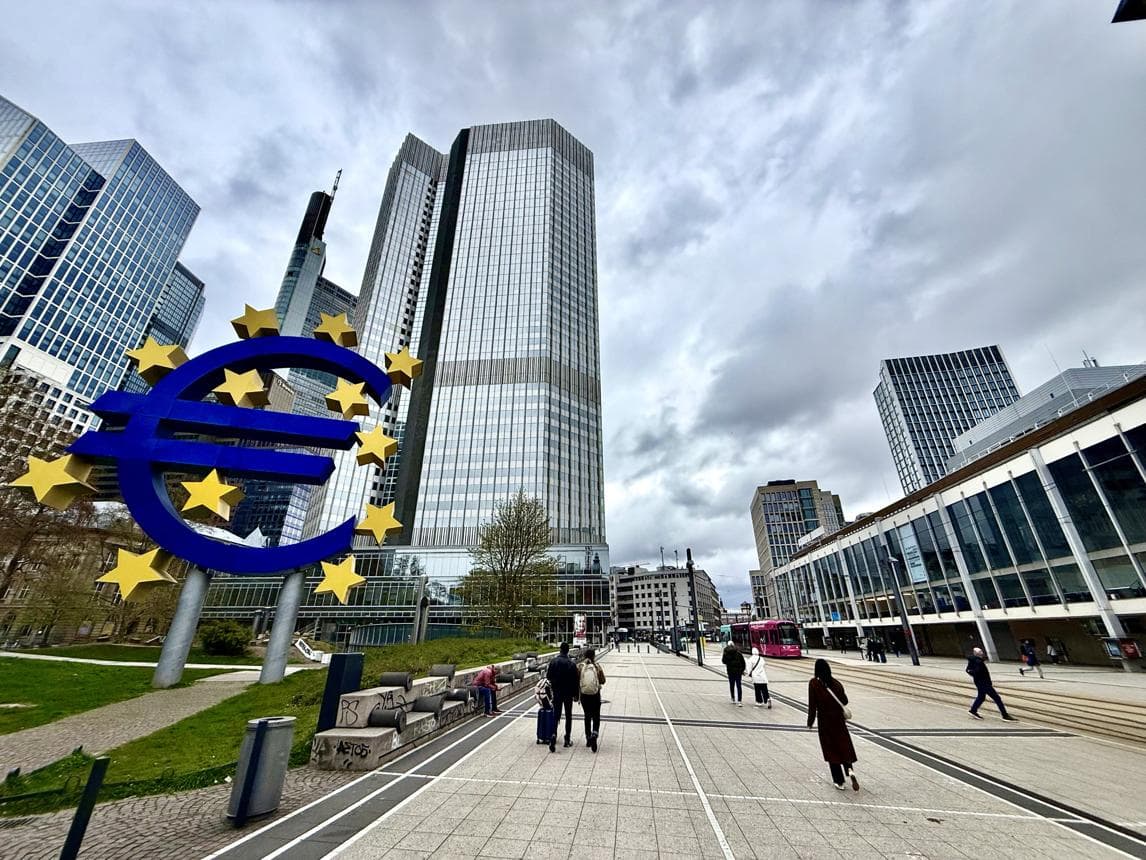
Lisbon: Just as Europe’s central bankers seemed to have wrestled inflation toward something resembling normality, the latest figures from the statistical office offer an unwelcome reminder of how stubborn the problem remains. Consumer prices across the euro area rose at an annual rate of 3.2 percent in May, up from 3.0 percent in April, according to Eurostat’s flash estimate. The increase is modest in size but awkward in timing, nudging inflation further above the European Central Bank’s two percent target at the very moment markets had been betting on further interest-rate cuts.

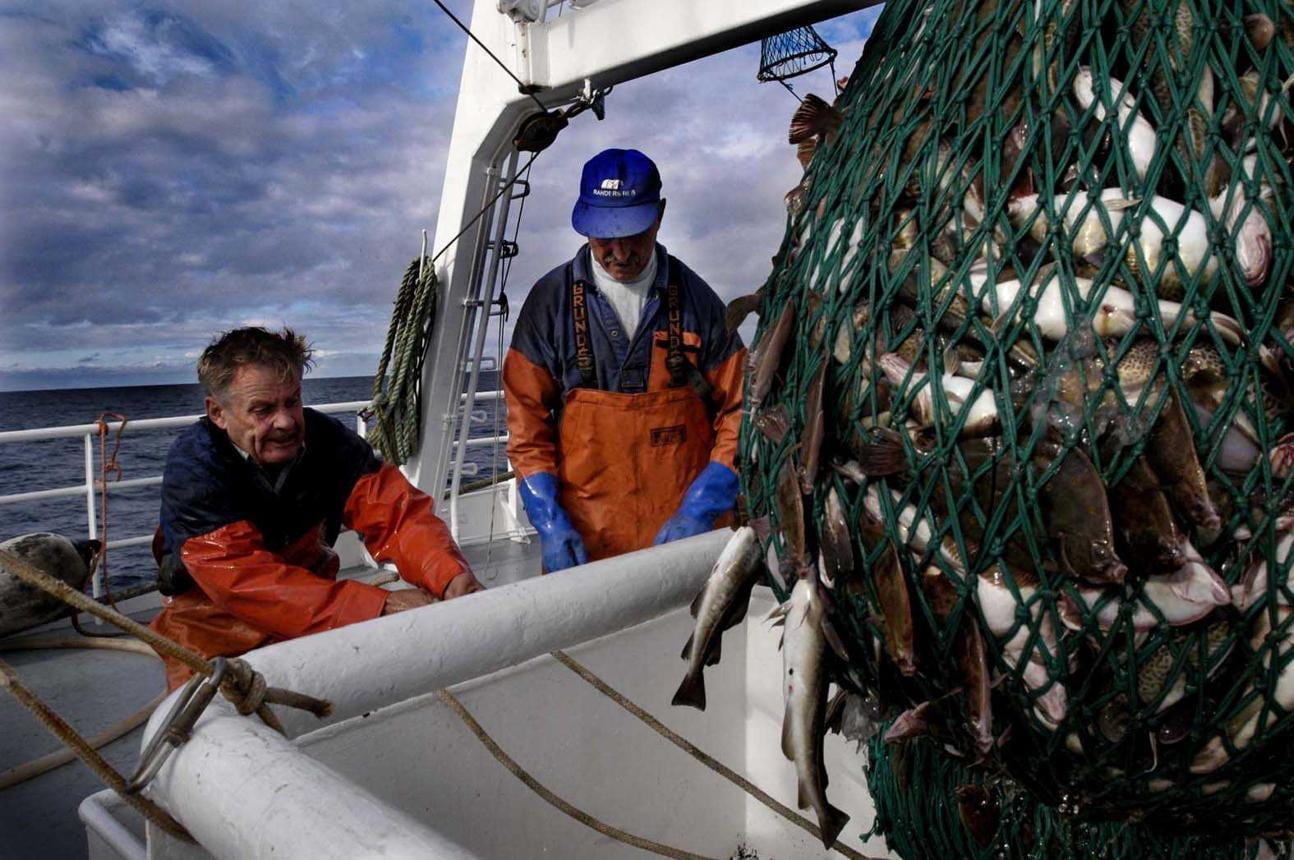
The culprit is energy. After months in which falling fuel costs helped drag the headline number down, the picture has flipped: energy prices were up 10.9 percent over the year in May, a dramatic jump from 5.1 percent the previous month. The swing reflects both renewed pressure on wholesale gas and electricity and the way year-on-year comparisons can amplify a single volatile category. Strip energy out and the underlying trend looks calmer, but for households filling tanks and paying electricity bills, the abstraction offers little comfort.

The other components tell a more reassuring story. Services inflation, which central bankers watch closely as a gauge of domestically generated price pressure, eased slightly to 3.0 percent from 3.2 percent. Food, alcohol and tobacco crept up to 2.5 percent, while non-energy industrial goods remained subdued at 0.8 percent. The composition matters because policymakers distinguish between inflation imported through volatile commodities, which monetary policy can do little about, and the more persistent kind generated by wages and services at home. On that measure the data are mixed rather than alarming, which is precisely what makes the central bank’s next decision so finely balanced.

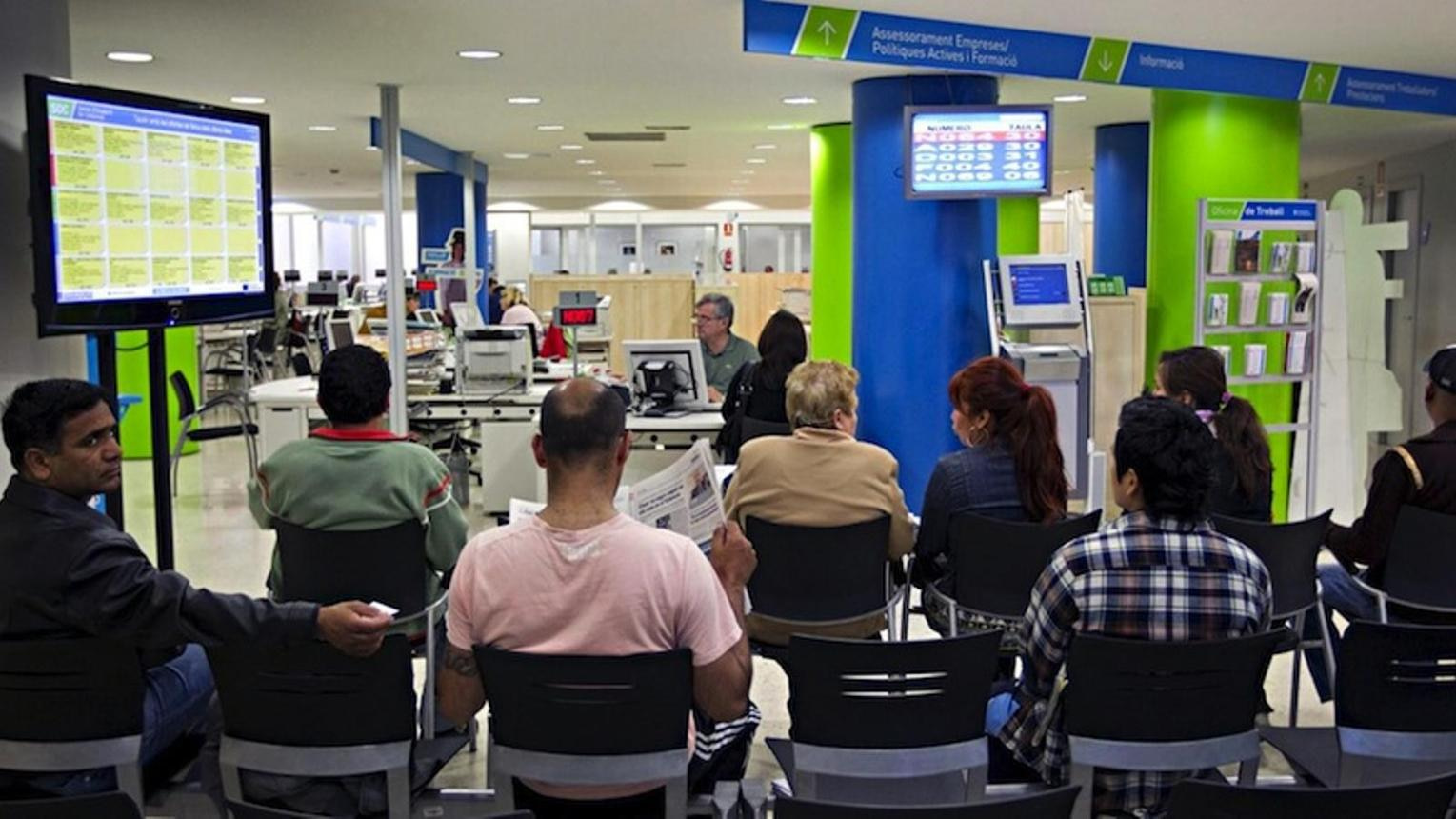
The labour market provides the backdrop. Unemployment in the euro area held at 6.3 percent in April, unchanged from March and from a year earlier, leaving the bloc near the lowest jobless rate of its existence. A tight labour market sustains the consumer spending that underpins services inflation, and it gives workers bargaining power to push for wage rises that can keep prices elevated. For the central bank, steady employment is welcome news that nonetheless complicates the case for loosening policy, since an economy near full employment has less obvious need of cheaper money.

These numbers feed directly into a debate already running hot among Europe’s monetary authorities. Having cut rates over the past year as inflation retreated, the bank now faces evidence that the descent has stalled and, on the headline measure, partially reversed. Doves will point to the benign services and goods figures and argue that the energy spike is a transient distortion that should not derail support for a still-fragile recovery. Hawks will counter that any reacceleration, whatever its source, argues for patience before cutting further. The flash estimate will be revised, and a single month rarely settles such arguments, but the figures sharpen a dilemma that will define the coming meetings.

For ordinary Europeans, the statistical nuance is beside the point. What they register is that the cost of keeping the lights on and the car running is climbing again, a year after they were promised the worst had passed. The data confirm that the last stretch of the journey back to stable prices is proving the hardest, and that energy, the original driver of the inflation crisis, has not finished making trouble.