August 9, 2026
LATEST
New EU Gas Market Rules Take Effect With Consumer SafeguardsDeforestation Regulation Holds Its December Deadline Despite CutsDigital Omnibus Delays Europe’s High-Risk AI Deadline to 2027Europe’s Schools Confront a Widening Basic Skills GapRule of Law Report Finds Progress but Trust Still LagsIRIS2 Gains 66 Satellites as Brussels Signs the Rollout DealNature Restoration Plans Come Due as Member States Race a DeadlineECB Rates Hold at 2.25 Percent as Frankfurt Waits on the DataEU Budget Talks Turn to Cohesion as Ireland Takes OverWildfire Response Stretches Europe’s Emergency Fleet ThinCan Europe’s Quantum Plan Match Its Big Ambitions?Armenia Edges West as Moscow’s Grip Slips AwayEurope Inherits the World’s Aid Bill It Cannot Fully PayAir Passenger Rights Get Their First Overhaul in Two DecadesErasmus Opens a 5 Billion Euro Round for Skills and MobilityCeuta Crisis Pushes the EU Toward Faster Migrant ReturnsBulky Parcels Face a Packaging Crackdown From August 12Can Europe Build Its Drone Wall Before 2030 Arrives?Indonesia’s Trade Deal With Europe Nears Its Final SignatureEurope Leans on Beijing to Keep Climate Talks Alive Before AntalyaNew EU Gas Market Rules Take Effect With Consumer SafeguardsDeforestation Regulation Holds Its December Deadline Despite CutsDigital Omnibus Delays Europe’s High-Risk AI Deadline to 2027Europe’s Schools Confront a Widening Basic Skills GapRule of Law Report Finds Progress but Trust Still LagsIRIS2 Gains 66 Satellites as Brussels Signs the Rollout DealNature Restoration Plans Come Due as Member States Race a DeadlineECB Rates Hold at 2.25 Percent as Frankfurt Waits on the DataEU Budget Talks Turn to Cohesion as Ireland Takes OverWildfire Response Stretches Europe’s Emergency Fleet ThinCan Europe’s Quantum Plan Match Its Big Ambitions?Armenia Edges West as Moscow’s Grip Slips AwayEurope Inherits the World’s Aid Bill It Cannot Fully PayAir Passenger Rights Get Their First Overhaul in Two DecadesErasmus Opens a 5 Billion Euro Round for Skills and MobilityCeuta Crisis Pushes the EU Toward Faster Migrant ReturnsBulky Parcels Face a Packaging Crackdown From August 12Can Europe Build Its Drone Wall Before 2030 Arrives?Indonesia’s Trade Deal With Europe Nears Its Final SignatureEurope Leans on Beijing to Keep Climate Talks Alive Before Antalya
August 9, 2026
LATEST
New EU Gas Market Rules Take Effect With Consumer SafeguardsDeforestation Regulation Holds Its December Deadline Despite CutsDigital Omnibus Delays Europe’s High-Risk AI Deadline to 2027Europe’s Schools Confront a Widening Basic Skills GapRule of Law Report Finds Progress but Trust Still LagsIRIS2 Gains 66 Satellites as Brussels Signs the Rollout DealNature Restoration Plans Come Due as Member States Race a DeadlineECB Rates Hold at 2.25 Percent as Frankfurt Waits on the DataEU Budget Talks Turn to Cohesion as Ireland Takes OverWildfire Response Stretches Europe’s Emergency Fleet ThinCan Europe’s Quantum Plan Match Its Big Ambitions?Armenia Edges West as Moscow’s Grip Slips AwayEurope Inherits the World’s Aid Bill It Cannot Fully PayAir Passenger Rights Get Their First Overhaul in Two DecadesErasmus Opens a 5 Billion Euro Round for Skills and MobilityCeuta Crisis Pushes the EU Toward Faster Migrant ReturnsBulky Parcels Face a Packaging Crackdown From August 12Can Europe Build Its Drone Wall Before 2030 Arrives?Indonesia’s Trade Deal With Europe Nears Its Final SignatureEurope Leans on Beijing to Keep Climate Talks Alive Before AntalyaNew EU Gas Market Rules Take Effect With Consumer SafeguardsDeforestation Regulation Holds Its December Deadline Despite CutsDigital Omnibus Delays Europe’s High-Risk AI Deadline to 2027Europe’s Schools Confront a Widening Basic Skills GapRule of Law Report Finds Progress but Trust Still LagsIRIS2 Gains 66 Satellites as Brussels Signs the Rollout DealNature Restoration Plans Come Due as Member States Race a DeadlineECB Rates Hold at 2.25 Percent as Frankfurt Waits on the DataEU Budget Talks Turn to Cohesion as Ireland Takes OverWildfire Response Stretches Europe’s Emergency Fleet ThinCan Europe’s Quantum Plan Match Its Big Ambitions?Armenia Edges West as Moscow’s Grip Slips AwayEurope Inherits the World’s Aid Bill It Cannot Fully PayAir Passenger Rights Get Their First Overhaul in Two DecadesErasmus Opens a 5 Billion Euro Round for Skills and MobilityCeuta Crisis Pushes the EU Toward Faster Migrant ReturnsBulky Parcels Face a Packaging Crackdown From August 12Can Europe Build Its Drone Wall Before 2030 Arrives?Indonesia’s Trade Deal With Europe Nears Its Final SignatureEurope Leans on Beijing to Keep Climate Talks Alive Before Antalya

Erasmus Faces a Funding Reckoning as the Next EU Budget Looms

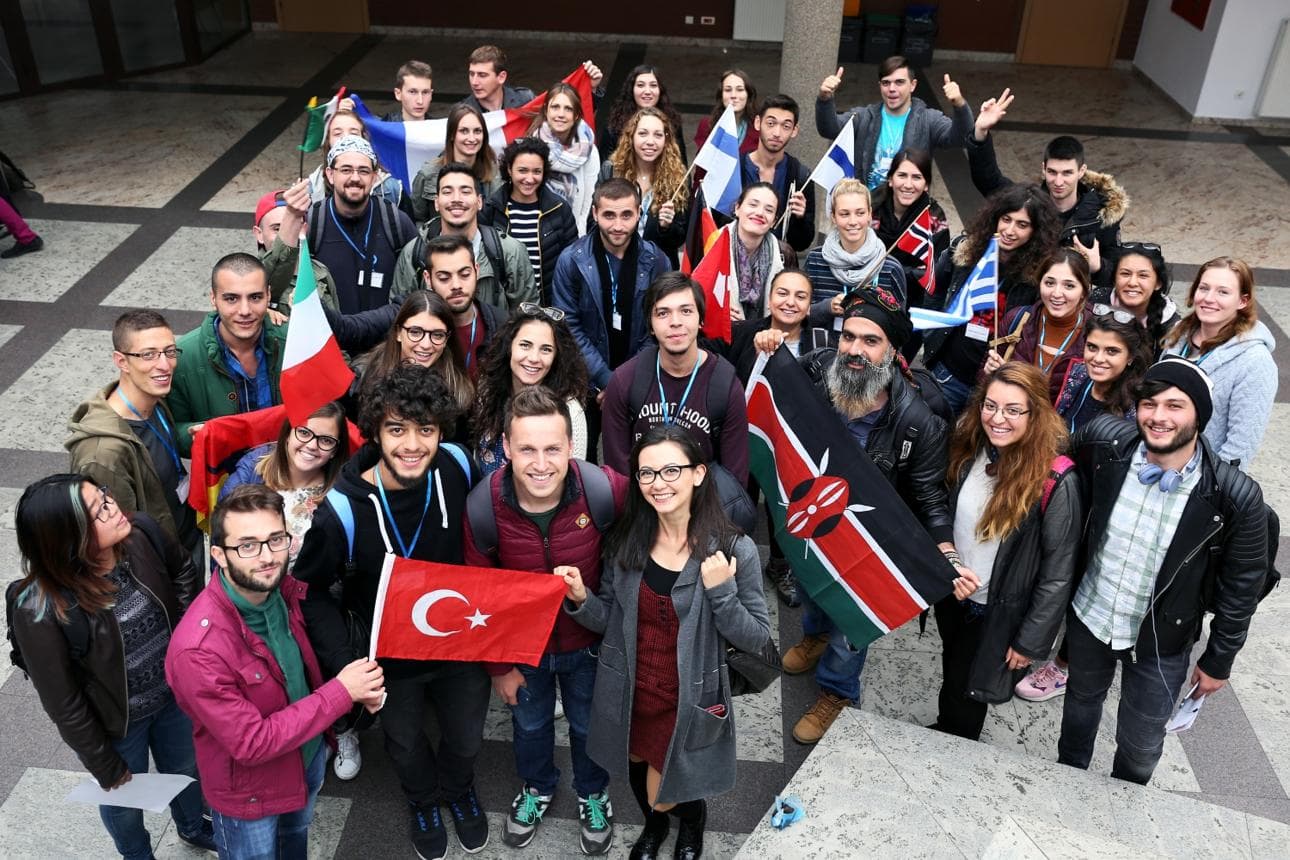
Warsaw: Few European programmes command the affection that Erasmus does. Nearly four decades after its launch it has become shorthand for a certain idea of the continent, one in which a student from a small university town spends a formative year abroad and returns with a second language, a wider network and a durable sense that the borders on the map matter less than they once did. Yet as the Union begins to sketch the shape of its next long-term budget, the programme that has carried so much symbolic weight faces hard questions about how much it will actually be given to do.

The immediate occasion is procedural. Work on the Erasmus regulation for the 2028 to 2034 period is under way, and an informal meeting of culture ministers at the start of June added political texture to what is otherwise a technical exercise. But the substance is anything but routine. Erasmus has grown far beyond the original student-exchange scheme into a sprawling instrument covering vocational training, youth work, sport and adult learning, and each expansion has stretched a budget that has never quite kept pace with the programme’s popularity. Demand routinely outstrips available places, and the gap between the rhetoric of universal opportunity and the reality of competitive selection has widened.

That gap sits at the heart of the coming negotiation. Advocates argue that a programme celebrated as one of the Union’s genuine successes should be funded to match its ambitions, particularly its pledge to reach students from poorer backgrounds who cannot self-finance a year abroad and for whom the grant is the difference between participation and exclusion. Without adequate support, mobility risks remaining the preserve of those who could largely have afforded it anyway, hollowing out the equity claim that gives the programme much of its moral force.

The fiscal backdrop is unforgiving. The next budget will be fought over by priorities that barely existed when Erasmus was conceived, from defence and security to industrial competitiveness and the servicing of shared debt. Education and culture have rarely been the loudest voices in that contest, and there is a real prospect that a beloved but non-strategic programme is asked to justify itself against demands framed in the language of geopolitical necessity. Ministers who praise Erasmus in speeches will be the same figures weighing it against tanks and microchips in the budget room.

There is also a quieter debate about purpose. Some see Erasmus primarily as an engine of skills and employability, aligning it with the Union’s economic agenda and the drive to build a workforce fluent across borders. Others insist its deeper value is civic, that it manufactures a generation instinctively comfortable with difference and therefore resistant to the nationalism that periodically tests European cohesion. The two visions are not incompatible, but they imply different metrics of success and, ultimately, different cases for money.

How that argument resolves will say something about what the Union believes it is for. A bloc that treats cross-border education as a luxury to be trimmed in lean years is making a statement, whether it intends to or not, about the depth of its integration. A bloc that protects and expands it, even under fiscal pressure, is making the opposite one. The Erasmus regulation will be drafted in the dry vocabulary of budget lines and eligibility criteria, but the choice underneath it is about whether the continent still wishes to invest in the habit of knowing one another.