Luxembourg: Euro area unemployment held steady over the summer, according to figures Eurostat released on 2 July, even as a small rise in youth joblessness hinted at strains beneath the surface. The single-currency bloc recorded a seasonally adjusted rate of 6.2 percent in May, unchanged from April and down from 6.3 percent a year earlier.
The wider Union posted a rate of 5.9 percent, also steady month on month and below the 6.0 percent of May 2025. The statistical office counted 13.163 million people out of work across the Union, of whom 10.986 million lived in the euro area. Compared with April, the ranks of the unemployed fell by 40,000 in the Union and by 55,000 in the euro area.
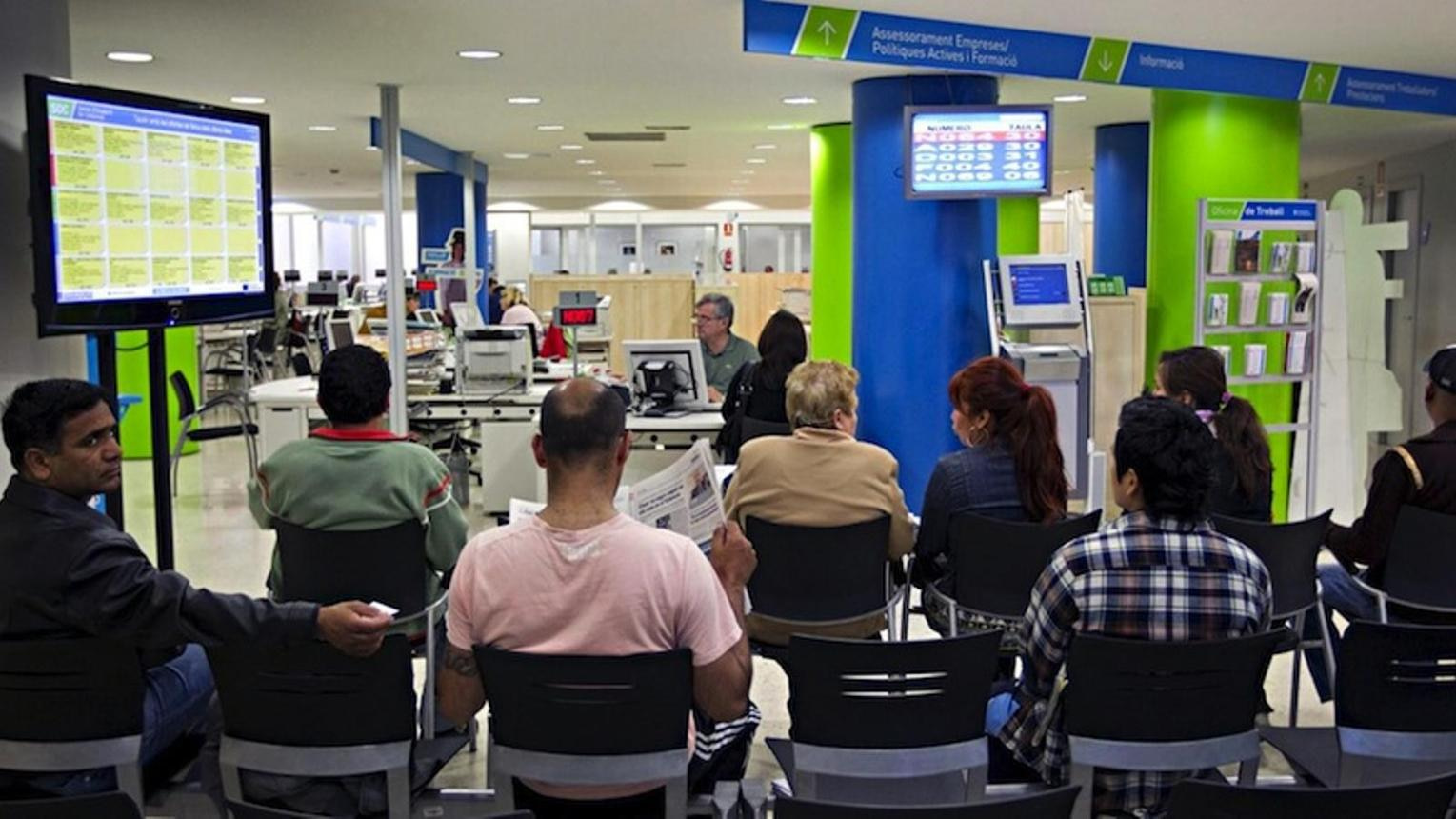
The picture for the young looks less reassuring. In May, 2.918 million people under 25 counted as unemployed across the Union, and the youth rate edged up to 15.2 percent from 15.1 percent. The euro-area equivalent held at 14.7 percent. The move looks small, but youth unemployment often leads the broader cycle and reveals where employers grow cautious first.
The stability of the headline rate stands out given the subdued growth of the past year. Firms appear to hold on to staff rather than shed them, a pattern economists call labour hoarding. That behaviour cushions the human cost of a slowdown, yet it can also mask weakness and delay the adjustment a genuine downturn usually brings.
Beneath the averages the map stays uneven. Several southern member states still carry unemployment rates far above the tightest northern labour markets, a spread that shapes migration flows and the politics of social policy. Vacancy data point the same way, as employers in parts of the north still struggle to fill posts even while joblessness lingers in the south. That mismatch leaves skills shortages and long-term unemployment sitting awkwardly side by side inside one currency union. Economists warn that such divergence complicates the task facing a single central bank, which must set one monetary policy for labour markets that behave very differently from one country to the next.
For policymakers the release offers relief and caution in equal measure. The resilience of headline employment supports the case that the economy is landing softly rather than stalling, yet the youth uptick warns that aggregate calm can hide a generational imbalance. Eurostat’s monthly series will show in the coming months whether May’s small rise among the young was noise or an early signal.