Brussels: In the great fishing ports of southern Europe, the smallest boats have long operated in a regulatory blind spot, slipping out before dawn and returning with catches that no electronic system ever recorded. A reform years in the making is about to switch the lights on. On 27 June the European Parliament’s fisheries committee endorsed a provisional agreement on a sweeping overhaul of the Union’s fisheries control regulation, the rulebook that governs how catches are monitored, reported and policed across European waters.
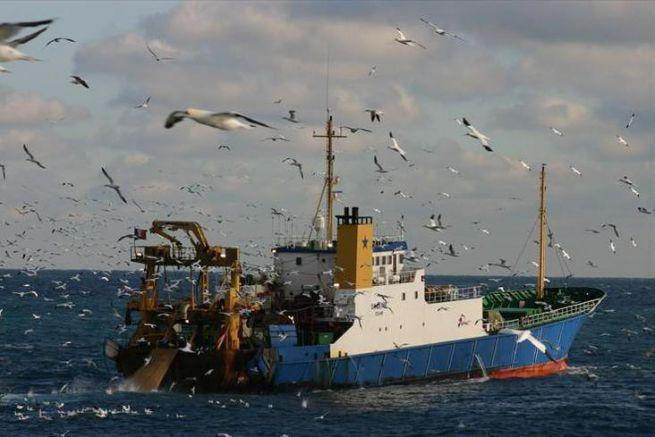
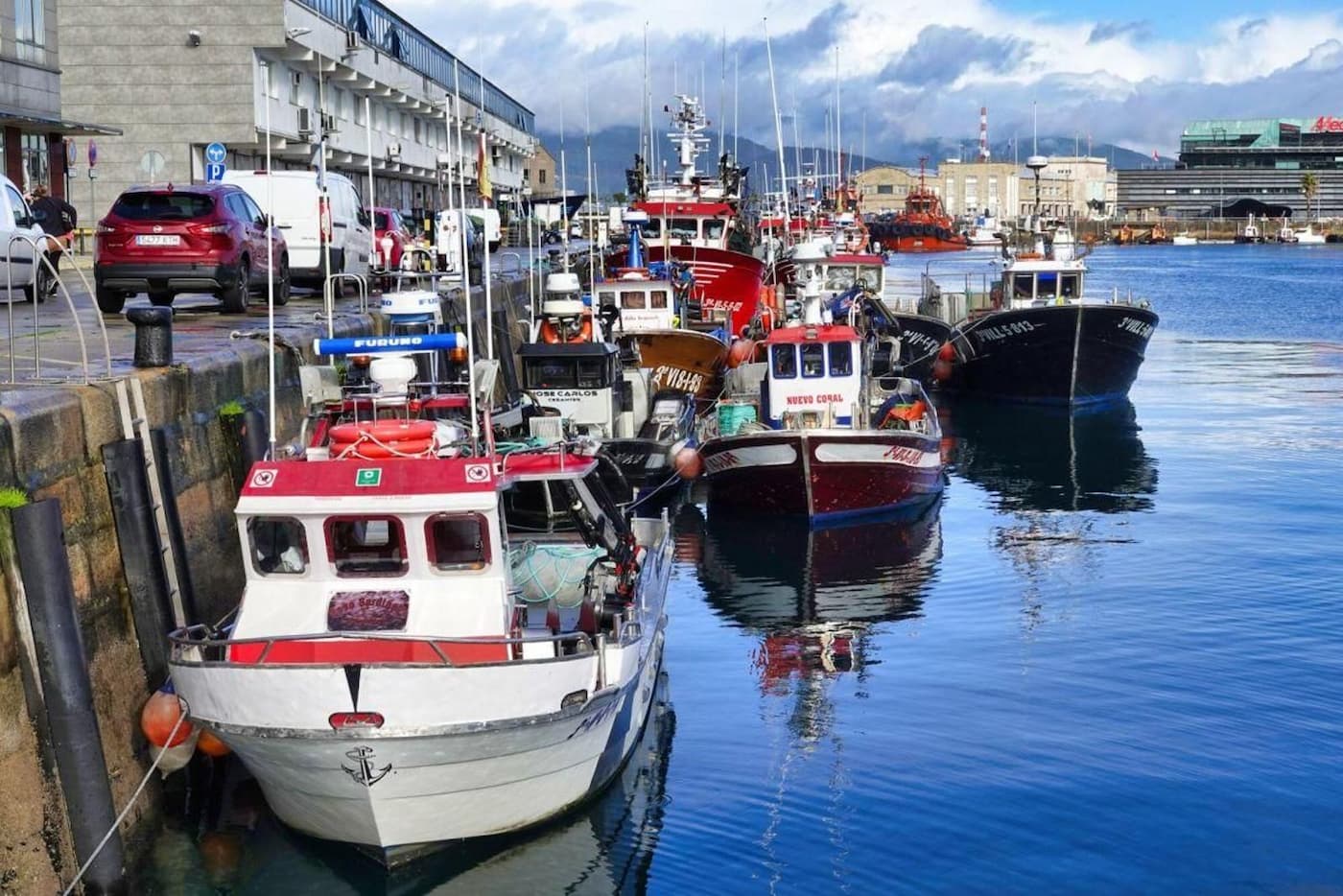
The centrepiece is universal tracking. Under the deal, location-tracking devices must be fitted to all vessels operating under Union jurisdiction by 2030, closing a gap that until now exempted the bloc’s large fleet of small coastal boats. In the interim, fishers will have to log their catches electronically regardless of vessel size, replacing the paper records that made cross-checking landings against quotas slow and porous. For processed products such as canned tuna, the agreement tightens traceability so that a tin on a supermarket shelf can be linked back through the supply chain.
The reform is aimed squarely at illegal, unreported and unregulated fishing, the practice that undermines quotas set to keep stocks alive and undercuts the fishers who play by the rules. The Commission first proposed modernising the control system five years ago, and the long negotiation reflects how sensitive the file became. Coastal communities feared that blanket monitoring would bury small operators in cost and bureaucracy, while conservation groups argued that without it the Union’s much-trumpeted sustainability targets were unenforceable.
The agreement tries to thread that needle. Member states will be required to report each year on how many infringements occurred in their waters and what sanctions they imposed, an accountability measure meant to end the wide and largely hidden variation in enforcement from one capital to another. By forcing that data into the open, the reform shifts pressure onto governments that have treated fisheries rules as optional, and gives the Commission a clearer picture of where the system leaks.
What the deal does not resolve is the burden on the smallest fishers. Tracking hardware, installation and the habit of digital reporting all cost money and time that an owner of a six-metre boat feels far more acutely than an industrial trawler operator. Negotiators have leaned on phased deadlines and simplified tools to soften the blow, and Union funds exist to subsidise equipment, but whether the support reaches the quaysides in time will shape how the reform is judged. Enforcement also still depends on national authorities willing to act on the data the new system generates.
The text now heads toward final confirmation by the full Parliament and the Council before it enters into force, with the toughest requirements staggered across the rest of the decade. Supporters cast it as the moment European fisheries policy finally acquired the means to verify its own promises. For an industry that has spent decades arguing over how many fish may be caught, the harder fight ahead may be over who is watching when the nets come up.