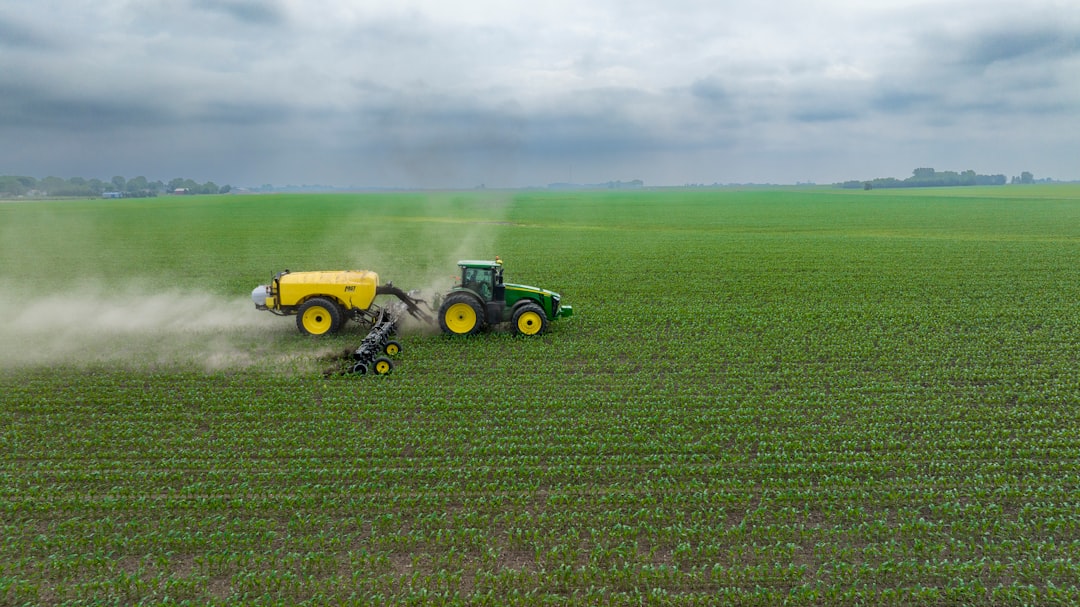
Toulouse: Across the cereal plains and vineyards that fan out from this southwestern French city, the paperwork that follows a tank of plant-protection product around a farm has become almost as familiar as the sprayer itself. Every application logged, every record retained, every official control documented in a format that varies subtly from one member state to the next. A new push from the Council aims to thin that file, and farmers from the Garonne valley to the Baltic are watching how far it goes.
On 27 May 2026 the Council agreed its negotiating position on part of the so-called Omnibus X package, the tenth in a series of simplification bundles the Commission has tabled since late 2025. This particular tranche covers food and feed safety legislation, reaching from rules on the sustainable use of pesticides and plant-protection products to record-keeping for farmed animals and the use of plastics in contact with food. The Cyprus presidency, which steered the file to agreement, framed it as cutting administrative cost without lowering the bloc’s safety standards.
The substance is more granular than the rhetoric. The Council mandate targets the obligations that generate the thickest paper trails: the records farmers must keep on pesticide use, the traceability documentation around animals, and the layered official-control requirements that national authorities apply on top of EU minimums. The Commission’s underlying proposal, presented in December 2025, argued that much of this reporting duplicates information already captured elsewhere, and that digitising or removing it would free time without weakening the data regulators actually rely on to police the food chain.
That argument is precisely where the fight begins. Farm organisations have broadly welcomed the direction, having spent years complaining that compliance has become a second job layered on top of the first, and that the smallest holdings carry the heaviest relative burden because they cannot spread the cost of an agronomist or a compliance clerk across a large turnover. Environmental and public-health groups counter that pesticide records are not bureaucratic clutter but the raw material for monitoring residue levels, tracking resistance, and reconstructing what went wrong when contamination is found. Strip the records, they argue, and the EU loses its ability to see what is actually being sprayed on the land that feeds it.
The package sits inside a wider simplification drive that the Commission has made central to its 2026 agenda, captured in the One Europe, One Market roadmap signed on 24 April, which commits to concluding work on all the simplification packages by the end of 2027. Officials are at pains to insist the exercise is about removing friction rather than rewriting standards, but the food and feed file is unusually exposed because the line between an unnecessary form and a necessary safeguard is rarely obvious until something on a plate makes people ill.
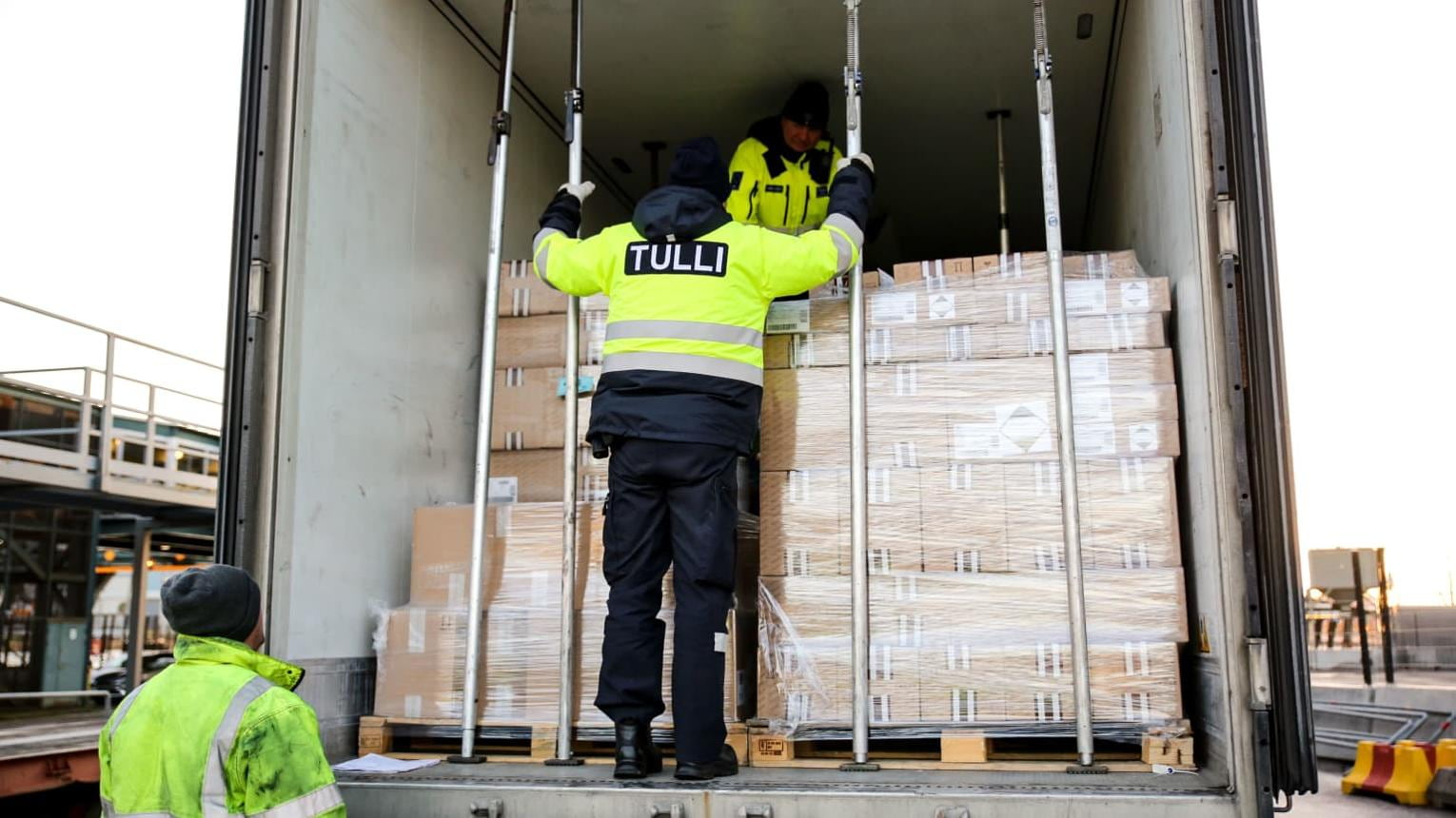
For now the Council position is only a mandate, the starting gun for negotiations with the European Parliament, where rapporteurs are likely to test how much of the simplification can survive without eroding traceability. The Commission has also signalled that controls on imports will tighten even as domestic paperwork eases, with the proportion of agri-food checks aimed at non-EU countries rising sharply in 2026, a reminder that simplification at home is being paired with more scrutiny at the border.
For a vineyard owner outside Toulouse, the test will be concrete: whether next spring’s spraying season comes with a thinner logbook, or whether the promised relief dissolves, as it has before, somewhere between a Council mandate and a national paying agency’s own requirements.