Barcelona: A master’s course run jointly from this Catalan city and from Dublin has become one of the first two programmes anywhere to carry the European Union’s new Joint European Degree Label, a milestone that turns years of policy talk into a diploma students can actually hold.
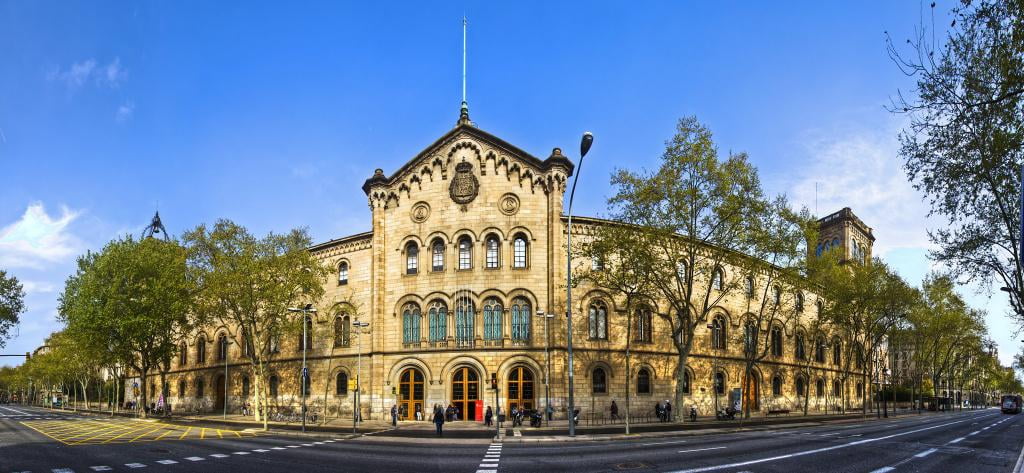
The Commission handed the label to two alliances at an event on 15 July. CHARM-EU won recognition for its Master’s in Global Challenges for Sustainability, a 90-credit programme academically led by Trinity College Dublin and administratively managed by the University of Barcelona. EU-CONEXUS earned the second label for its Joint Master in Marine Biotechnology, a 120-credit course coordinated by the Catholic University of Valencia.
The European degree label is not a qualification in its own right. It sits on top of an existing joint degree, certifying that a programme meets a common European standard built on genuine cross-border governance, integrated teaching, shared languages and a clear commitment to mobility and sustainability. In practice it tells employers and other universities that a course was designed and delivered as one European whole, not stitched together from separate national parts.
Money followed the recognition. The marine biotechnology master secured 4.6 million euro under the 2026 Erasmus Mundus call, while CHARM-EU received a further million to accredit additional programmes under the label. Officials hope those sums signal that the scheme carries funding weight, not just a certificate.
The prize matters because building a truly joint degree remains a bureaucratic ordeal. Universities that want to award a single diploma across borders must reconcile clashing accreditation rules, credit systems and quality checks that vary from one capital to the next. The label is meant to reward the alliances willing to push through that thicket, and to pressure national regulators into smoothing the path for those that follow.
Sceptics note that two programmes hardly amount to a European degree revolution. The Commission counts more than sixty university alliances across the continent, and only a handful are close to issuing jointly labelled degrees. National governments still hold the keys to recognition, and some guard their authority over higher education closely.
Supporters counter that every reform needs a first mover. By putting real diplomas in students’ hands in Barcelona, Dublin and Valencia, the Commission has shown that a European degree can move from slideshow to graduation ceremony. Whether the rest of the continent follows will depend less on Brussels and more on the willingness of ministries and rectors to let their institutions share a single European stamp.