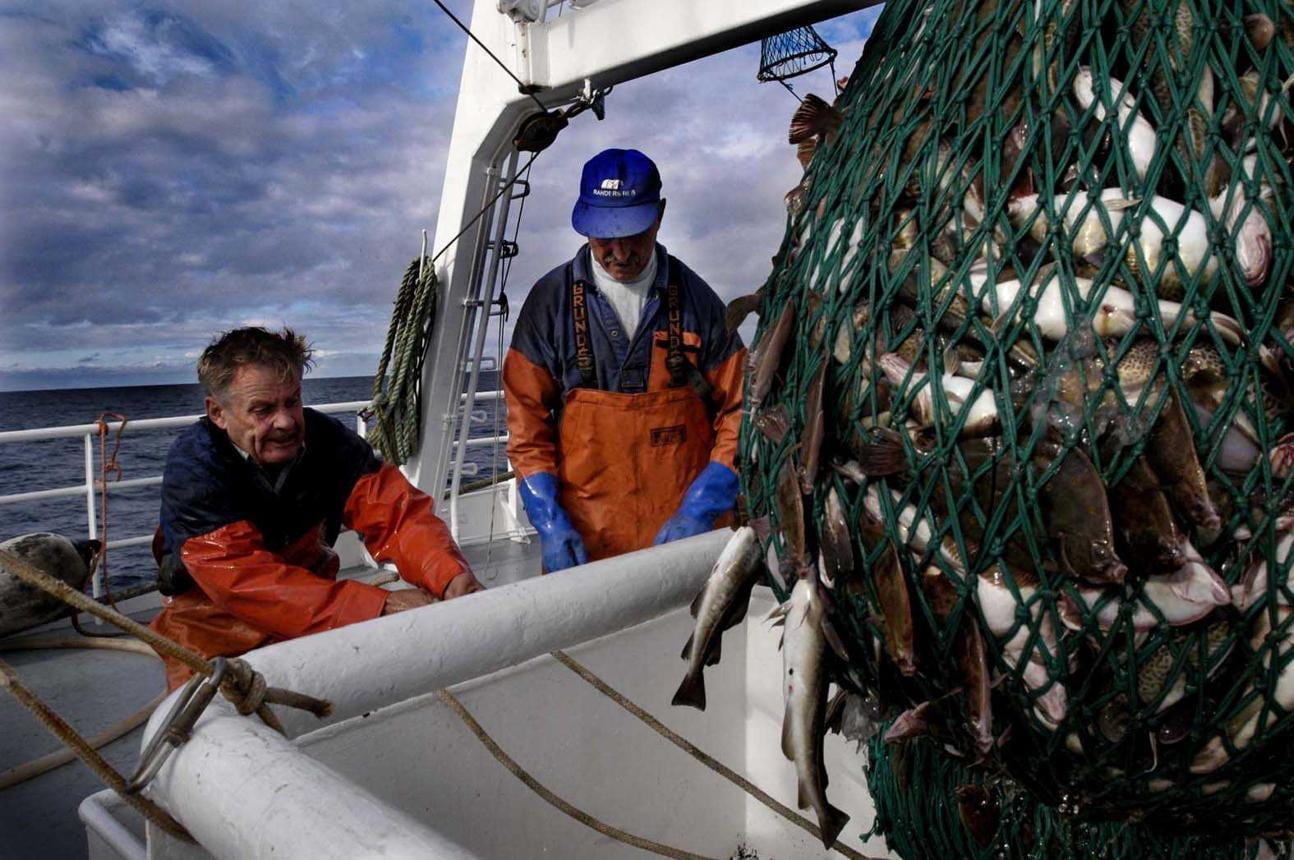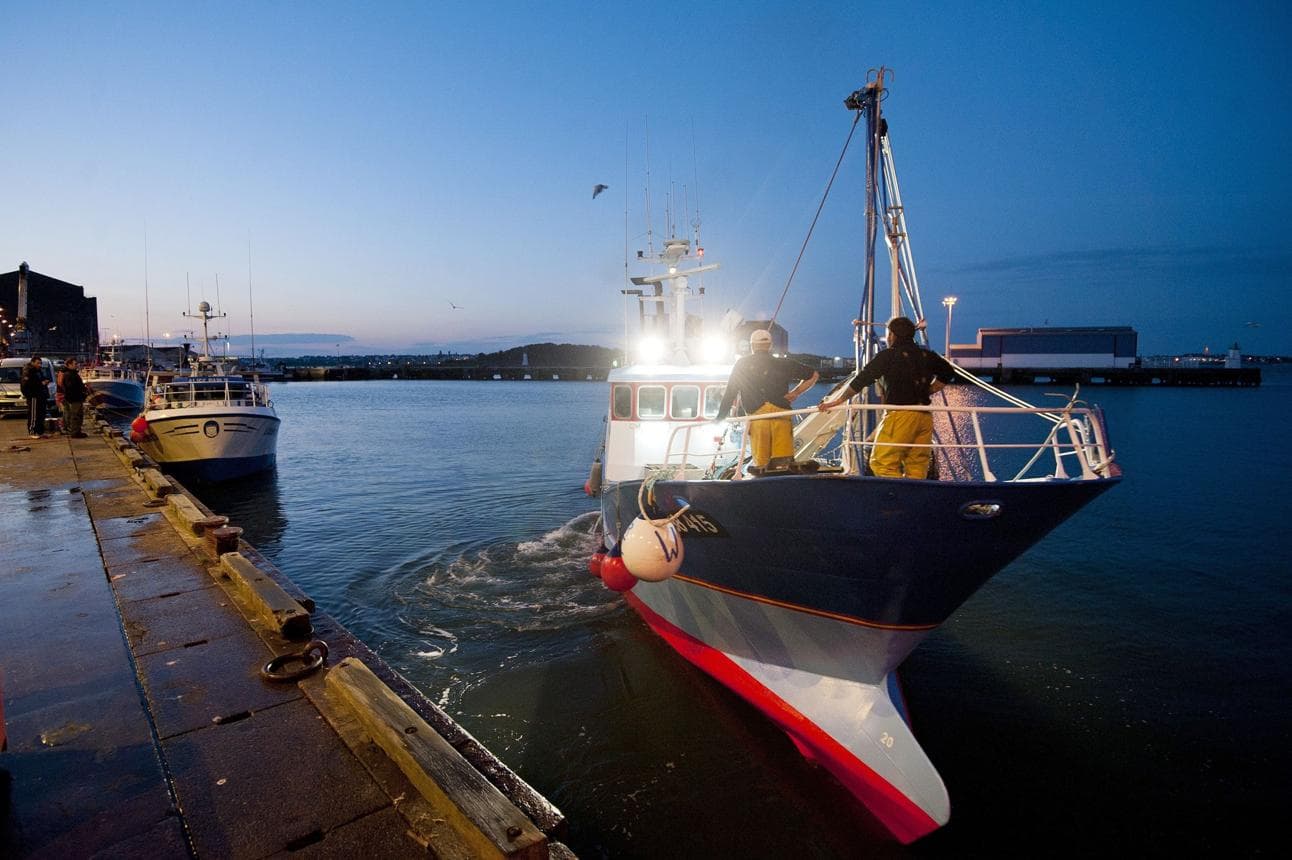
Lorient: In the trawler berths of Brittany’s busiest fishing port, the talk this month is not about quotas or fuel prices but about what lies four kilometres beneath the Atlantic. Europe’s fisheries advisory councils, the bodies that bring together skippers, processors and conservation groups, have formally endorsed a ban on commercial deep-sea mining, throwing the weight of an industry that feeds millions behind a fight usually waged by environmental campaigners.
The intervention matters because it scrambles the familiar lines of the debate. Mining the seabed for cobalt, nickel and manganese has long been pitched as a strategic necessity, a way for the Union to loosen its dependence on Chinese refiners as it electrifies its economy. Fishing crews, rarely natural allies of the green movement, have decided that the risk to the water column they work in outweighs any promise of mineral independence. Their argument is blunt. Nobody can yet show that scraping the abyssal plain will not smother spawning grounds and poison the food chain that ends in their nets.
That precautionary instinct is now spreading through the corridors of the institutions. More than forty governments worldwide have declared their opposition to seabed extraction, and the European bloc is no longer an outlier. France has written an outright prohibition into law, while Germany and Spain have imposed a pause until the science settles. The fisheries councils want that patchwork hardened into a single, durable position before the International Seabed Authority resumes its rule-writing negotiations later this year.
The timing is deliberate. Attention is converging on the Our Ocean conference, where ministers, scientists and industry will measure how far the Union’s flagship ocean strategy has travelled in twelve months. That strategy promised to weave together the blue economy, marine restoration and maritime security into one coherent agenda, and it carried with it the expectation of a forthcoming ocean law that would give the rhetoric teeth. Campaigners and, increasingly, fishing organisations want that law to contain an explicit shield for the deep sea rather than a vague aspiration.
Sceptics inside the mineral and defence lobbies warn that a permanent ban would simply hand the seabed to less scrupulous operators and deepen the very supply-chain vulnerabilities the Union spent the past two years trying to fix. They point out that batteries, wind turbines and missiles all need the metals that lie on the ocean floor, and that refusing to touch them at home while importing them from elsewhere is a moral evasion dressed up as caution. It is a serious objection, and it will not disappear simply because fishing crews have spoken.
Yet the politics are shifting under the industry’s feet. For coastal communities from Galicia to the Baltic, the sea is not an abstract resource ledger but a livelihood handed down across generations, and the prospect of trading it for a mine they will never see has proved deeply unpopular. When the people who haul fish for a living line up alongside marine biologists, lawmakers find it harder to dismiss the concern as fashionable environmentalism.
What happens next depends on whether the Commission is willing to convert a chorus of national moratoria into binding Union law. The fisheries councils have made their preference impossible to misread. Whether that preference becomes the bloc’s settled position, or dissolves under the pressure of the raw-materials agenda, will be one of the defining maritime questions of the year.