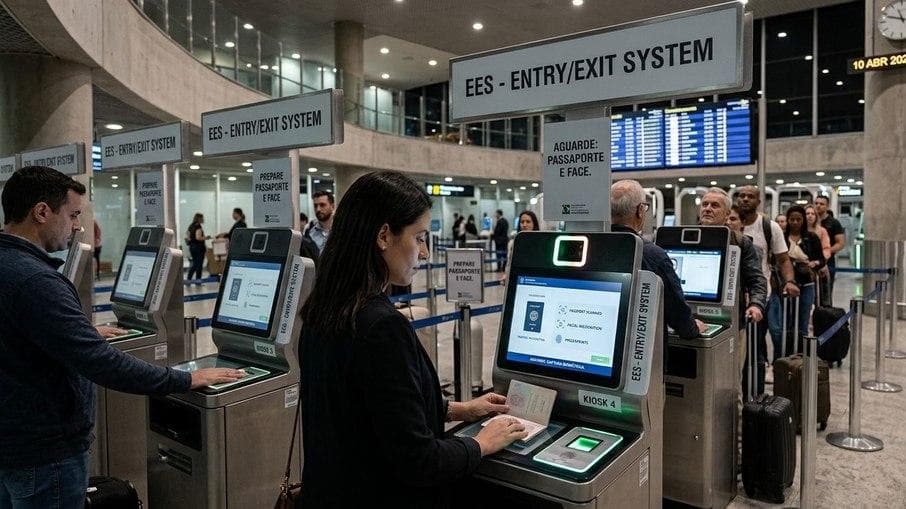
Lisbon: After thirteen years of stalled talks, European negotiators have finally agreed to overhaul the rules that govern what airlines owe their passengers. Ambassadors from the member states signed off on a common line on 13 June, and on 15 June Parliament and Council negotiators struck a provisional political agreement to revise Regulation 261/2004, the cornerstone of EU air passenger rights that had resisted reform since 2013. The deal still needs formal approval from both institutions before it becomes law.
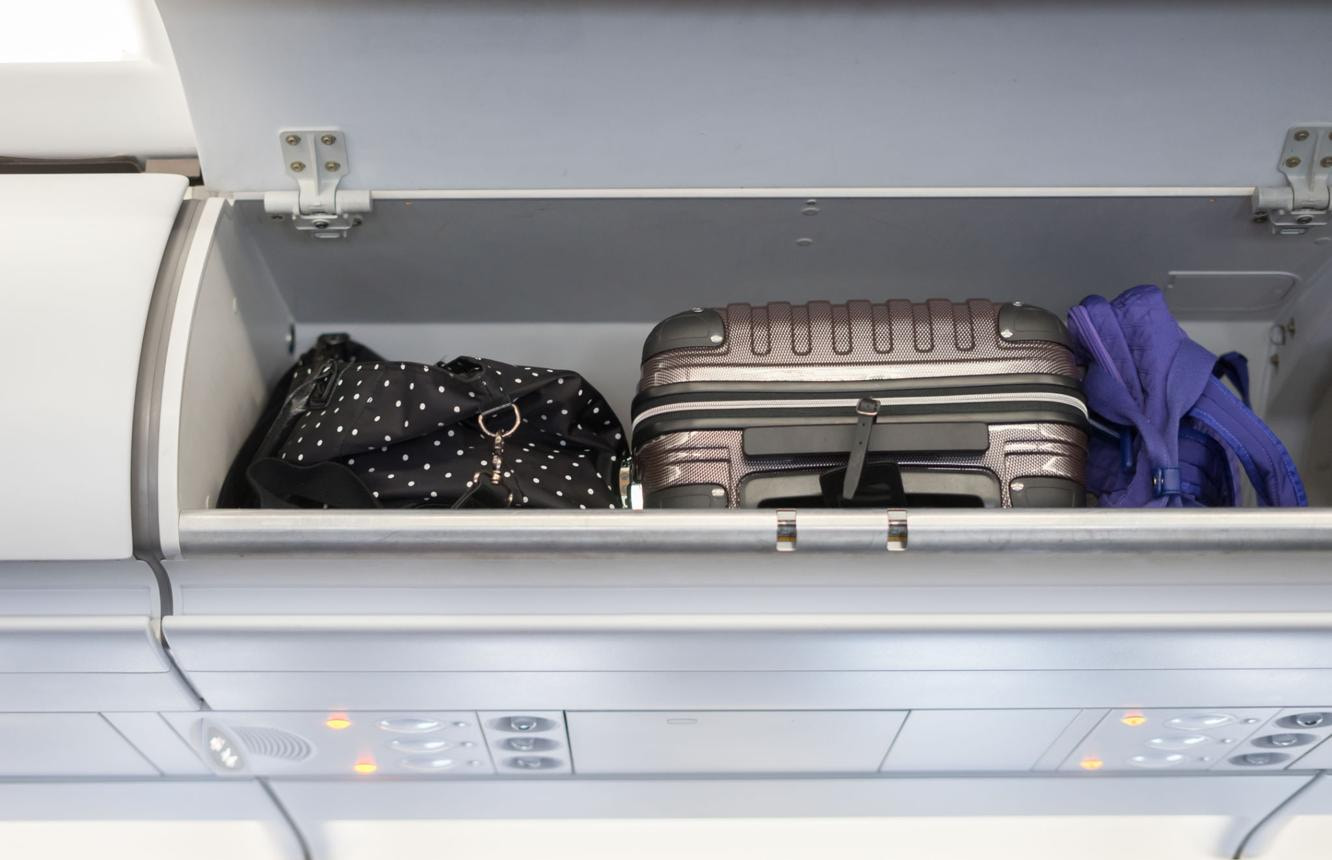
The most tangible change for travellers concerns baggage. Under the agreed text, carriers flying to and from EU airports must include both a small personal item and a standard cabin bag in the advertised base fare, ending the proliferation of add-on charges that turned headline ticket prices into a starting bid. The compromise also tightens fare transparency, curbs aggressive no-show policies that cancel return legs when a passenger misses an outbound flight, and strengthens protections for families travelling together and for people with reduced mobility.
The fiercest fight was over compensation, and on that point campaigners largely held the line. Passengers will keep the right to compensation when a flight is delayed by three hours or more, despite earlier proposals to raise the threshold to four or even five hours, a change airlines had pushed as a way to cut payouts on the marginal delays that make up the bulk of claims. In exchange, the package introduces clearer, more standardised procedures for lodging claims, intended to reduce the disputes and refusals that have long clogged national enforcement bodies and consumer courts.
Why it matters is partly about money and partly about predictability. Air travel is one of the most complained-about consumer services in the Union, and the 2004 rules had been stretched and reinterpreted by a string of court judgments precisely because lawmakers could not agree on an update. Codifying the three-hour threshold and spelling out claim procedures should give both passengers and carriers firmer ground, even if airlines warn that mandatory baggage inclusion will simply be priced back into fares.
The gains are not yet locked in. The provisional agreement must be ratified by the full Parliament and the Council, and the revised regulation is expected to enter into force in 2027, applying twelve months after publication in the Official Journal. Consumer groups welcomed the baggage and compensation outcomes while cautioning that enforcement, not legislation, has always been the weak point. For now, a reform that spent more than a decade going nowhere has at last cleared its hardest hurdle.