Copenhagen: The water flowing through Europe’s rivers and resting in its lakes is, in chemical terms, rarely pristine. A body of assessment work from the European Environment Agency has put hard numbers on a problem long suspected: most monitored rivers, transitional and coastal waters, and a large share of lakes carry at least one of a family of extremely persistent compounds that scientists judge harmful to people and to nature.
The headline finding is sobering. Only around 37 percent of the Union’s surface water bodies reach ‘good’ or ‘high’ ecological status, the measure of how healthy an aquatic ecosystem actually is, and barely 29 percent achieve ‘good’ chemical status. The remainder fall short, weighed down by a cocktail of contaminants. Researchers have catalogued more than 500 chemicals across European watercourses, frequently appearing not in isolation but as mixtures of dozens of substances in a single sample, a combination whose effects are far harder to predict than any one compound alone.
At the centre of the alarm sit the so-called forever chemicals, the perfluorinated and polyfluorinated substances known as PFAS. They earn the nickname because they barely break down, persisting in soil, water and living tissue for years or decades. The Agency’s monitoring found these compounds above threshold levels in many water bodies, a result that converts an abstract worry into a measurable breach. Because PFAS resist the natural processes that dilute and degrade ordinary pollutants, contamination today is effectively a commitment that will outlast the people who caused it.
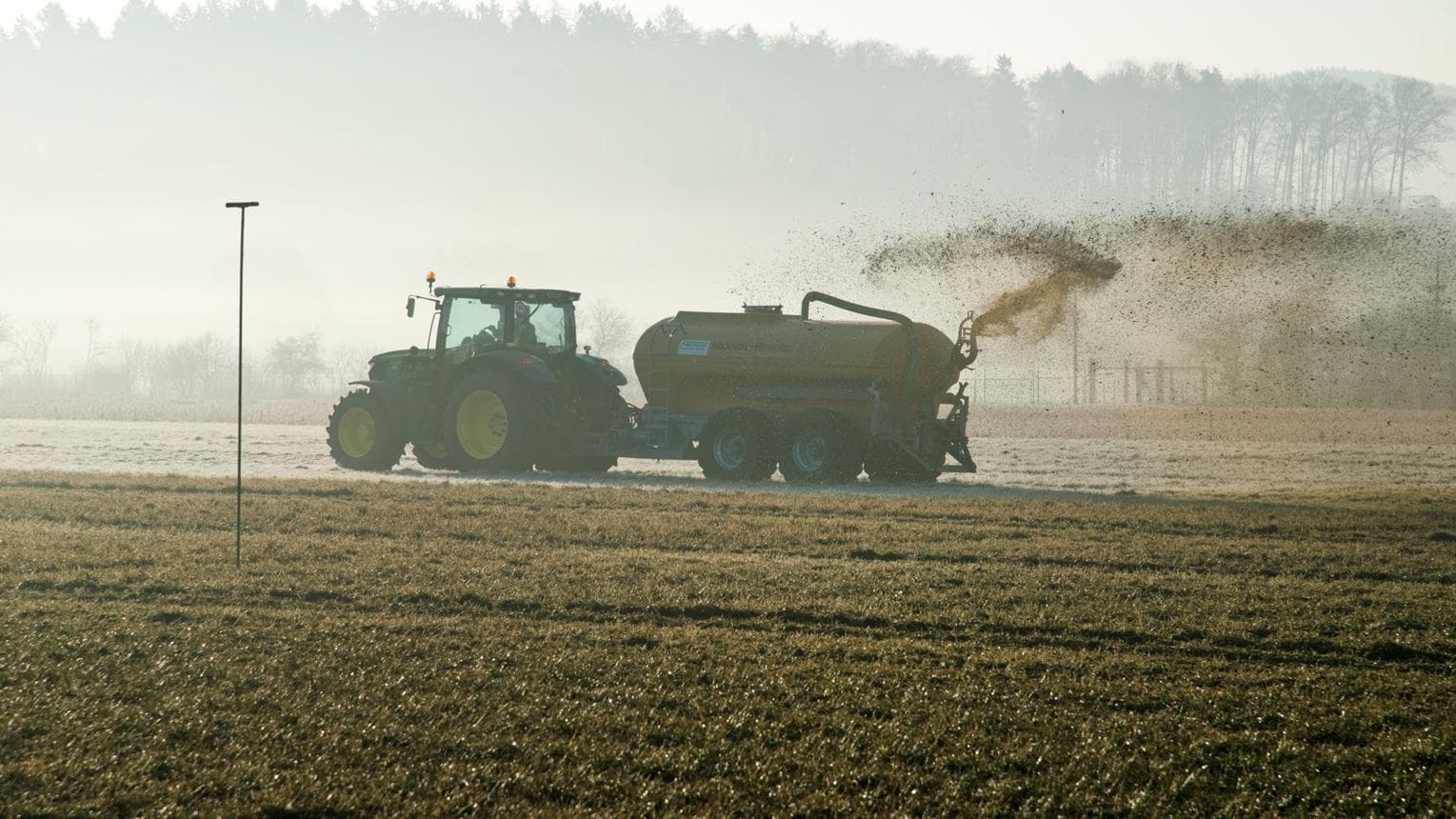
The sources are diffuse and stubbornly woven into modern economic life. Air pollution from coal-fired power generation deposits contaminants far from any smokestack. Agriculture contributes a steady load of nutrients and pesticides that run off fields and seep into groundwater. Industrial and consumer products shed PFAS across their life cycle. None of these has a single valve that can simply be closed, which is precisely why the pollution is so pervasive and so hard to reverse.
The scale of the assessment lends it weight. Drawing on more than 120,000 surface water bodies and a groundwater area measured in millions of square kilometres across the Union and Norway, it ranks among the largest examinations of the health of Europe’s waters ever assembled. That breadth makes the conclusions difficult to dismiss as local anomaly or sampling quirk.
The policy implications press on the Water Framework Directive, the instrument under which these status grades are awarded, and on the broader zero-pollution ambitions the Union has set for itself. Critics, including environmental groups, argue that Europe has been slow to act on water pollution, treating the directive’s targets as aspirations rather than obligations. The chemical-status figures give that critique uncomfortable support.
What the data ultimately frames is a question of inheritance. Persistent pollutants do not respect the political timetables of those who regulate them; a decision deferred is contamination extended. For a Union that has staked much of its identity on environmental leadership, the gap between the rhetoric of clean water and the reality measured in its own rivers is one that the numbers will keep exposing until it closes.