August 9, 2026
LATEST
New EU Gas Market Rules Take Effect With Consumer SafeguardsDeforestation Regulation Holds Its December Deadline Despite CutsDigital Omnibus Delays Europe’s High-Risk AI Deadline to 2027Europe’s Schools Confront a Widening Basic Skills GapRule of Law Report Finds Progress but Trust Still LagsIRIS2 Gains 66 Satellites as Brussels Signs the Rollout DealNature Restoration Plans Come Due as Member States Race a DeadlineECB Rates Hold at 2.25 Percent as Frankfurt Waits on the DataEU Budget Talks Turn to Cohesion as Ireland Takes OverWildfire Response Stretches Europe’s Emergency Fleet ThinCan Europe’s Quantum Plan Match Its Big Ambitions?Armenia Edges West as Moscow’s Grip Slips AwayEurope Inherits the World’s Aid Bill It Cannot Fully PayAir Passenger Rights Get Their First Overhaul in Two DecadesErasmus Opens a 5 Billion Euro Round for Skills and MobilityCeuta Crisis Pushes the EU Toward Faster Migrant ReturnsBulky Parcels Face a Packaging Crackdown From August 12Can Europe Build Its Drone Wall Before 2030 Arrives?Indonesia’s Trade Deal With Europe Nears Its Final SignatureEurope Leans on Beijing to Keep Climate Talks Alive Before AntalyaNew EU Gas Market Rules Take Effect With Consumer SafeguardsDeforestation Regulation Holds Its December Deadline Despite CutsDigital Omnibus Delays Europe’s High-Risk AI Deadline to 2027Europe’s Schools Confront a Widening Basic Skills GapRule of Law Report Finds Progress but Trust Still LagsIRIS2 Gains 66 Satellites as Brussels Signs the Rollout DealNature Restoration Plans Come Due as Member States Race a DeadlineECB Rates Hold at 2.25 Percent as Frankfurt Waits on the DataEU Budget Talks Turn to Cohesion as Ireland Takes OverWildfire Response Stretches Europe’s Emergency Fleet ThinCan Europe’s Quantum Plan Match Its Big Ambitions?Armenia Edges West as Moscow’s Grip Slips AwayEurope Inherits the World’s Aid Bill It Cannot Fully PayAir Passenger Rights Get Their First Overhaul in Two DecadesErasmus Opens a 5 Billion Euro Round for Skills and MobilityCeuta Crisis Pushes the EU Toward Faster Migrant ReturnsBulky Parcels Face a Packaging Crackdown From August 12Can Europe Build Its Drone Wall Before 2030 Arrives?Indonesia’s Trade Deal With Europe Nears Its Final SignatureEurope Leans on Beijing to Keep Climate Talks Alive Before Antalya
August 9, 2026
LATEST
New EU Gas Market Rules Take Effect With Consumer SafeguardsDeforestation Regulation Holds Its December Deadline Despite CutsDigital Omnibus Delays Europe’s High-Risk AI Deadline to 2027Europe’s Schools Confront a Widening Basic Skills GapRule of Law Report Finds Progress but Trust Still LagsIRIS2 Gains 66 Satellites as Brussels Signs the Rollout DealNature Restoration Plans Come Due as Member States Race a DeadlineECB Rates Hold at 2.25 Percent as Frankfurt Waits on the DataEU Budget Talks Turn to Cohesion as Ireland Takes OverWildfire Response Stretches Europe’s Emergency Fleet ThinCan Europe’s Quantum Plan Match Its Big Ambitions?Armenia Edges West as Moscow’s Grip Slips AwayEurope Inherits the World’s Aid Bill It Cannot Fully PayAir Passenger Rights Get Their First Overhaul in Two DecadesErasmus Opens a 5 Billion Euro Round for Skills and MobilityCeuta Crisis Pushes the EU Toward Faster Migrant ReturnsBulky Parcels Face a Packaging Crackdown From August 12Can Europe Build Its Drone Wall Before 2030 Arrives?Indonesia’s Trade Deal With Europe Nears Its Final SignatureEurope Leans on Beijing to Keep Climate Talks Alive Before AntalyaNew EU Gas Market Rules Take Effect With Consumer SafeguardsDeforestation Regulation Holds Its December Deadline Despite CutsDigital Omnibus Delays Europe’s High-Risk AI Deadline to 2027Europe’s Schools Confront a Widening Basic Skills GapRule of Law Report Finds Progress but Trust Still LagsIRIS2 Gains 66 Satellites as Brussels Signs the Rollout DealNature Restoration Plans Come Due as Member States Race a DeadlineECB Rates Hold at 2.25 Percent as Frankfurt Waits on the DataEU Budget Talks Turn to Cohesion as Ireland Takes OverWildfire Response Stretches Europe’s Emergency Fleet ThinCan Europe’s Quantum Plan Match Its Big Ambitions?Armenia Edges West as Moscow’s Grip Slips AwayEurope Inherits the World’s Aid Bill It Cannot Fully PayAir Passenger Rights Get Their First Overhaul in Two DecadesErasmus Opens a 5 Billion Euro Round for Skills and MobilityCeuta Crisis Pushes the EU Toward Faster Migrant ReturnsBulky Parcels Face a Packaging Crackdown From August 12Can Europe Build Its Drone Wall Before 2030 Arrives?Indonesia’s Trade Deal With Europe Nears Its Final SignatureEurope Leans on Beijing to Keep Climate Talks Alive Before Antalya

Fraud Hunters Claw Back Nearly Six Hundred Million Euros

Warsaw: Along the Polish frontier with Belarus, where lorries queue at the Union’s eastern edge, one of the year’s largest fraud cases took shape, and it offers a window into the work the bloc’s anti-fraud office quietly carries out. In its annual report, the European Anti-Fraud Office set out the scale of its activity, recommending the recovery of almost 600 million euros in misused EU money and preventing a further sum from being wrongly spent. The figures are a reminder that the budget Europeans argue over in the abstract is, at the operational level, a target for organised abuse.

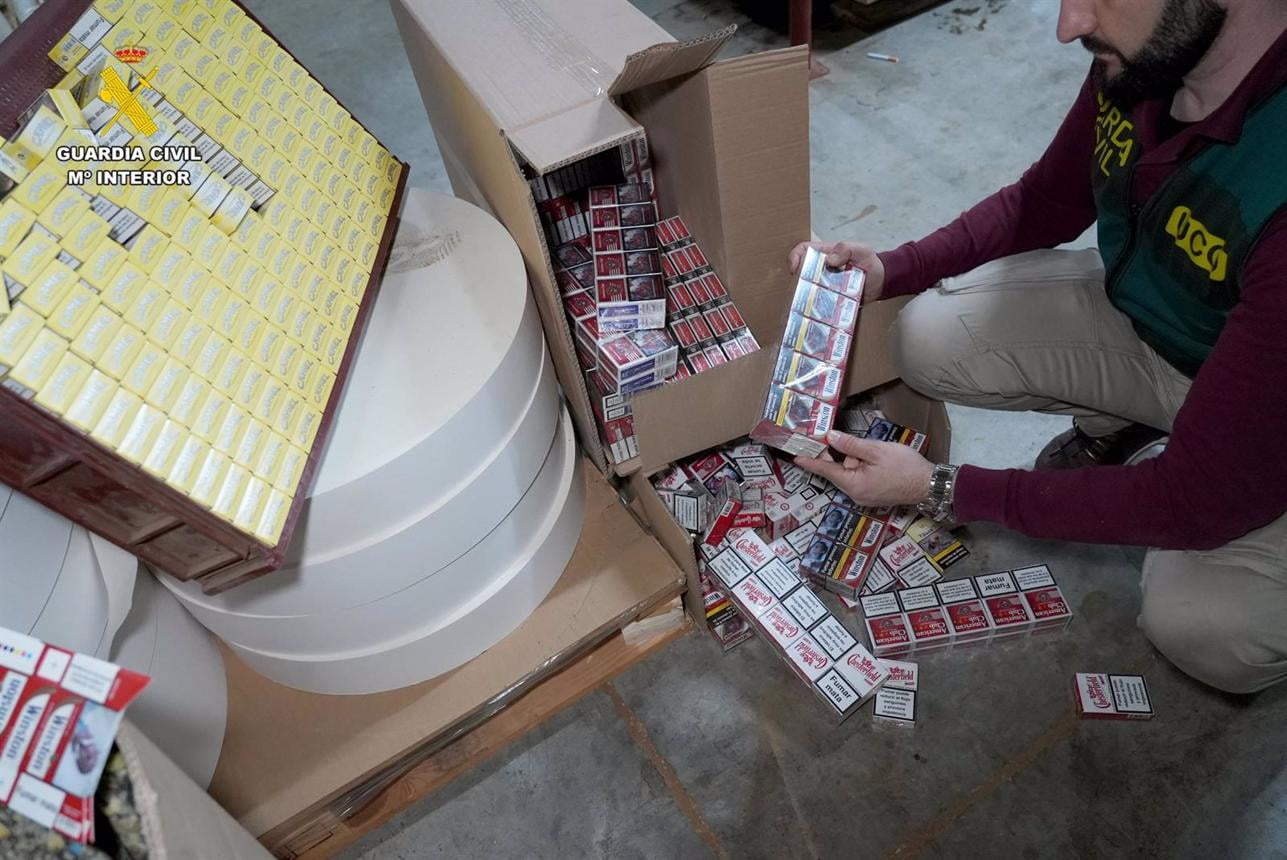
The office closed 209 investigations over the year while opening 254 new ones, spanning complex financial irregularities, cross-border illicit trade, customs violations and environmental fraud. The Polish-Belarusian case illustrates the type. Investigators traced a criminal network importing goods through the eastern border in a scheme that, by the office’s estimate, evaded roughly 118 million euros in customs duties and a further 79 million in value-added tax. The office alerted the European Public Prosecutor’s Office, which opened a criminal case, and the operation led to the detention of nine suspects.

Customs and indirect taxation are perennial weak points because the incentives to cheat are large and the methods are well rehearsed. Undervaluing shipments, misdescribing goods to dodge tariffs, and exploiting gaps between national systems all drain money that should reach the common budget. Investigators describe a constant adaptation, in which a scheme shut down at one border crossing reappears at another, which is why cooperation across jurisdictions and with the new prosecutor’s office has become central to the work rather than incidental to it.

The report also recorded continued attention to the circumvention of sanctions imposed on Russia and Belarus, and support provided to Ukrainian customs and law-enforcement authorities. As the Union channels significant funds toward Ukraine, the integrity of how that money is spent has become a priority, both to protect the budget and to preserve the political consensus that sustains the support. Fraud in that arena is not merely a financial problem but a strategic vulnerability that opponents would be glad to exploit.

Viewed over a longer horizon, the office reports that its investigations have returned some 6.8 billion euros to the EU budget over the past decade and prevented hundreds of millions more from being misspent. Those are meaningful sums, yet the candid assessment is that recovered money represents the fraud that was caught, not the total that was attempted. Each recommendation to recover funds is a recommendation, not a guarantee, and the actual clawback depends on national authorities pursuing it through their own courts and administrations.

The lesson Warsaw’s case underlines is that protecting the budget is slow, technical work that rarely makes headlines until the numbers are totalled at year’s end. For citizens inclined to view the Union’s finances with suspicion, the existence of an office that recovers hundreds of millions and refers organised networks for prosecution is part of the answer. The harder truth is that the schemes keep coming, and the work of staying one step ahead is never finished.