August 9, 2026
LATEST
New EU Gas Market Rules Take Effect With Consumer SafeguardsDeforestation Regulation Holds Its December Deadline Despite CutsDigital Omnibus Delays Europe’s High-Risk AI Deadline to 2027Europe’s Schools Confront a Widening Basic Skills GapRule of Law Report Finds Progress but Trust Still LagsIRIS2 Gains 66 Satellites as Brussels Signs the Rollout DealNature Restoration Plans Come Due as Member States Race a DeadlineECB Rates Hold at 2.25 Percent as Frankfurt Waits on the DataEU Budget Talks Turn to Cohesion as Ireland Takes OverWildfire Response Stretches Europe’s Emergency Fleet ThinCan Europe’s Quantum Plan Match Its Big Ambitions?Armenia Edges West as Moscow’s Grip Slips AwayEurope Inherits the World’s Aid Bill It Cannot Fully PayAir Passenger Rights Get Their First Overhaul in Two DecadesErasmus Opens a 5 Billion Euro Round for Skills and MobilityCeuta Crisis Pushes the EU Toward Faster Migrant ReturnsBulky Parcels Face a Packaging Crackdown From August 12Can Europe Build Its Drone Wall Before 2030 Arrives?Indonesia’s Trade Deal With Europe Nears Its Final SignatureEurope Leans on Beijing to Keep Climate Talks Alive Before AntalyaNew EU Gas Market Rules Take Effect With Consumer SafeguardsDeforestation Regulation Holds Its December Deadline Despite CutsDigital Omnibus Delays Europe’s High-Risk AI Deadline to 2027Europe’s Schools Confront a Widening Basic Skills GapRule of Law Report Finds Progress but Trust Still LagsIRIS2 Gains 66 Satellites as Brussels Signs the Rollout DealNature Restoration Plans Come Due as Member States Race a DeadlineECB Rates Hold at 2.25 Percent as Frankfurt Waits on the DataEU Budget Talks Turn to Cohesion as Ireland Takes OverWildfire Response Stretches Europe’s Emergency Fleet ThinCan Europe’s Quantum Plan Match Its Big Ambitions?Armenia Edges West as Moscow’s Grip Slips AwayEurope Inherits the World’s Aid Bill It Cannot Fully PayAir Passenger Rights Get Their First Overhaul in Two DecadesErasmus Opens a 5 Billion Euro Round for Skills and MobilityCeuta Crisis Pushes the EU Toward Faster Migrant ReturnsBulky Parcels Face a Packaging Crackdown From August 12Can Europe Build Its Drone Wall Before 2030 Arrives?Indonesia’s Trade Deal With Europe Nears Its Final SignatureEurope Leans on Beijing to Keep Climate Talks Alive Before Antalya
August 9, 2026
LATEST
New EU Gas Market Rules Take Effect With Consumer SafeguardsDeforestation Regulation Holds Its December Deadline Despite CutsDigital Omnibus Delays Europe’s High-Risk AI Deadline to 2027Europe’s Schools Confront a Widening Basic Skills GapRule of Law Report Finds Progress but Trust Still LagsIRIS2 Gains 66 Satellites as Brussels Signs the Rollout DealNature Restoration Plans Come Due as Member States Race a DeadlineECB Rates Hold at 2.25 Percent as Frankfurt Waits on the DataEU Budget Talks Turn to Cohesion as Ireland Takes OverWildfire Response Stretches Europe’s Emergency Fleet ThinCan Europe’s Quantum Plan Match Its Big Ambitions?Armenia Edges West as Moscow’s Grip Slips AwayEurope Inherits the World’s Aid Bill It Cannot Fully PayAir Passenger Rights Get Their First Overhaul in Two DecadesErasmus Opens a 5 Billion Euro Round for Skills and MobilityCeuta Crisis Pushes the EU Toward Faster Migrant ReturnsBulky Parcels Face a Packaging Crackdown From August 12Can Europe Build Its Drone Wall Before 2030 Arrives?Indonesia’s Trade Deal With Europe Nears Its Final SignatureEurope Leans on Beijing to Keep Climate Talks Alive Before AntalyaNew EU Gas Market Rules Take Effect With Consumer SafeguardsDeforestation Regulation Holds Its December Deadline Despite CutsDigital Omnibus Delays Europe’s High-Risk AI Deadline to 2027Europe’s Schools Confront a Widening Basic Skills GapRule of Law Report Finds Progress but Trust Still LagsIRIS2 Gains 66 Satellites as Brussels Signs the Rollout DealNature Restoration Plans Come Due as Member States Race a DeadlineECB Rates Hold at 2.25 Percent as Frankfurt Waits on the DataEU Budget Talks Turn to Cohesion as Ireland Takes OverWildfire Response Stretches Europe’s Emergency Fleet ThinCan Europe’s Quantum Plan Match Its Big Ambitions?Armenia Edges West as Moscow’s Grip Slips AwayEurope Inherits the World’s Aid Bill It Cannot Fully PayAir Passenger Rights Get Their First Overhaul in Two DecadesErasmus Opens a 5 Billion Euro Round for Skills and MobilityCeuta Crisis Pushes the EU Toward Faster Migrant ReturnsBulky Parcels Face a Packaging Crackdown From August 12Can Europe Build Its Drone Wall Before 2030 Arrives?Indonesia’s Trade Deal With Europe Nears Its Final SignatureEurope Leans on Beijing to Keep Climate Talks Alive Before Antalya

Fraud Hunters Flag Nearly 600 Million Euros in Misused Funds

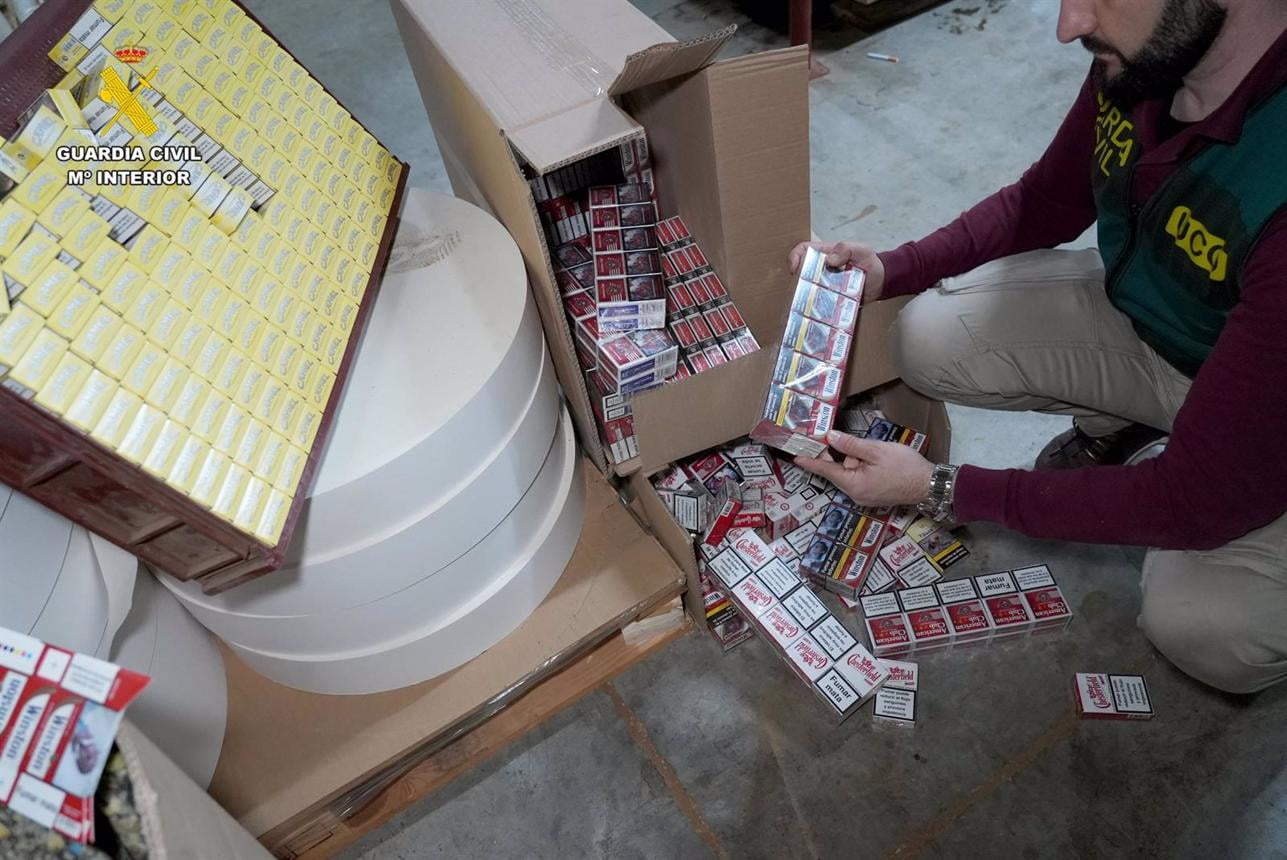
Debrecen: In the agricultural districts of eastern Hungary, where rural development grants are meant to modernise farms and revive villages, investigators uncovered money flowing somewhere other than the fields it was promised to. The case is one of hundreds that sit behind a single sobering figure released this spring by the bloc’s anti-fraud office.

The European Anti-Fraud Office, known by its French acronym OLAF, recommended the recovery of almost 600 million euros in misused funds in its latest annual report, published in April. The office said its work also prevented some 18 million euros from being improperly spent before the money left the bloc’s accounts, a reminder that catching fraud after the fact is only part of the job.

The numbers describe a busy year. OLAF closed 209 investigations and opened 254 new ones, keeping its caseload tilted toward the complex and sensitive, including matters involving senior officials whose conduct could damage the wider reputation of the institutions. Over the past decade, the office calculates, its recommendations have helped retrieve or protect roughly 6.8 billion euros, a running total that lends weight to an agency often invisible to the citizens whose money it guards.

The cases themselves range widely. Beyond the misuse of rural funds, OLAF this year coordinated an international investigation into the suspected circumvention of sanctions involving hundreds of transport vehicles, the kind of cross-border scheme that no single national authority could easily unpick. The pattern points to a recurring vulnerability: wherever large sums move across borders under shared rules, some will try to divert them.

This year’s report introduces a change in approach. Alongside its findings, the office now issues recommended actions for the bodies that manage and spend EU money, aiming to turn each investigation into a lesson that hardens systems rather than merely a penalty after the loss. The shift reflects a long-standing criticism that detection, however impressive, does little if the same weaknesses are exploited again the following year.

The stakes are about more than accounting. The bloc has taken on unprecedented joint borrowing to finance its recovery and investment programmes, pushing vast sums through national agencies and private contractors. Every euro lost to fraud erodes public trust in that machinery and hands ammunition to those who argue the institutions cannot be trusted with common money. Defenders of the model respond that robust detection is precisely what makes shared spending defensible.

OLAF’s reach has limits. It can investigate and recommend, but recovery depends on national authorities and courts, and the gap between a recommendation and a repaid euro can be wide and slow. The newer European Public Prosecutor’s Office, which can bring criminal charges directly, has begun to close part of that gap. Together they form a thickening web of oversight around the bloc’s budget, built on the unglamorous premise that money entrusted in common must be watched in common, year after year, case after case.