August 9, 2026
LATEST
New EU Gas Market Rules Take Effect With Consumer SafeguardsDeforestation Regulation Holds Its December Deadline Despite CutsDigital Omnibus Delays Europe’s High-Risk AI Deadline to 2027Europe’s Schools Confront a Widening Basic Skills GapRule of Law Report Finds Progress but Trust Still LagsIRIS2 Gains 66 Satellites as Brussels Signs the Rollout DealNature Restoration Plans Come Due as Member States Race a DeadlineECB Rates Hold at 2.25 Percent as Frankfurt Waits on the DataEU Budget Talks Turn to Cohesion as Ireland Takes OverWildfire Response Stretches Europe’s Emergency Fleet ThinCan Europe’s Quantum Plan Match Its Big Ambitions?Armenia Edges West as Moscow’s Grip Slips AwayEurope Inherits the World’s Aid Bill It Cannot Fully PayAir Passenger Rights Get Their First Overhaul in Two DecadesErasmus Opens a 5 Billion Euro Round for Skills and MobilityCeuta Crisis Pushes the EU Toward Faster Migrant ReturnsBulky Parcels Face a Packaging Crackdown From August 12Can Europe Build Its Drone Wall Before 2030 Arrives?Indonesia’s Trade Deal With Europe Nears Its Final SignatureEurope Leans on Beijing to Keep Climate Talks Alive Before AntalyaNew EU Gas Market Rules Take Effect With Consumer SafeguardsDeforestation Regulation Holds Its December Deadline Despite CutsDigital Omnibus Delays Europe’s High-Risk AI Deadline to 2027Europe’s Schools Confront a Widening Basic Skills GapRule of Law Report Finds Progress but Trust Still LagsIRIS2 Gains 66 Satellites as Brussels Signs the Rollout DealNature Restoration Plans Come Due as Member States Race a DeadlineECB Rates Hold at 2.25 Percent as Frankfurt Waits on the DataEU Budget Talks Turn to Cohesion as Ireland Takes OverWildfire Response Stretches Europe’s Emergency Fleet ThinCan Europe’s Quantum Plan Match Its Big Ambitions?Armenia Edges West as Moscow’s Grip Slips AwayEurope Inherits the World’s Aid Bill It Cannot Fully PayAir Passenger Rights Get Their First Overhaul in Two DecadesErasmus Opens a 5 Billion Euro Round for Skills and MobilityCeuta Crisis Pushes the EU Toward Faster Migrant ReturnsBulky Parcels Face a Packaging Crackdown From August 12Can Europe Build Its Drone Wall Before 2030 Arrives?Indonesia’s Trade Deal With Europe Nears Its Final SignatureEurope Leans on Beijing to Keep Climate Talks Alive Before Antalya
August 9, 2026
LATEST
New EU Gas Market Rules Take Effect With Consumer SafeguardsDeforestation Regulation Holds Its December Deadline Despite CutsDigital Omnibus Delays Europe’s High-Risk AI Deadline to 2027Europe’s Schools Confront a Widening Basic Skills GapRule of Law Report Finds Progress but Trust Still LagsIRIS2 Gains 66 Satellites as Brussels Signs the Rollout DealNature Restoration Plans Come Due as Member States Race a DeadlineECB Rates Hold at 2.25 Percent as Frankfurt Waits on the DataEU Budget Talks Turn to Cohesion as Ireland Takes OverWildfire Response Stretches Europe’s Emergency Fleet ThinCan Europe’s Quantum Plan Match Its Big Ambitions?Armenia Edges West as Moscow’s Grip Slips AwayEurope Inherits the World’s Aid Bill It Cannot Fully PayAir Passenger Rights Get Their First Overhaul in Two DecadesErasmus Opens a 5 Billion Euro Round for Skills and MobilityCeuta Crisis Pushes the EU Toward Faster Migrant ReturnsBulky Parcels Face a Packaging Crackdown From August 12Can Europe Build Its Drone Wall Before 2030 Arrives?Indonesia’s Trade Deal With Europe Nears Its Final SignatureEurope Leans on Beijing to Keep Climate Talks Alive Before AntalyaNew EU Gas Market Rules Take Effect With Consumer SafeguardsDeforestation Regulation Holds Its December Deadline Despite CutsDigital Omnibus Delays Europe’s High-Risk AI Deadline to 2027Europe’s Schools Confront a Widening Basic Skills GapRule of Law Report Finds Progress but Trust Still LagsIRIS2 Gains 66 Satellites as Brussels Signs the Rollout DealNature Restoration Plans Come Due as Member States Race a DeadlineECB Rates Hold at 2.25 Percent as Frankfurt Waits on the DataEU Budget Talks Turn to Cohesion as Ireland Takes OverWildfire Response Stretches Europe’s Emergency Fleet ThinCan Europe’s Quantum Plan Match Its Big Ambitions?Armenia Edges West as Moscow’s Grip Slips AwayEurope Inherits the World’s Aid Bill It Cannot Fully PayAir Passenger Rights Get Their First Overhaul in Two DecadesErasmus Opens a 5 Billion Euro Round for Skills and MobilityCeuta Crisis Pushes the EU Toward Faster Migrant ReturnsBulky Parcels Face a Packaging Crackdown From August 12Can Europe Build Its Drone Wall Before 2030 Arrives?Indonesia’s Trade Deal With Europe Nears Its Final SignatureEurope Leans on Beijing to Keep Climate Talks Alive Before Antalya

How a Tip on Fake Truck Parts Cracked a Smuggling Network

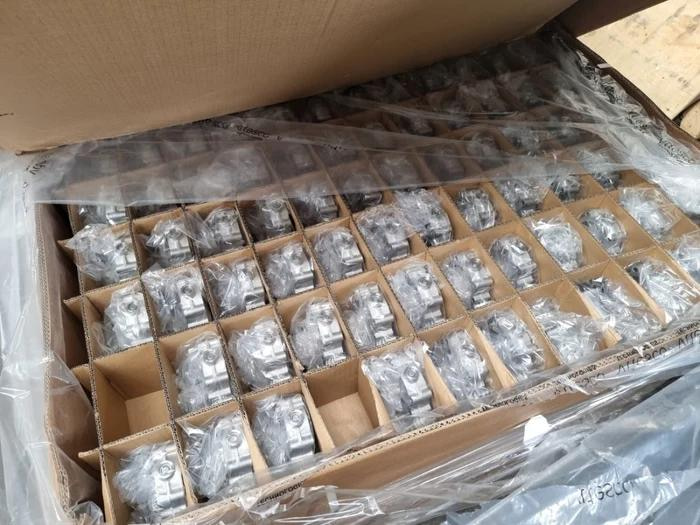
Lisbon: A single piece of intelligence passed from the European Union’s anti-fraud office to Portuguese investigators has unravelled a trade in counterfeit vehicle parts, a reminder that fraud against the Union’s interests often hides in the mundane machinery of everyday commerce. Acting on information supplied by the European Anti-Fraud Office, Portugal’s Food and Economic Security Authority carried out a series of checks that uncovered 14,629 counterfeit items worth more than 600,000 euros, many of them parts destined for trucks. The seizure is modest in monetary terms, but the safety implications of fake components on heavy vehicles give it a weight the price tag does not capture.

The case is a small entry in a much larger ledger. In its annual report published earlier in 2026, the anti-fraud office recommended the recovery of almost 600 million euros of misused EU money and said its work had prevented a further 18 million from being wrongly spent, off the back of 254 new investigations opened during the year. The office does not prosecute; it investigates, gathers evidence and hands its findings to national authorities and, where crimes touch the Union’s budget, to the European Public Prosecutor’s Office. The Portuguese operation shows that chain functioning as intended, with a tip translating into boots-on-the-ground enforcement.

Counterfeiting of this kind sits at the intersection of several harms. It cheats legitimate manufacturers, deprives public treasuries of duties and taxes, and, in the case of vehicle parts, endangers anyone who shares the road with a truck fitted with a brake component or a structural part that was never tested to any real standard. Investigators have long warned that counterfeit goods are rarely a victimless indulgence, and that the same smuggling routes that move fake handbags also move fake safety-critical hardware. A brake pad that fails or a coupling that shears carries consequences no forged logo can convey.

The broader pattern the office has traced this year runs through customs procedures and cross-border logistics. A separate and far larger investigation earlier in the year exposed a scheme that evaded an estimated 118 million euros in customs duties and 79 million in value-added tax by abusing transit arrangements, leading to detentions after the case was passed to the European prosecutor. The common thread is the exploitation of the seams between national jurisdictions, the points where goods change hands, cross borders and slip between the responsibilities of one authority and the next.

What the Portuguese seizure illustrates is how the Union tries to sew those seams shut. The anti-fraud office cannot be everywhere, and its budget and headcount are dwarfed by the flows of trade it polices, so its method depends on turning intelligence into targeted action by the national bodies that hold the enforcement powers. Fourteen thousand fake parts pulled from circulation will not, on their own, dent a global counterfeiting industry. But each such case tests and strengthens the machinery of cooperation that the Union relies on, and reminds the networks that move these goods that the routes they favour are being watched.