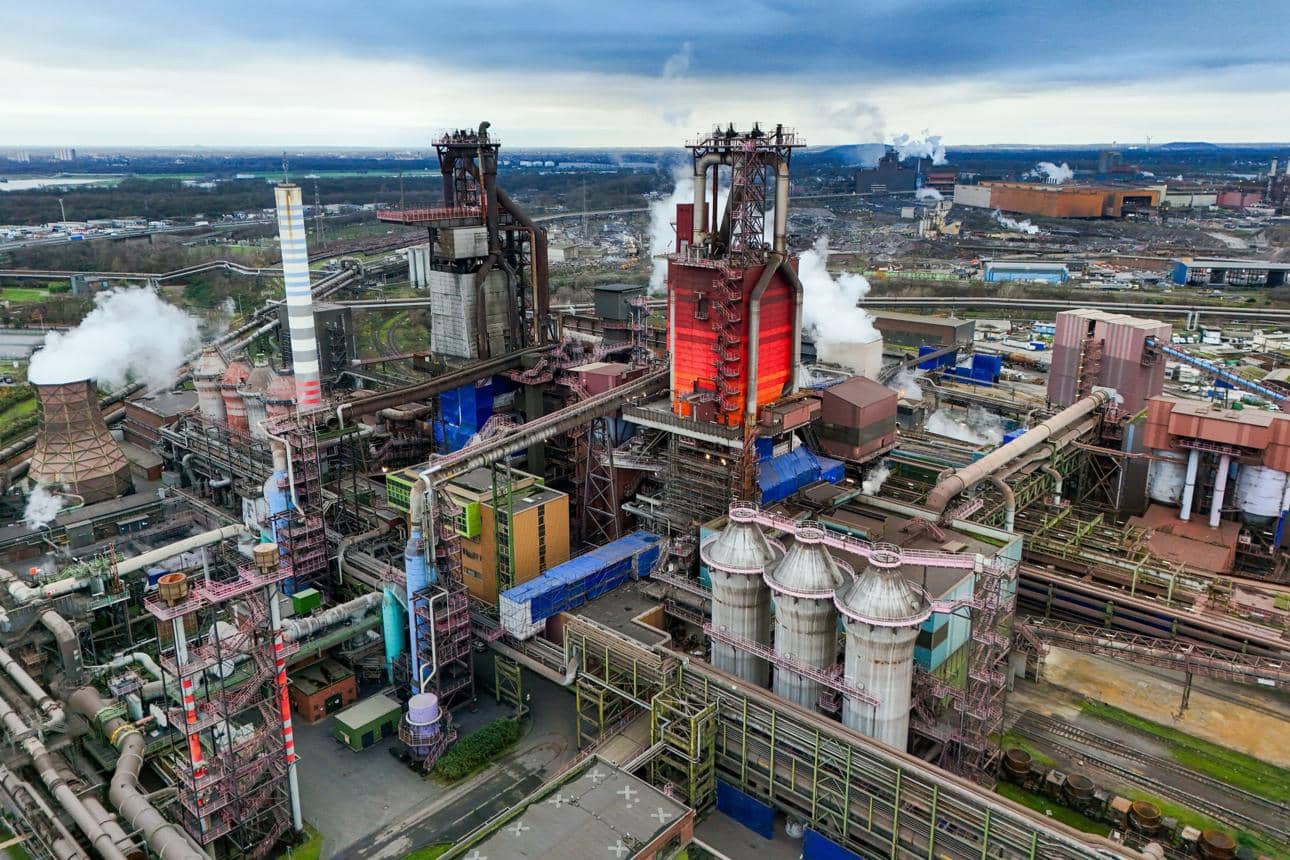
Linz: The European Union’s carbon border charge has shed its training wheels. Since the first of January the Carbon Border Adjustment Mechanism has operated in its definitive phase, which means importers of carbon-heavy goods are no longer merely filing reports but face genuine certificate obligations tied to the emissions embedded in what they bring across the bloc’s frontier. For the steelmakers, cement producers and fertiliser traders who have spent two years in the softer transitional regime, the accounting has turned real.
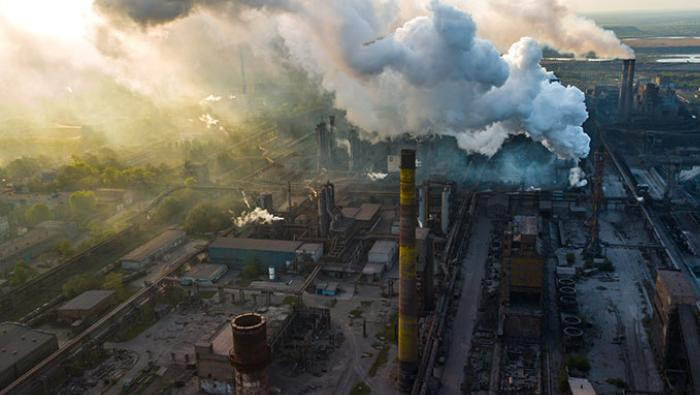
The mechanism covers a defined band of products judged both carbon-intensive and most exposed to so-called leakage, the risk that production simply migrates to countries with looser climate rules. That list runs across cement, iron and steel, aluminium, fertilisers, electricity and hydrogen. The logic is to put imported goods on the same carbon footing as European output already priced under the bloc’s emissions trading system, so that domestic decarbonisation is not undercut by cheaper, dirtier imports.
May brought two markers of how fast the framework is hardening. On the thirteenth the Commission published an implementing act and opened a four-week consultation that runs until the tenth of June, inviting affected businesses to comment before the rules lock in. Days earlier the tax and customs directorate had run a webinar aimed squarely at exporters in third countries, walking them through a methodology that many suppliers outside the bloc are still scrambling to understand. The Commission has also now published the first certificate price for the opening quarter of the year, giving importers an early read on what their obligations will cost.
The genuinely sharp deadline, though, sits further out. The first surrender of certificates, covering emissions from goods imported during 2026, must be completed by the end of September 2027. That timing gives companies a long runway to assemble emissions data from their suppliers, but it also disguises how much groundwork has to happen now. Verified emissions figures cannot be conjured retroactively, and importers who fail to gather them through the year will arrive at the surrender date holding estimates the authorities may not accept.
That data problem is where much of the friction lives. A European importer is only as compliant as the information its overseas suppliers are willing and able to provide, and many producers in exporting nations have never measured the embedded carbon in a tonne of steel or a bag of fertiliser to the standard the mechanism demands. The webinars and guidance reflect an awareness in the Commission that the scheme cannot function if the supply chains feeding it remain in the dark.
Trading partners continue to watch with unease, framing the charge as a unilateral tax dressed in climate language and warning of strain on exporters in developing economies. The Commission counters that the design mirrors a carbon cost European firms already pay at home and is therefore a question of fairness rather than protectionism. Both readings will harden as real money changes hands.
For importers the immediate task is unglamorous but unavoidable. They need supplier emissions data, internal systems to track it, and a budget line for certificates whose price will move with the carbon market. The definitive phase has only just begun, yet the choices that determine the size of the 2027 bill are being made across loading docks and procurement offices right now.