Ljubljana: Inflation in the euro area is easing again, offering households a measure of relief after years of stretched budgets. According to Eurostat’s flash estimate, annual inflation across the single-currency bloc slowed to 2.8 percent in June, down from 3.2 percent a month earlier and back within touching distance of the European Central Bank’s two percent goal.
The retreat in inflation owes much to energy. Prices for fuel and power still ran higher than a year ago, but the annual rate of increase cooled sharply, easing the pressure that had rippled through the rest of the economy. Services inflation also softened, while food, alcohol and tobacco climbed more slowly than in the spring.
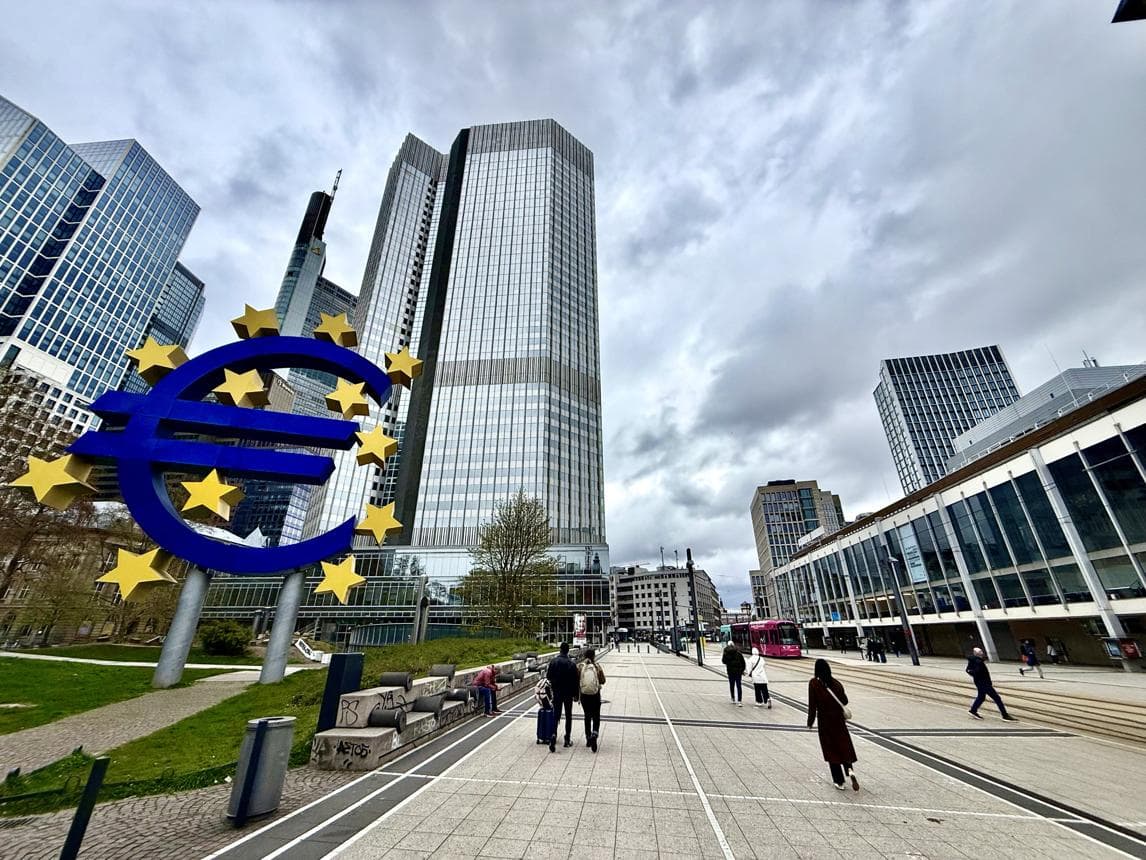
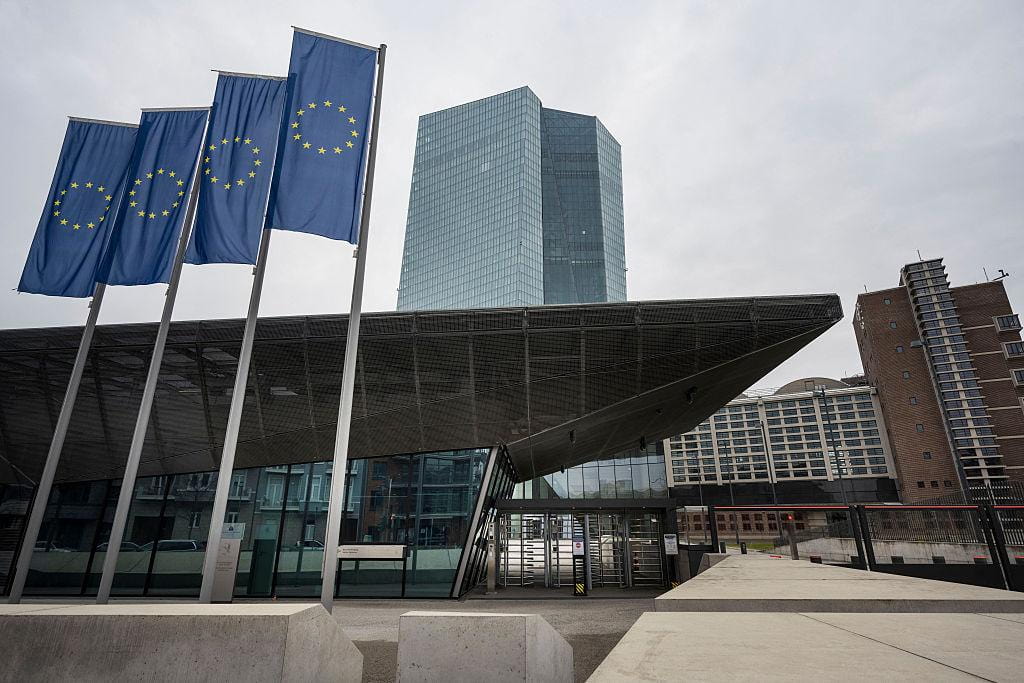
The numbers matter well beyond the statisticians who compile them. The central bank in Frankfurt watches the monthly releases closely, and a figure drifting back toward target strengthens the case for holding interest rates steady rather than squeezing borrowers further. For families, a slower rise in prices means wages stretch a little further at the till.
The picture is not uniform. Inflation varies widely between member states, with some economies still running hot while others hover near zero, a spread that complicates a monetary policy meant to fit twenty very different countries. Eurostat cautioned that the flash reading is provisional, with the full breakdown due later in the month.
Services remain the stubborn corner of the data. Wages have risen as workers sought to recover lost purchasing power, and those higher labour costs feed into everything from restaurant bills to insurance premiums. Central bankers tend to fixate on this so-called core inflation precisely because it moves slowly and signals whether price pressure has truly faded or merely paused.
Economists caution against declaring victory. Energy markets stay hostage to geopolitics, and a fresh supply shock could reverse the gains within months. Trade tensions and shifting tariffs add another layer of uncertainty to the outlook, capable of nudging import prices in either direction.
For now, though, the trend points the right way. A print of 2.8 percent would have looked like a triumph at the height of the cost-of-living crisis, when inflation ran in double digits across parts of the bloc. From Ljubljana to Dublin, the slow normalisation of prices is quietly reshaping the mood, even if the era of cheap money shows no sign of returning. Policymakers will study the coming months of data closely before deciding whether the disinflation has genuinely taken root.