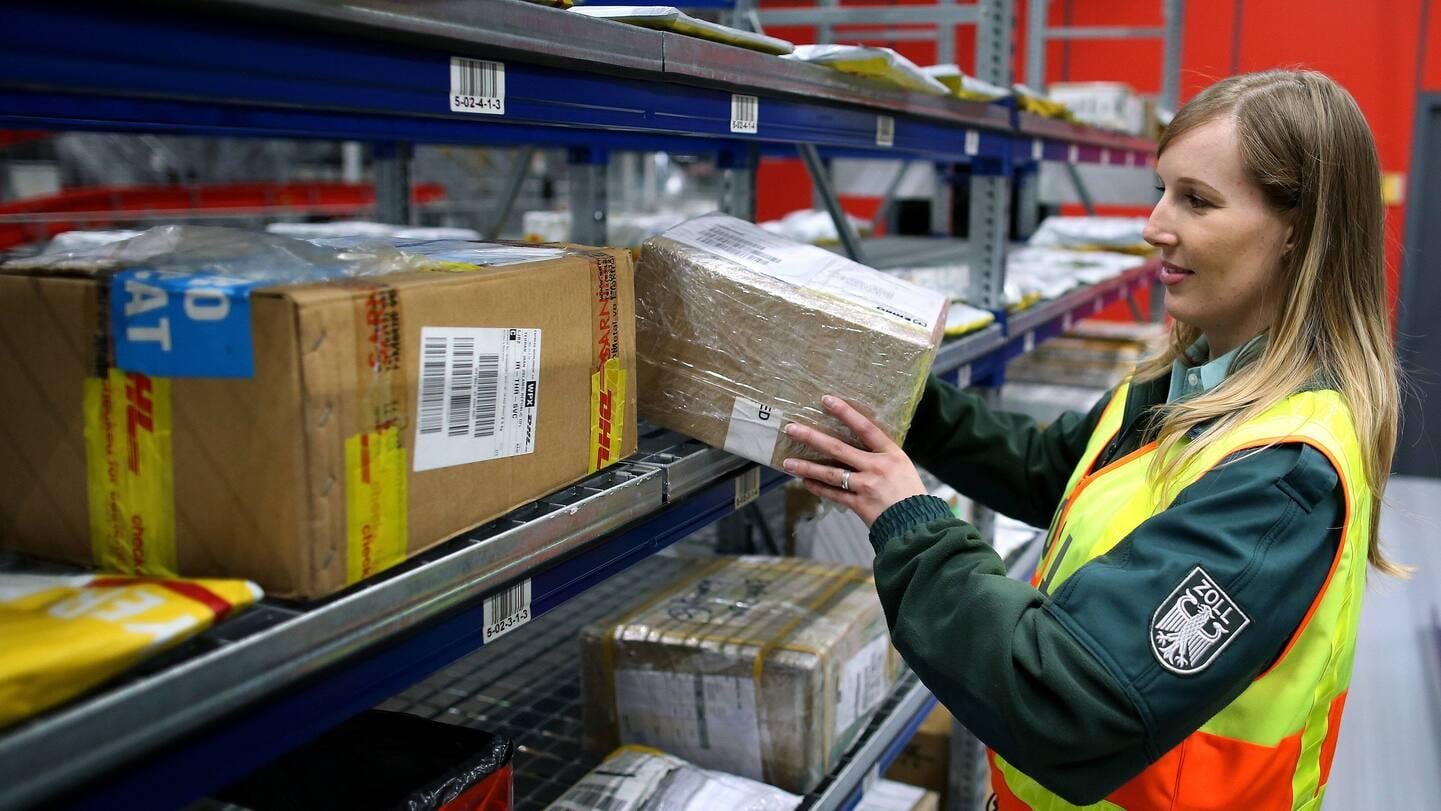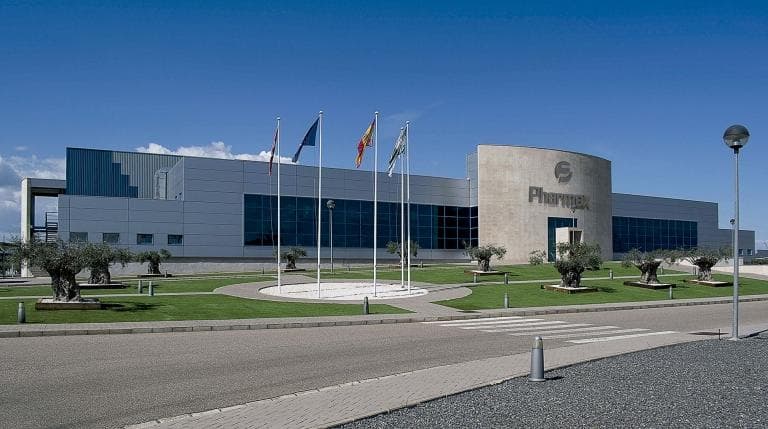
Cork: In the manufacturing parks that ring this Irish port city, the active ingredients for some of Europe’s most common medicines are blended, dried and shipped across the continent. The work is invisible until it stops. Over the past three winters, pharmacists from Lisbon to Helsinki have rationed antibiotics, parents have driven between towns to find children’s painkillers, and hospitals have rewritten treatment plans around drugs that simply were not on the shelf. The European Union has now agreed a law designed to make those scenes less frequent.
On 12 May, negotiators for the Council and the European Parliament struck a provisional deal on the Critical Medicines Act, the bloc’s most ambitious attempt yet to treat the supply of essential drugs as a strategic question rather than a purely commercial one. The European Medicines Agency welcomed the agreement within days, and the text now awaits formal endorsement and legal-linguistic revision before it enters the statute book. It is a separate instrument from the broader overhaul of the bloc’s pharmaceutical rules, and its logic is different: where that package focuses on how medicines are authorised and marketed, this one is about whether they reach patients at all.
The Act rests on a simple diagnosis. Europe has allowed the production of many older, off-patent medicines to drift toward a handful of factories, often outside the bloc, because razor-thin margins drove manufacturers to consolidate. When a single plant falters, an entire category of treatment can vanish from the market for months. The legislation tries to reverse that concentration on three fronts. It encourages member states to diversify where they source critical medicines and their raw ingredients, it makes joint cross-border procurement easier so that smaller countries are not left bidding alone, and it offers incentives to rebuild manufacturing capacity for both finished drugs and the active substances behind them on European soil.
Underpinning the effort is a growing body of technical work. The EMA maintains a Union list of critical medicines, now in its second iteration, that identifies the products whose disruption would do the most harm. Late last year, the agency’s shortages steering group adopted a methodology to probe where the supply chains for those medicines are most exposed, the kind of granular mapping that allows regulators to act before a gap becomes a crisis. The Act is meant to convert that intelligence into procurement rules and industrial incentives rather than leaving it to sit in reports.
Whether the law delivers will depend on money and follow-through. Reshoring the production of cheap generics is expensive, and nothing in the agreement forces a manufacturer to open a plant it considers unprofitable. Critics inside the industry warn that without sustained public co-investment or higher reimbursement for European-made essentials, the incentives may prove too weak to shift commercial behaviour. Some health campaigners counter that the bigger risk is timidity, arguing that the bloc should be willing to guarantee volumes for strategic medicines the way it now does for defence equipment.
For now, the political signal matters. By naming antibiotics, insulin and painkillers as objects of strategic policy, the Union has conceded that the market alone failed to keep them flowing. The next test comes when the first joint tenders are written and the first incentives are costed. The factories around Cork, and dozens like them, will be watching to see whether Europe is prepared to pay for the resilience it has just promised.